

Nepal floods 2026 travel safety has become a pressing question for anyone with an upcoming trip, following the devastating flash floods that struck on August 26, 2026. Triggered by a glacier and bedrock collapse near the Nepal-Tibet border, the disaster sent a wall of water down the Bhote Koshi and Trishuli river systems, tearing through communities in Rasuwa, Nuwakot, and Dhading districts in northern Nepal. Hundreds of lives have been lost, and search-and-rescue operations are still ongoing. Naturally, this has raised serious concerns among international travelers with trips planned to Nepal. But it's important to understand that Nepal is a large and geographically diverse country travel conditions vary sharply by region, and visitors need to check current, location-specific advisories rather than assuming the entire country is affected.
What Happened in Nepal During the 2026 Floods?
When Did the Nepal Floods 2026 Happen?
The disaster struck on the morning of August 26, 2026, in the mountainous Nepal-Tibet border region. What began as a localized slope failure turned into a sudden flash flood, with water levels in the Trishuli River rising by as much as 9 metres (30 feet) in just 30 minutes. Communities downstream had almost no warning before the water arrived.
What Caused the 2026 Nepal Floods?
This wasn't an ordinary monsoon flood. Investigators from the USGS found that a rapid slope failure involving a glacier in Langtang National Park likely triggered a catastrophic debris flow that traveled nearly 100 km. A later satellite analysis went further, indicating the disaster resulted from a combined bedrock-and-glacier collapse rather than a purely glacial event, with a section of mountainside giving way and carrying rock, ice, and debris into the river system below.
How Severe Was the Damage?
The human toll has been staggering and is still being confirmed. As of the most recent government update, 538 bodies had been recovered, with hundreds more people from 33 countries still unaccounted for. Beyond the loss of life, the flood caused widespread displacement and extensive damage to houses, roads, bridges, and hydropower facilities. On the tourism side specifically, the Nepal Tourism Board placed 384 travelers 291 foreign nationals and 93 Nepalis on a preliminary list of people whose whereabouts were still being verified in the days immediately after the flood.
Which Areas of Nepal Were Most Affected by the Floods?
This is the single most important thing to understand before deciding anything about your trip: the disaster hit a specific, fairly narrow river corridor not the country as a whole.
Rasuwa took the brunt of the disaster. The flood entered Nepal here, and Timure and Syabru Besi were among the settlements hit hardest, with the area's border-area infrastructure, hydropower stations, and pilgrimage/trekking access routes all sustaining damage.
Nuwakot and Dhading were next in line as the floodwater moved downstream. Flooding reached parts of these two districts as the surge continued south along the Trishuli.
Gorkha, while near the general region, sits on a separate river drainage and was not part of the main disaster corridor though the district does deal with its own monsoon-season road risks independently of this event.
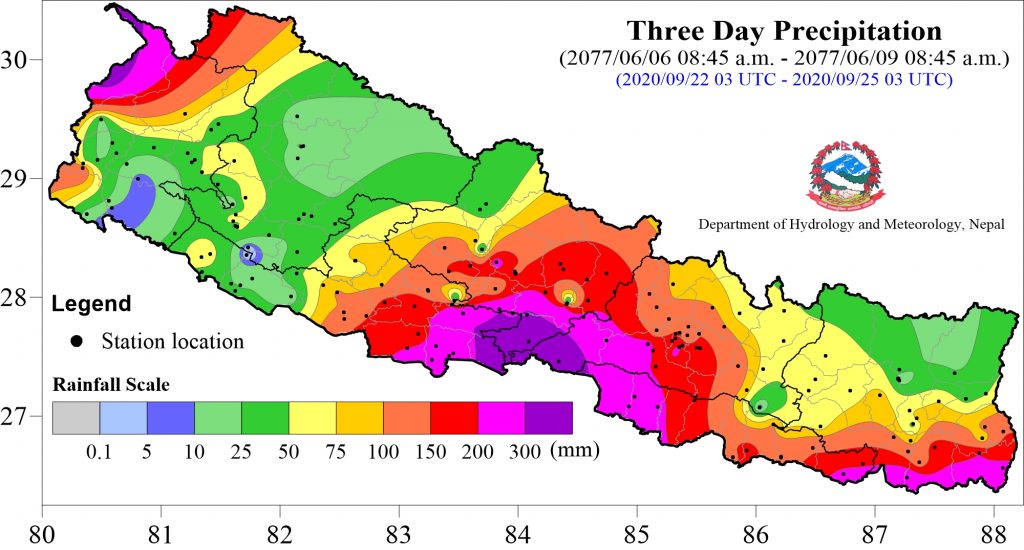 Nepal floods 2026 travel safety
Displacement has been severe along the river itself. In Rasuwa, one resettled community that had rebuilt after the 2015 earthquake was hit particularly hard: an entire community of 250 households along the Trishuli's low banks was swept away. Overall, more than 10,000 households along the Trishuli corridor now need emergency shelter and relief supplies.
Is It Safe to Travel to Nepal After the 2026 Floods?
The honest, balanced answer: it depends entirely on where in Nepal you're going. Nepal as a whole should not be treated as a no-go destination most of the country, including its biggest tourist draws, is functioning normally. At the same time, the areas along the Bhote Koshi and Trishuli corridors have experienced catastrophic damage and remain genuinely dangerous, with ongoing flood risk from an upstream barrier lake that formed after the initial collapse.
Conditions can also shift quickly. Additional rainfall, aftershock landslides, or the barrier lake overflowing again could change the picture with little notice. The safest approach is to check destination-specific, current conditions rather than relying on blanket statements about "Nepal" including the ones in this article, which reflect the situation as of the date above.
Is Kathmandu Safe for Tourists After the Floods?
Yes, with the normal caveats. Kathmandu Valley its tourist areas, hotels, restaurants, and the international airport is operating normally and has not been physically affected by the flood itself. The main disruptions tourists in Kathmandu might notice are indirect: some transport routes heading north or west toward the affected districts are restricted, and monsoon-season rain can still cause localized delays. It's not accurate to call Kathmandu "100% safe" in an absolute sense (no city is), but there's no flood-specific reason to avoid it. Keep monitoring official updates, since the situation in nearby districts is still developing.
Is Pokhara Safe to Visit After the Nepal Floods?
Pokhara sits well outside the disaster corridor and has not been affected by the Bhote Koshi/Trishuli flooding. The main practical issue has been road access: a stretch of the Prithvi Highway connecting Kathmandu and Pokhara was closed due to flood debris, though it was expected to reopen within roughly 24 hours. Standard monsoon-season landslide risk still applies to mountain roads generally, so it's worth checking transportation status before you set out, but there's no reason tied to this flood to cancel a Pokhara trip.
Is It Safe to Trek in Nepal After the 2026 Floods?
This is where most of the traveler anxiety is concentrated, and it's also where the good news is clearest.
Are Trekking Routes Open?
Almost all of Nepal's major trekking regions are open and running normally. Multiple on-the-ground trekking operators and safety updates confirm that the flood affected a fairly small, specific part of Nepal's trekking map mainly routes passing through Rasuwa and nearby road corridors, while the rest of the country's major routes remain unaffected.
Are Everest Trekking Routes Affected?
No. The Everest region drains into the Dudh Koshi river system, which has no connection to the flood-affected Bhote Koshi corridor. Lukla flights and the EBC trail are operating as normal.
Is Annapurna Trekking Safe After the Floods?
Yes. The Annapurna region drains into the Marsyangdi and Kali Gandaki rivers, entirely separate from the flood zone. Reports confirm the Annapurna Base Camp trail, the Nayapul-Ghandruk approach, and the Annapurna Circuit are all running as booked.
The one region that does need real caution is Langtang. Its access route runs through Syabrubesi in Rasuwa district, right at the edge of the disaster zone. While the trail itself, which climbs a separate valley east from Syabrubesi, was not physically destroyed, the gateway town is still rebuilding, and reduced lodge capacity and delays should be expected for some weeks. Some operators note that trekkers can enter the Langtang region via Dhunche instead of Syabrubesi as an alternative approach, but this should be confirmed with your guide or agency before relying on it.
What Should Trekkers Check Before Starting?
- Current trail and bridge conditions for your specific route
- Weather forecast and any active landslide warnings
- Road access to your trailhead
- Flight status if your route starts with a mountain flight (e.g., Lukla)
- Accommodation/lodge availability along the route
- Direct confirmation from your local guide or trekking agency
Are Nepal's Roads Safe After the 2026 Floods?
How Have the Floods Affected Nepal's Roads?
Road damage has been concentrated in the same disaster corridor. Reports note that roughly 10 km of the Galchhi–Trishuli road remained blocked, while about 13 km of the Prithvi Highway was covered by mud and debris in the days following the flood. The flood also severed a major cross-border link: the flood cut the only overland route linking Kathmandu to Tibet, disrupting trade and transport through the Rasuwagadhi crossing.
Should Tourists Travel by Road During the Recovery Period?
If your route passes anywhere near Rasuwa, Nuwakot, or Dhading, check current road status before departure don't assume a road is passable just because it was open last month. For travel elsewhere in the country, normal monsoon-season precautions apply: avoid flooded roads, build in extra travel time, and follow instructions from local authorities and your driver or guide.
What Are the Biggest Travel Risks After the Nepal Floods?
- Flash floods — the primary hazard in the Bhote Koshi/Trishuli corridor, especially with an unstable upstream barrier lake still being monitored
- Landslides — a standard late-monsoon risk across mountain Nepal, independent of this specific flood
- Damaged bridges — several river crossings in the affected districts are down or compromised
- Road closures — both temporary (debris, repairs) and longer-term in the hardest-hit areas
- Unstable mountain slopes — near the disaster zone specifically
- Rising river levels — ongoing concern downstream of the barrier lake
- Flight and transportation delays — mostly weather-related and not unique to this event
- Limited access to remote areas — primarily affecting Rasuwa and the Langtang gateway
How Can Tourists Stay Safe in Nepal After the 2026 Floods?
- Check official travel advisories from your home government before departure
- Monitor Nepal-specific weather and flood warnings throughout your trip
- Avoid known flood-affected areas (Rasuwa, the Bhote Koshi/Trishuli corridor) unless authorities confirm safe access
- Never walk or drive through floodwater, even if it looks shallow
- Check road conditions before any mountain travel
- Keep your itinerary flexible rather than locking in fixed dates for affected regions
- Use registered, government-authorized trekking and travel agencies
- Keep travel insurance documents accessible at all times
- Carry essential medicines and basic emergency supplies
- Share your itinerary with someone you trust
- Follow instructions from local authorities without delay
- Keep emergency contact numbers on hand
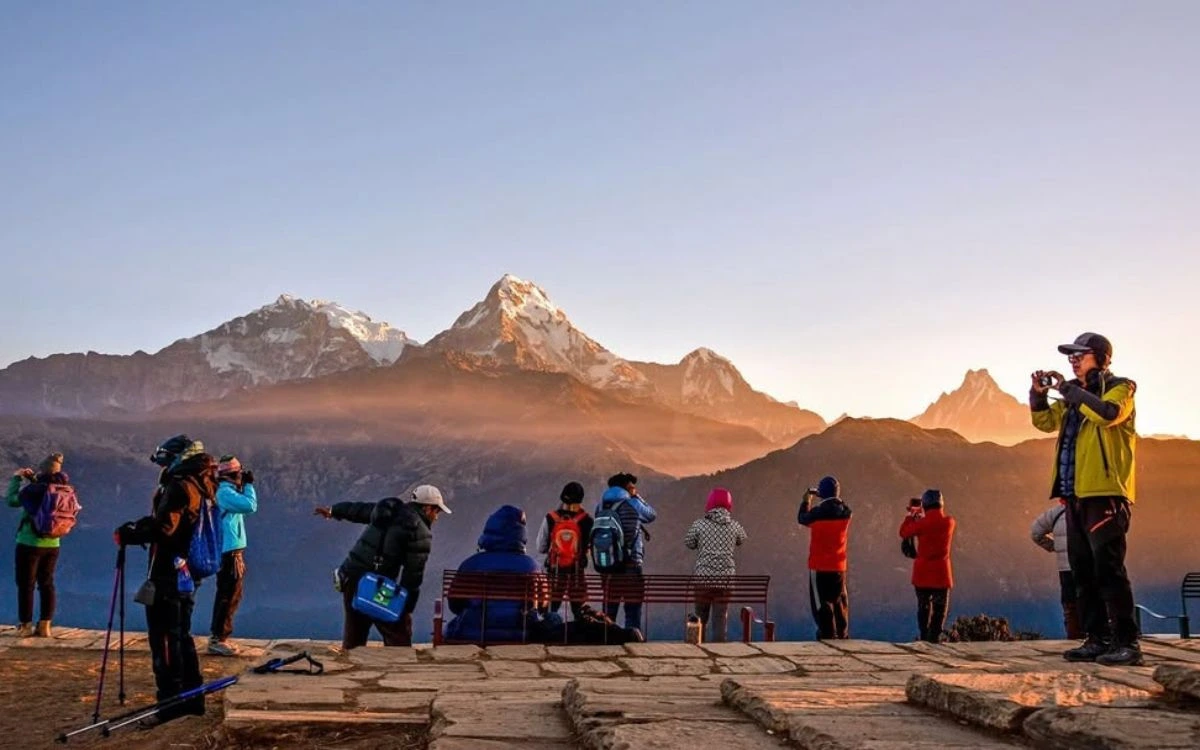 Nepal floods 2026 travel safety
The Nepal Tourism Board has been direct about this: it recommends booking only through government-authorized travel and trekking agencies, and it maintains dedicated Tourist Police contacts for emergencies. Multiple operators have circulated the same core numbers for stranded travelers or concerned families: Nepal Tourism Board toll-free 1234, hotline 1144, and Tourist Police at +977 9851289445.
What Should Tourists Check Before Traveling to Nepal?
- Weather conditions — both in Kathmandu/Pokhara and at your specific destination altitude
- Flood and landslide warnings — particularly for anything routed near the Bhote Koshi/Trishuli corridor
- Road conditions — confirm your route is currently passable, not just that it usually is
- Flight status — mountain flights are weather-sensitive even when city airports are fine
- Trekking trail conditions — route-specific, confirmed by your guide or agency
- Hotel and accommodation availability — especially in and around Syabrubesi
- Government travel advisories — from your own country's foreign ministry
Should You Cancel Your Nepal Trip After the 2026 Floods?
Break it down by scenario rather than making one blanket decision.
If you're visiting an unaffected tourist area (Kathmandu, Pokhara, Chitwan, Everest, Annapurna, Manaslu), there's currently no flood-specific reason to cancel just keep checking conditions as your departure date approaches.
If your route passes through flood-affected areas (Rasuwa, the Galchhi–Trishuli corridor, Syabrubesi), it's worth reconsidering or adjusting your itinerary until local authorities confirm safe, stable access.
If you're planning a trek, get a recent, route-specific update from your guide or agency before you commit to final dates especially for Langtang, and as a general good habit for any Himalayan trek regardless of this event.
What Are the Best Alternatives If Your Nepal Trip Is Affected?
If your original plans ran through the affected corridor, there's no shortage of solid alternatives elsewhere in the country: Kathmandu cultural sightseeing, Pokhara's lakeside and paragliding scene, wildlife safaris in Chitwan, the pilgrimage sites of Lumbini, shorter day hikes around the Kathmandu Valley, or simply building more flexibility into your existing itinerary. Just keep in mind that "alternative" doesn't mean "risk-free" normal monsoon-season precautions still apply anywhere in the country.
Nepal Floods 2026: Travel Safety Checklist
What to Check | Why It Matters |
|---|---|
Weather | Conditions can change quickly |
Flood warnings | Helps avoid dangerous areas |
Road status | Roads and bridges may be damaged |
Trekking trails | Trails can become unstable |
Flights | Weather can cause delays |
Travel advisory | Provides current government guidance |
Insurance | Helps with unexpected disruptions |
Emergency contacts | Useful during emergencies |
Conclusion
Nepal floods 2026 travel safety depends heavily on where you are traveling. The worst-hit areas the Bhote Koshi and Trishuli river corridors in Rasuwa, Nuwakot, and Dhading require extreme caution or outright avoidance while rescue, recovery, and infrastructure repairs continue. Travelers heading to other parts of Nepal, including Kathmandu, Pokhara, Chitwan, and the Everest, Annapurna, and Manaslu trekking regions, should still monitor weather, transportation, and official travel updates before and during their trip, but have no flood-specific reason to change their plans.
Note: This article will be updated as new official warnings, road closures, trekking-route changes, or transportation updates are confirmed.
Plan your trek
Want to Plan Your Holiday in Nepal?
Tell us your dates and fitness level. A local expert replies within a day with a private itinerary and price.
Frequently Asked Questions
Is Nepal safe to travel to after the 2026 floods?
Most of the country is safe and operating normally. The exception is the Bhote Koshi/Trishuli corridor in Rasuwa, Nuwakot, and Dhading districts, which remains dangerous and should be avoided until authorities confirm otherwise.
Is Kathmandu safe after the Nepal floods?
Yes. Kathmandu Valley was not physically affected by the flood and continues to operate normally, though it's still worth monitoring official updates.
Which areas of Nepal were affected by the 2026 floods?
Primarily Rasuwa district, with downstream impacts reaching parts of Nuwakot and Dhading along the Trishuli River.
Are Nepal's trekking routes open after the floods? Yes, with one exception. Everest, Annapurna, and Manaslu are running normally. Langtang requires extra caution due to its Rasuwa-district access route.
Is it safe to trek in Nepal after the 2026 floods?
For most regions, yes , check route-specific conditions with your guide as you would for any Himalayan trek. Langtang is the one region where you should get a direct, current confirmation before departure.
Are Nepal's roads safe after the floods?
Roads in the disaster corridor have sustained real damage and closures. Elsewhere in the country, normal monsoon-season road conditions apply.
Is Pokhara safe to visit after the floods?
Yes. Pokhara is outside the disaster zone; the only related disruption was a temporary Prithvi Highway closure.
Should I cancel my Nepal trip because of the floods?
Only if your itinerary runs directly through the affected corridor or Langtang. For everywhere else, monitor conditions but proceed as planned.
What should tourists do during a flood warning in Nepal?
Move to higher ground immediately, avoid crossing rivers or floodwater on foot or by vehicle, and follow instructions from local authorities and your guide or hotel staff without delay.