

Lobuche peak Climbing with EBC Highlights
- Experience an exciting combination of Everest Base Camp trekking and Lobuche Peak climbing.
- Reach the iconic Everest Base Camp and explore the spectacular Khumbu Glacier.
- Climb Lobuche Peak and enjoy breathtaking panoramic views of the Everest region
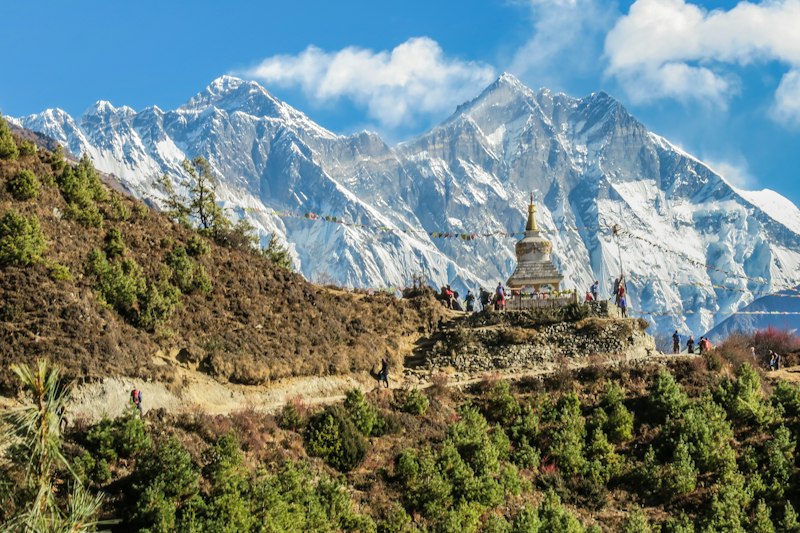
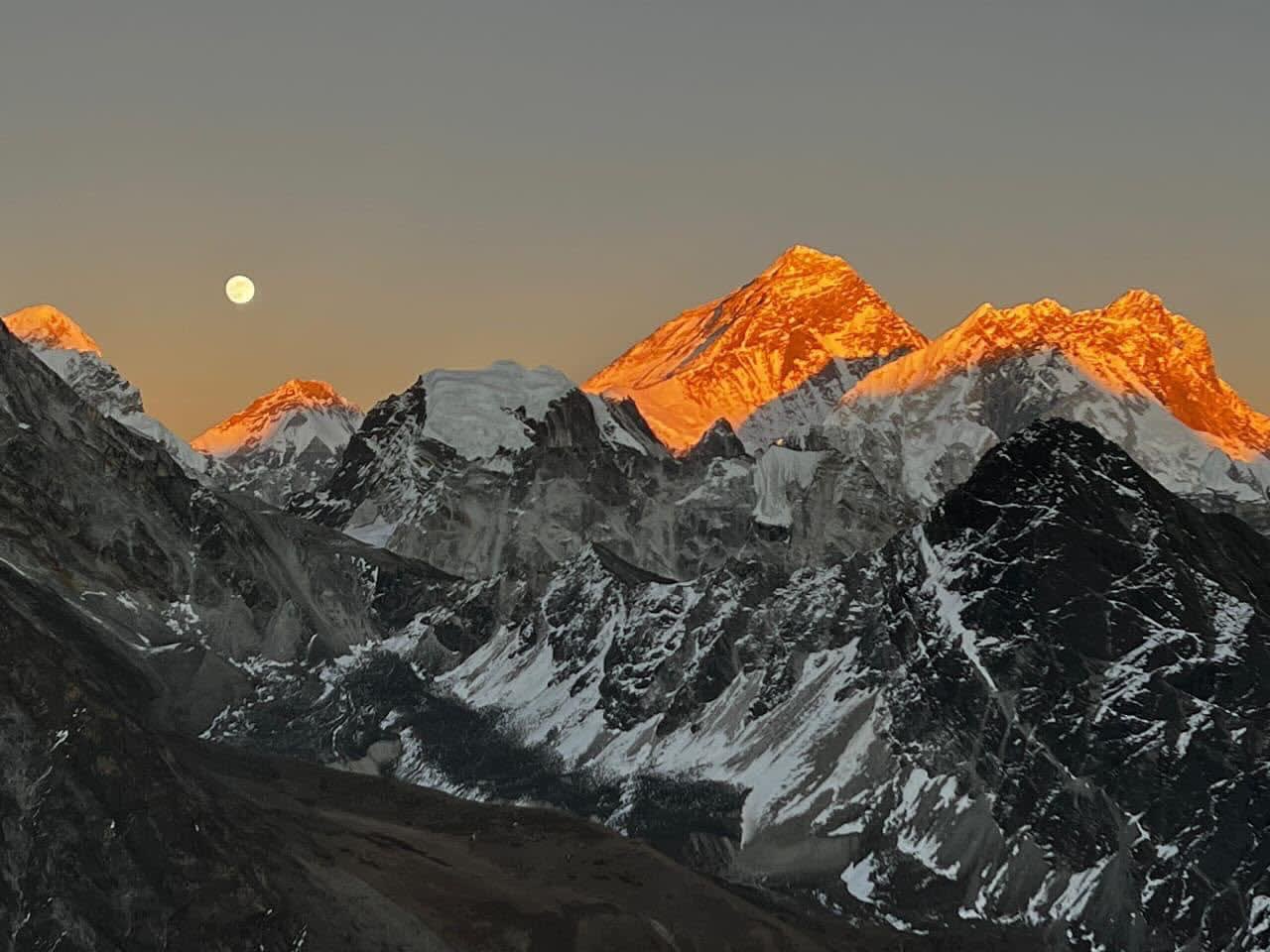
- Witness magnificent views of Mount Everest, Lhotse, Nuptse, Ama Dablam, Pumori, and surrounding peaks.
- Explore the vibrant Sherpa town of Namche Bazaar and traditional Himalayan settlements.
- Visit the historic Tengboche Monastery surrounded by spectacular Himalayan scenery.
- Trek through beautiful rhododendron and pine forests, alpine valleys, and rugged mountain landscapes.
- Experience proper acclimatization while gradually ascending into the high-altitude Everest region.
- Enjoy an unforgettable Himalayan adventure combining trekking, mountaineering, and Sherpa culture.
- Challenge yourself with a rewarding summit attempt of Lobuche Peak in the heart of the Himalayas.
Lobuche peak Climbing with EBC Overview
The Lobuche Peak Climbing with EBC – 19 Days is an exciting and adventurous journey that combines the world-famous Everest Base Camp trek with the rewarding challenge of climbing Lobuche Peak. This remarkable expedition takes you deep into the Khumbu region, where spectacular Himalayan peaks, traditional Sherpa villages, Buddhist monasteries, glaciers, and dramatic mountain landscapes create an unforgettable experience.
The journey begins in Kathmandu, the cultural capital of Nepal, where you complete trek preparation and receive important information about the expedition. From Kathmandu, a scenic flight takes you to Lukla, the main gateway to the Everest region. From Lukla, the trail gradually ascends through beautiful forests, suspension bridges, mountain villages, and valleys toward the higher regions of Khumbu.
One of the major highlights of the journey is reaching Everest Base Camp, one of the most famous trekking destinations in the world. The route passes through important settlements including Namche Bazaar, Tengboche, Dingboche, and Lobuche. Along the way, trekkers can enjoy spectacular views of Everest, Ama Dablam, Lhotse, Nuptse, and numerous other Himalayan peaks.
The expedition then focuses on Lobuche Peak climbing, providing an opportunity to experience Himalayan mountaineering in a spectacular high-altitude environment. Climbers receive guidance and support from experienced climbing staff while preparing for the summit attempt. Proper acclimatization, physical preparation, suitable equipment, and careful attention to weather and mountain conditions are essential parts of the climbing experience.
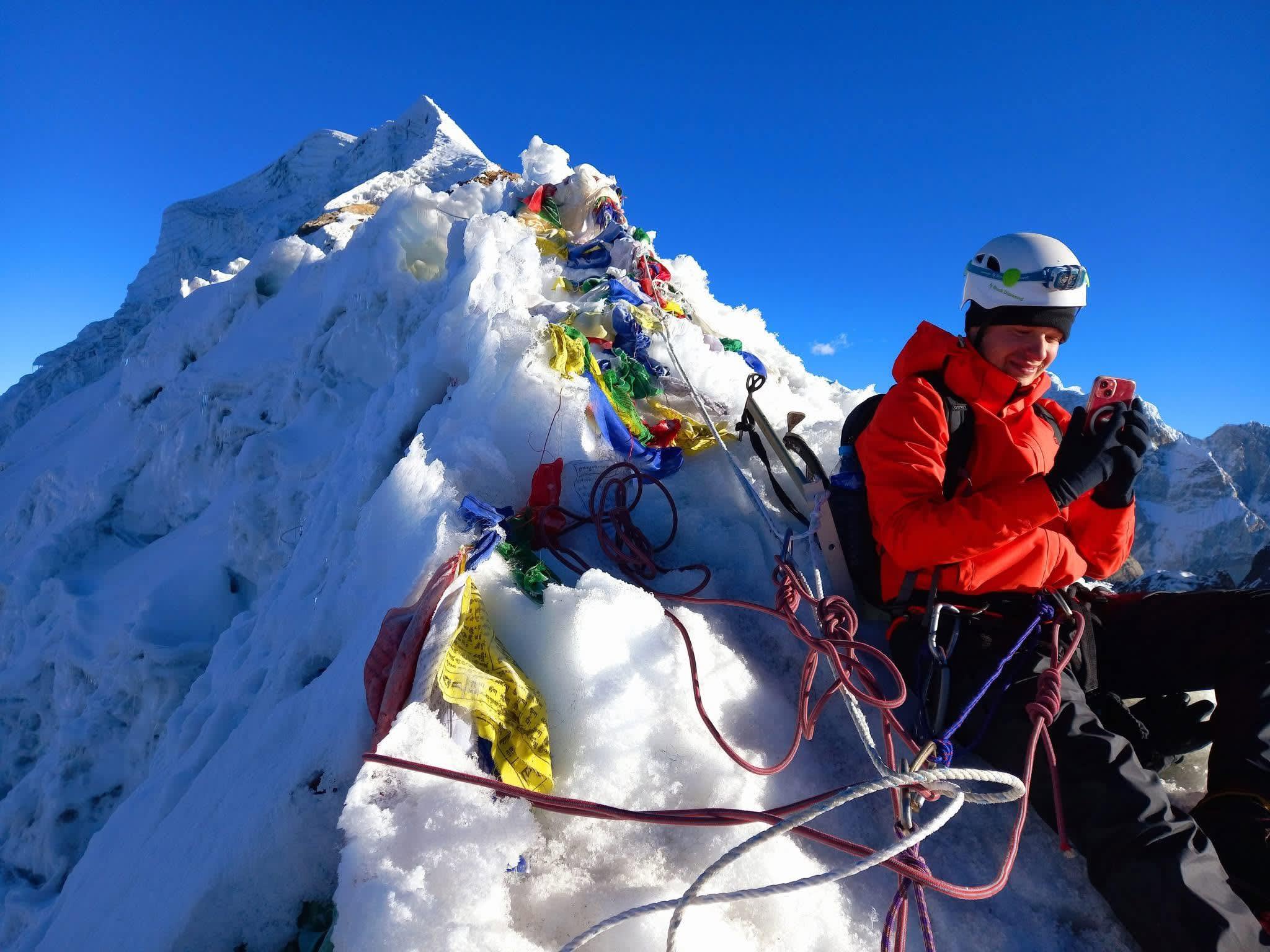
The summit attempt is one of the most challenging and rewarding parts of the expedition. The ascent takes climbers through demanding mountain terrain toward the summit of Lobuche Peak. From the higher elevations, panoramic views of Everest, Lhotse, Nuptse, Ama Dablam, Pumori, and other Himalayan peaks create an unforgettable mountaineering experience.
The 19 Days Lobuche Peak Climbing with EBC provides a perfect combination of trekking, peak climbing, Himalayan scenery, and cultural exploration. Although the journey requires good physical fitness and determination, the rewards include reaching Everest Base Camp, experiencing the unique Sherpa culture, and taking on the challenge of a Himalayan peak in one memorable adventure.
Kathmandu to Lukla Flight
The Lobuche Peak Climbing with EBC adventure normally begins with a scenic flight from Kathmandu to Lukla, the primary gateway to the Everest region. The flight takes approximately 30–40 minutes and provides spectacular aerial views of the Himalayan foothills, valleys, and mountain ranges.
Lukla Airport is located at approximately 2,860m and is surrounded by dramatic mountain terrain. Due to the mountainous environment and changing weather conditions, flights can occasionally be delayed or cancelled.
During periods of high trekking traffic, flights may operate from Ramechhap/Manthali Airport instead of Kathmandu. Travellers should therefore maintain flexibility in their schedule.
Lukla to Kathmandu Flight
After completing the trek and returning to Lukla, you take a scenic flight back to Kathmandu. The flight generally takes around 30–40 minutes depending on weather and operating conditions.
Upon arrival in Kathmandu, you will be transferred to your hotel and have time to rest, explore the city, or prepare for your international departure.
Optional Helicopter Charter
Private helicopter services may be arranged for Kathmandu–Lukla or Lukla–Kathmandu transfers depending on availability, weather, and additional cost. Helicopter services can provide greater flexibility during periods of flight disruption and offer spectacular aerial views of the Everest region.
Lobuche peak Climbing with EBC Photo Gallery


Plan Your Lobuche peak Climbing with EBC Dates
Pick Your Start Date
Click any date below to select your departure day. The calendar will automatically highlight your full 19-day trip window. Use the arrows to browse months.
Lobuche peak Climbing with EBC Itinerary
Welcome to Nepal! Upon your arrival at Tribhuvan International Airport in Kathmandu, you will be warmly welcomed by the Nature Heaven Trek team. Our representative will assist you with your airport arrival and transfer you comfortably to your hotel.
After checking into the hotel, you will have time to rest and recover from your journey. Depending on your arrival time, you may take a short walk around the nearby area and enjoy your first impressions of Kathmandu's lively streets, traditional architecture, and unique cultural atmosphere.
Later, you will receive a briefing about your upcoming itinerary, including the trekking route, daily activities, necessary preparations, and important information for the journey ahead.
Enjoy a relaxing evening in Kathmandu and prepare for the exciting adventure that awaits you in the Himalayas.
What is Included in This Package
Transportation
- Round-trip domestic flights: Kathmandu – Lukla – Kathmandu
- Private airport pick-up and drop-off services in Kathmandu
- All necessary ground transportation as per itinerary
- • Airport transfers as mentioned in the itinerary
Accommodations
- Hotel accommodation in Kathmandu on a bed-and-breakfast basis
- Teahouse/lodge accommodation during the trekking section
- Camping accommodation at Lobuche Base Camp/High Camp as required
- Twin-sharing accommodation throughout the journey
- Accommodation for climbing guides and support staff
Food & Drinks
- Breakfast, lunch, and dinner during the trekking and climbing period
- Full-board meals during the climbing section
- Tea and coffee during meals
- Seasonal fruits during trekking days where available
- Welcome and farewell dinners in Kathmandu
Guide & Porter
- Government-licensed, experienced English-speaking trekking/climbing guide
- Experienced climbing guide for Lobuche East Peak
- Assistant climbing guide depending on group size
- Necessary porter support during the trek
- Professional climbing support during the summit attempt
- Cook and kitchen staff where camping services are required
Permits & Fees
- Sagarmatha National Park Entry Permit
- Local area/Khumbu municipality fees
- Lobuche East climbing permit
- Required trekking registration/TIMS or applicable documentation
- Necessary climbing and trekking administrative fees
Equipment and Gear
- Group climbing rope and essential technical climbing equipment
- Climbing training at Lobuche Base Camp
- Crampon and ice-axe guidance/training
- Harness, ascender and other technical equipment as arranged by the operator
- First-aid medical kit
- Oxygen saturation monitoring with oximeter
- Emergency rescue coordination assistance
- Trek/climbing completion certificate
- Company duffel bag and trekking map
- Free luggage storage in Kathmandu
What is Excluded from This Package
Transportation
- International airfare to and from Nepal
- Additional transportation not mentioned in the itinerary
- Private helicopter charter unless specifically arranged
- Additional flight costs caused by personal itinerary changes
Accommodations
- Extra hotel nights in Kathmandu due to early arrival, late departure, flight delays, or personal reasons
- Additional accommodation caused by weather or unforeseen circumstances unless included by the operator
Food and Drinks
- Lunch and dinner in Kathmandu except welcome and farewell dinners
- Bottled water, alcoholic beverages, and soft drinks
- Personal snacks and energy bars
- Special food or beverages outside the standard menu
Personal Expenses
- Nepal tourist visa fees
- Personal travel insurance
- Emergency helicopter evacuation costs
- Hot showers, Wi-Fi, battery charging, and personal communication expenses
- Laundry services
- Personal trekking and climbing equipment not specifically included
- Personal clothing and gear
Guide & Porter
- Tips for guides, climbing guides, porters, cooks, and support staff
Other info
- Any costs arising from natural disasters, severe weather, flight delays, political disturbances, strikes, or unforeseen circumstances
- Medical expenses not specifically mentioned in the package
- Any services not specifically mentioned in the Included section
Required Equipment List
Clothing
Footwear
Climbing Category
Backpack and bags
Sleeping and Personal items
Food & Water
First aid & Medicines
Electrolyte packets Electronics & Documents
Useful Extras
Lobuche peak Climbing with EBC — Important Trip Info
Your Lobuche Peak Climbing with EBC adventure begins in Kathmandu, the cultural and historical capital of Nepal. Upon arrival at Tribhuvan International Airport, our representative will warmly welcome you and transfer you to your hotel.
We recommend arriving at least one day before the trek begins to allow sufficient time for rest, permit processing, equipment checks, and the pre-trip briefing.
Before and after the trek, you will stay in a comfortable tourist-standard hotel in Kathmandu. Most hotels provide facilities such as private rooms, Wi-Fi, hot showers, restaurants, and luggage storage.
Thamel is one of the most popular areas for trekkers and climbers and provides easy access to restaurants, trekking shops, cafés, travel services, and cultural attractions.
Lobuche Peak is located in the Khumbu region of Nepal near Everest Base Camp. Lobuche East, standing at approximately 6,119m, is a popular climbing peak for mountaineers looking to gain experience with technical high-altitude climbing.
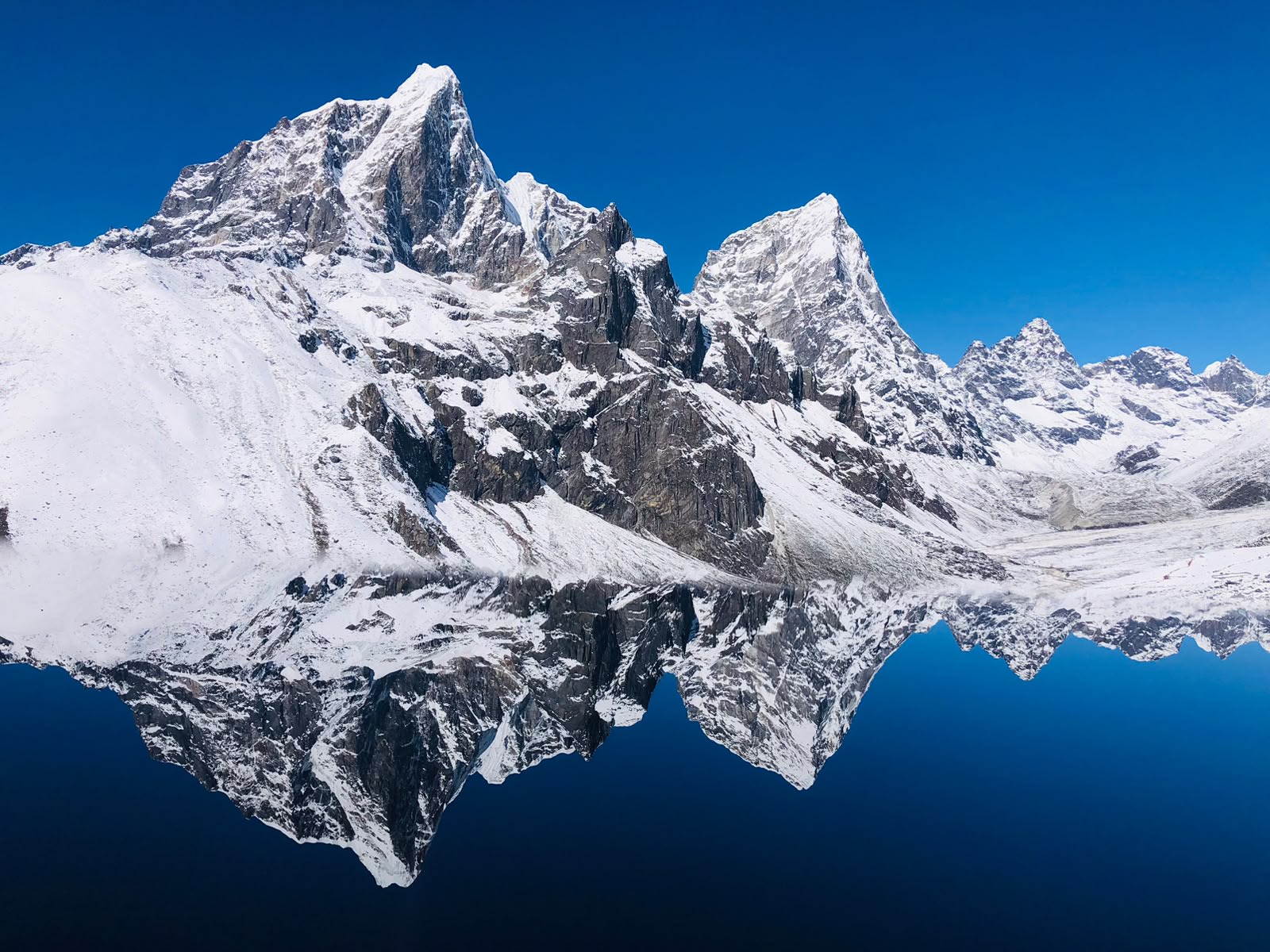
The mountain is situated close to the Khumbu Glacier and provides spectacular views of Everest and the surrounding Himalayan peaks. The climb combines trekking at high altitude with technical climbing sections, making it a rewarding challenge for physically prepared adventurers.
Lobuche East was first climbed in 1955 by an expedition associated with the Himalayan mountaineering community, and it has since become a popular objective for climbers visiting the Everest region.
Trekkers enjoy a selection of nutritious local and international meals throughout the journey. Food becomes simpler at higher elevations because of the remote environment.
Popular Food Options
• Dal Bhat (rice, lentils, vegetables, and pickles)• Tibetan bread• Noodles and fried rice• Potato dishes• Garlic soup• Momos (dumplings)• Pancakes and porridge• Eggs and chapati• Pasta and macaroni• Sherpa stew• Vegetable soup
Popular Beverages
• Black tea• Milk tea• Ginger tea• Garlic soup• Coffee• Hot lemon• Hot chocolate• Tibetan butter tea
Drinking Water
Safe drinking water can be obtained at teahouses and designated water sources throughout the trek. Trekkers are encouraged to use purification tablets, filters, or other appropriate water-treatment methods.
Staying well hydrated is particularly important at high altitude.
The Lobuche Peak adventure involves travelling above 5,000m and climbing to approximately 6,119m. Proper preparation and acclimatization are therefore essential.
Common Symptoms of AMS
•Headache• Nausea• Dizziness• Fatigue• Loss of appetite• Difficulty sleeping• Shortness of breath
Prevention Measures
• Ascend gradually• Follow the planned acclimatization schedule• Stay adequately hydrated• Eat nutritious meals• Avoid excessive alcohol and smoking• Maintain a steady walking pace• Inform your guide immediately if symptoms develop• Never ignore worsening altitude symptoms
Safety remains the highest priority during the expedition. Lobuche East involves high-altitude and technical climbing terrain, so climbers must follow the instructions of their professional climbing guides.
Essential Safety Guidelines
• Trek and climb with experienced, qualified guides• Follow all guide and climbing instructions• Use climbing equipment correctly• Wear crampons when required• Use fixed ropes and ascenders correctly• Maintain a steady pace• Stay hydrated and eat regularly• Carry appropriate clothing and equipment• Avoid unnecessary risks at high altitude• Inform the guide immediately about health problems• Never separate from the climbing group without informing the guide
Accommodation varies depending on location and altitude.
Lower Region Accommodation
In Lukla, Phakding, Namche Bazaar, Tengboche, and Dingboche, trekkers generally stay in comfortable local teahouses and lodges offering basic but welcoming facilities.
Higher Region Accommodation
At Lobuche, Gorak Shep, and around Base Camp, accommodation becomes more basic because of the high-altitude environment. Camping facilities may be used for the Lobuche climbing section depending on the package and seasonal conditions.
Facilities Available
• Twin-sharing rooms• Dining halls• Shared bathroom facilities• Basic heating in dining areas• Charging facilities where available• Wi-Fi in some lower villages• Hot showers at selected teahouses for an additional charge
Kathmandu to Lukla Flight
The journey normally begins with a scenic flight from Kathmandu to Lukla. The flight takes approximately 30–40 minutes and provides spectacular views of the Himalayan landscape.
During busy seasons or operational periods, flights may be operated from Ramechhap/Manthali instead of Kathmandu. Travellers should allow flexibility for transportation arrangements.
Lukla to Kathmandu Flight
After completing the trek, the return flight from Lukla takes approximately 30–40 minutes, depending on weather and operational conditions.
Mountain flights are weather dependent, so delays and cancellations are possible.
Proper climbing and trekking equipment is essential for a successful Lobuche Peak expedition.
Recommended Equipment
• Sturdy trekking boots• Mountaineering/climbing boots suitable for crampons• Warm down jacket• Four-season sleeping bag• Thermal base layers• Waterproof jacket and trousers• Trekking trousers• Warm fleece layers• Mountaineering gloves• Warm hat and balaclava• UV-protection sunglasses• Goggles for climbing conditions• Sunscreen and lip balm• Headlamp with spare batteries• Trekking poles• Climbing harness• Crampons• Ice axe• Ascender/Jumar• Carabiners• Climbing helmet• Personal first-aid kit• Reusable water bottles• Duffel bag and daypack
Technical climbing equipment should be confirmed with the trekking agency before departure because equipment arrangements vary by package.
Spring (March–May)
• Generally stable mountain weather• Clear Himalayan views• Moderate temperatures at lower elevations• Suitable climbing conditions• Increasing expedition activity
Autumn (September–November)
• Stable weather• Clear skies• Excellent mountain visibility• Comfortable trekking conditions• One of the most popular trekking seasons
Winter (December–February)
• Very cold temperatures• Snowfall at higher elevations• Freezing conditions around Base Camp• Fewer trekkers• More demanding climbing conditions
Monsoon (June–August)
• Rainfall at lower elevations• Cloudy conditions• Possible flight disruptions• Wet trails in lower areas• Less favourable trekking conditions
The official currency of Nepal is the Nepalese Rupee (NPR).
Payment Tips
• Carry sufficient cash from Kathmandu• ATMs are available in larger settlements such as Namche but may not always be reliable• Card facilities are limited in remote villages• Carry small denominations for personal expenses• Keep emergency cash separately from your main wallet
Required Permits
• Lobuche East Peak Climbing Permit• Sagarmatha National Park Entry Permit• Khumbu Pasang Lhamu Rural Municipality/local entry fee• TIMS or applicable trekking registration/documentation
Climbing permit fees can vary according to season and government regulations, so current charges should be confirmed before booking.
Important Information
• Permits are mandatory• Climbing permits must be arranged before attempting the summit• Permit fees may vary according to government regulations• Trekkers should carry copies of required documents• Registered trekking and climbing agencies normally arrange the necessary permits
Most international visitors can obtain a tourist visa upon arrival at Tribhuvan International Airport in Kathmandu, subject to Nepal's current immigration requirements.
Tourist Visa Options
• 15 Days Tourist Visa• 30 Days Tourist Visa• 90 Days Tourist Visa
Requirements
• Passport valid for the required validity period• Passport-sized photographs where required• Completed visa application• Applicable visa fee
Important Notes
• Visa requirements can change according to nationality and government regulations• Visa extensions may be available within Nepal• Carry suitable payment methods for visa fees• Check the latest immigration requirements before travelling
What our travellers say
“The Manaslu trek is incomparable. It's suitable as a first trek in the Himalayas — plenty of time for acclimatisation and such captivating views that spending time on "altitude sickness" would be a pity. And it's a special pleasure to walk with Krishna. He is a knowledgeable, reliable and brave guide, and a very pleasa…”
Kafle
Senior Himalayan Specialist
“Namaste! I have been guiding in the Himalayas for over 15 years. Contact me directly to customize your itinerary or check live trail conditions.”
Secure Booking System
Your checkout session is secure and encrypted by 256-bit SSL. Associated with TAAN, KEEP, NMA, and registered with Nepal Tourism Board.