

Annapurna Base Camp Short Trek Highlights
- Get to the spectacular Annapurna Base Camp at 4,130m.
- Trek through the beautiful Annapurna Sanctuary, surrounded by the towering Himalayan peaks.
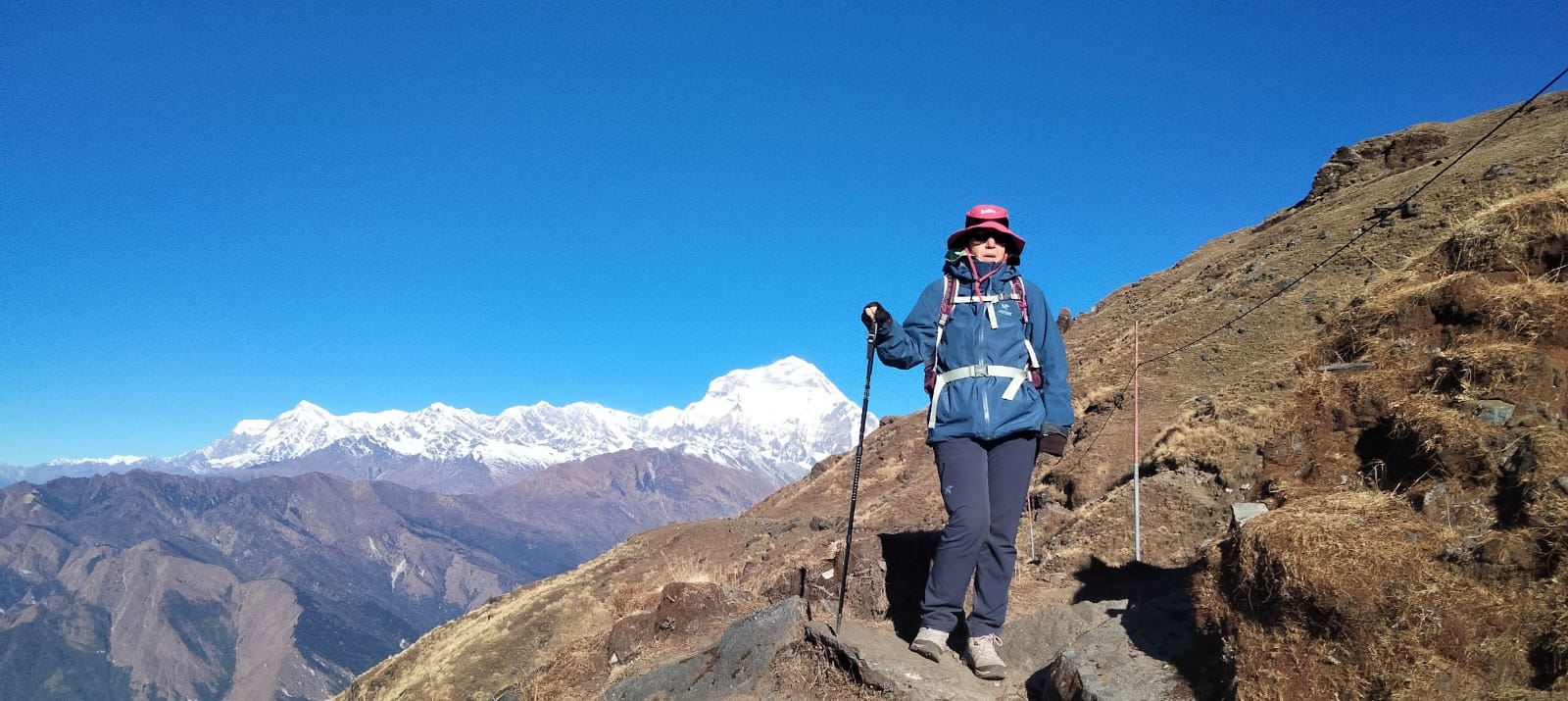
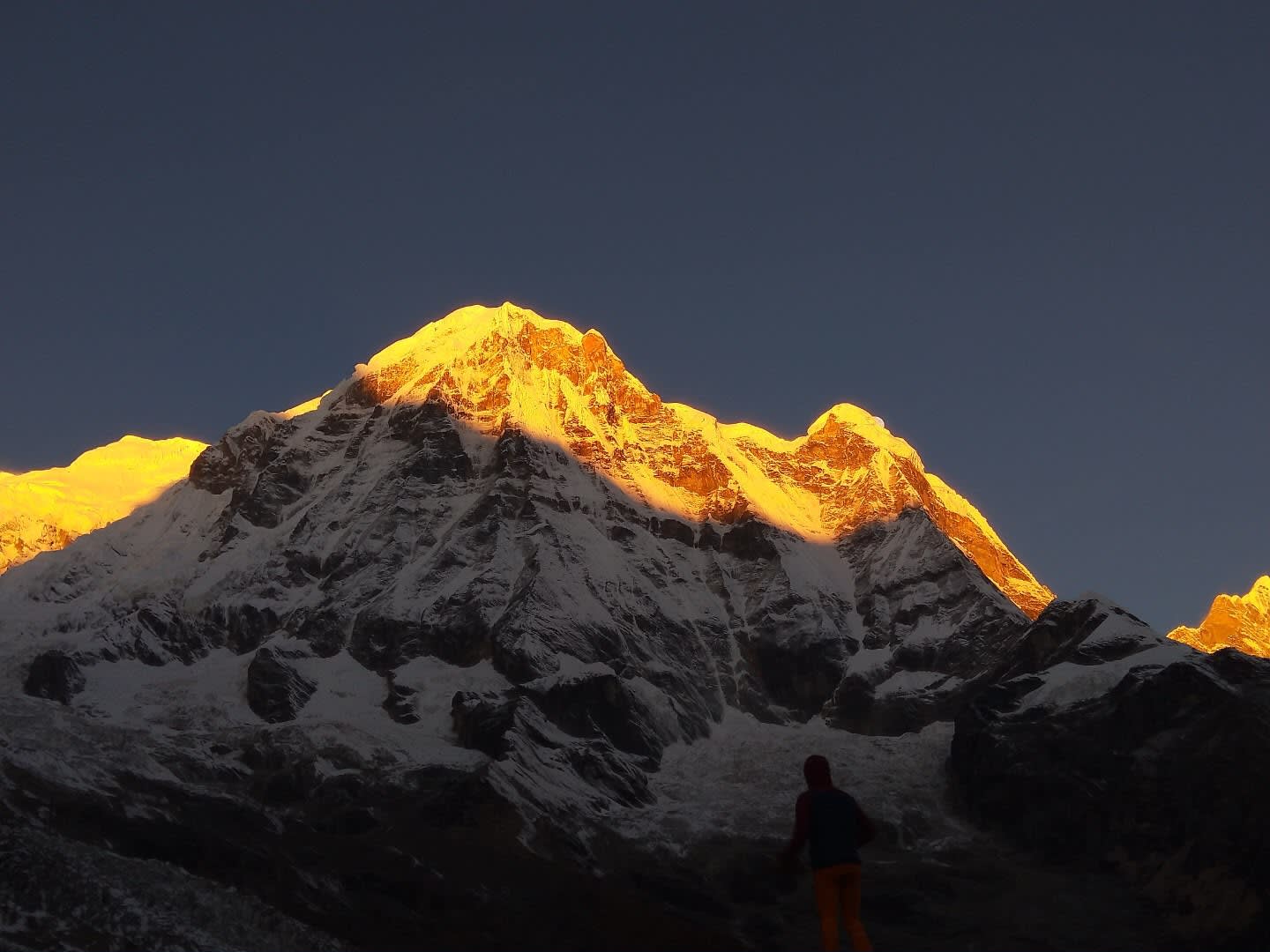
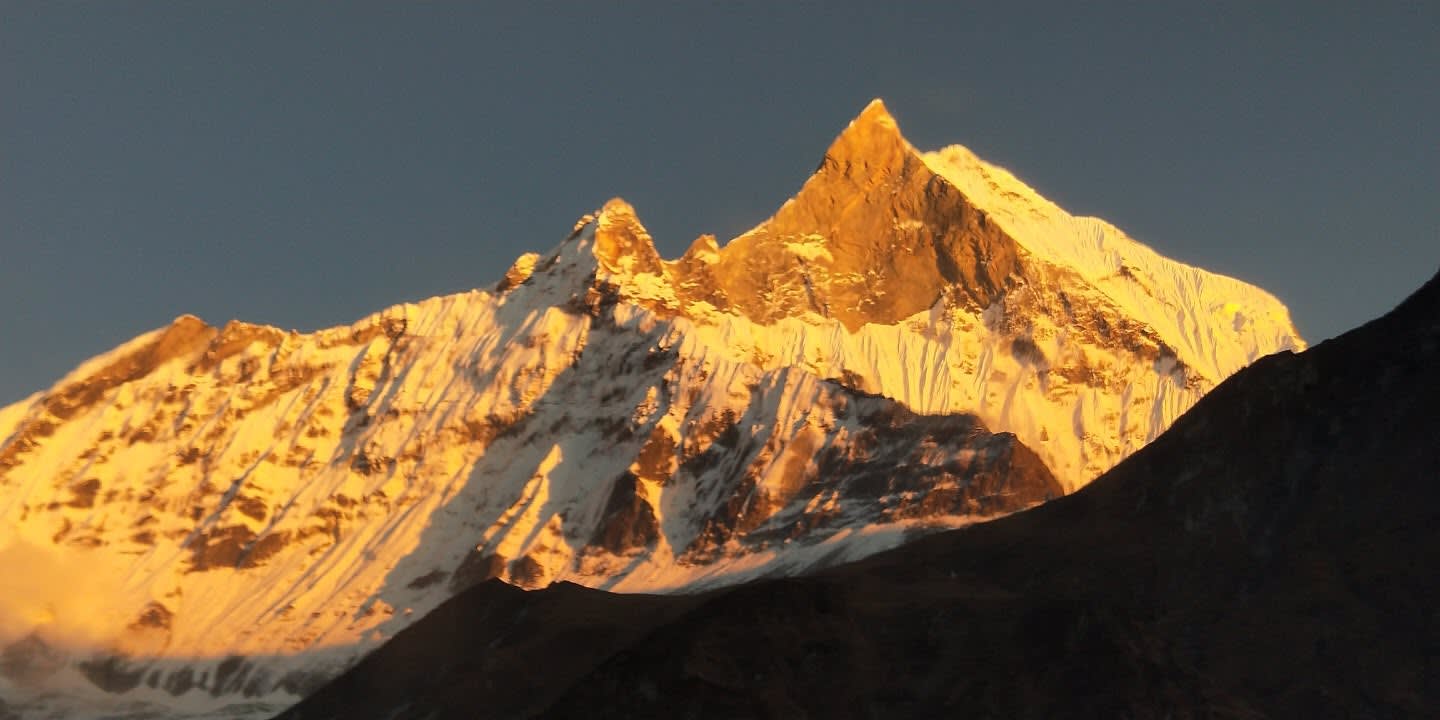
- Enjoy spectacular views of Annapurna I, Annapurna South, Hiunchuli and Machhapuchhre (Fishtail).
- Explore the traditional Gurung villages of Ghandruk and Chhomrong.
- Walk through the rhododendron, bamboo and oak forest.
- Experience the dramatic Modi Khola valley and mountain scenery.
- Visit Machhapuchhre Base Camp at c. 3,700 m.
- Relax in the natural hot springs at Jhinu Danda following the trek.
- Experience the local mountain culture, the food and the traditional village life.
- Complete one of Nepal's most popular short Himalayan treks in just 9 days.
Annapurna Base Camp Short Trek Overview
The 9 day Annapurna Base Camp short trek is an excellent Himalayan adventure for those who want to get into the Annapurna Sanctuary in a relatively short space of time. You'll be heading to 4,130m (13,550ft) and into the heart of the Annapurna region with the surrounding Himalayan peaks, the magnificent mountain scenery, the lush forests and the traditional mountain villages. It's a shorter version of the classic Poon Hill trek, taking a more direct route to ABC and still giving you all the highlights of the trek.
It's a drive from Kathmandu to Pokhara and then on to the trekking start. The trail is absolutely gorgeous, taking you through a string of beautiful Gurung villages, terraced fields, rhododendron forests, suspension bridges and river valleys. You pass through some lovely villages en route including Ghandruk, Chhomrong, Sinuwa, Bamboo, Dovan and Deurali. It's a proper journey through the mountain villages and the landscape around them.
As you go on the trek the scene changes from green hills and dense forest to very rugged alpine terrain and glacial valleys. You pass Machhapuchhre Base Camp (3,700m) and then you're in the wonderful Annapurna Sanctuary with Annapurna Base Camp (4,130m) right in front of you. From this point you have absolutely stunning views of Annapurna I, Annapurna South, Hiunchuli, Machhapuchhre (Fishtail) and all the other Himalayan peaks in the area. The sunrise over the snow-capped mountains is one of the most unforgettable experiences on the trek.
After the Annapurna Base Camp you retrace your steps through the sanctuary and head down to Bamboo and Jhinu Danda. There are some excellent natural hot springs at Jhinu Danda which are a perfect place to just relax and recuperate after several days on the mountain. It's a very good 9 day Annapurna Base Camp trek for reasonably fit trekkers with good walking endurance who simply want to get a feel for the Annapurna Himalayas without going any further. It's a fairly short trek but it does entail several hours of walking each day and you will of course need to acclimatise properly and be well prepared. You will need to walk at a comfortable pace.
Pokhara Flight & Transportation Information
Kathmandu to Pokhara: you can get to Pokhara by tourist bus, private vehicle or domestic flight depending on your package and preference.
Pokhara to Trek Start: Get from Pokhara to the trek start by road (either private vehicle or shared).
Return to Pokhara: Transport is arranged from the end of the trek back to Pokhara.
Pokhara to Kathmandu: you can return to Kathmandu by domestic flight or by tourist vehicle after the trek. Flight schedules and availability are of course subject to change depending on the weather and operating conditions.
Annapurna Base Camp Short Trek Online Briefing
Prior to the 9 day Annapurna Base Camp Short Trek we have a online trip briefing run by our trekking team to help you get fully prepared for the trek. This can be arranged via an online meeting or communication platform prior to your arrival in Nepal.
Annapurna Base Camp Short Trek Photo Gallery
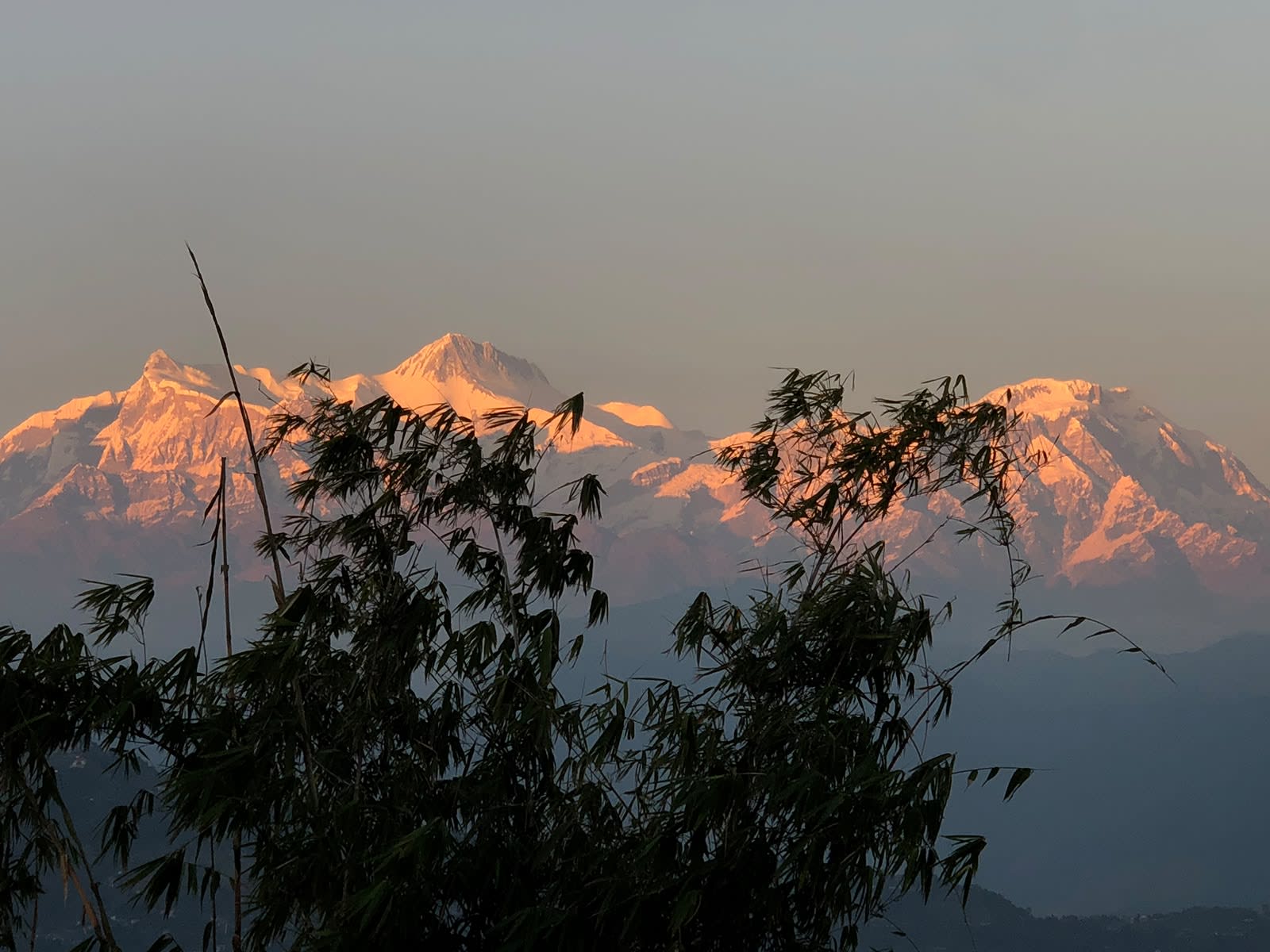
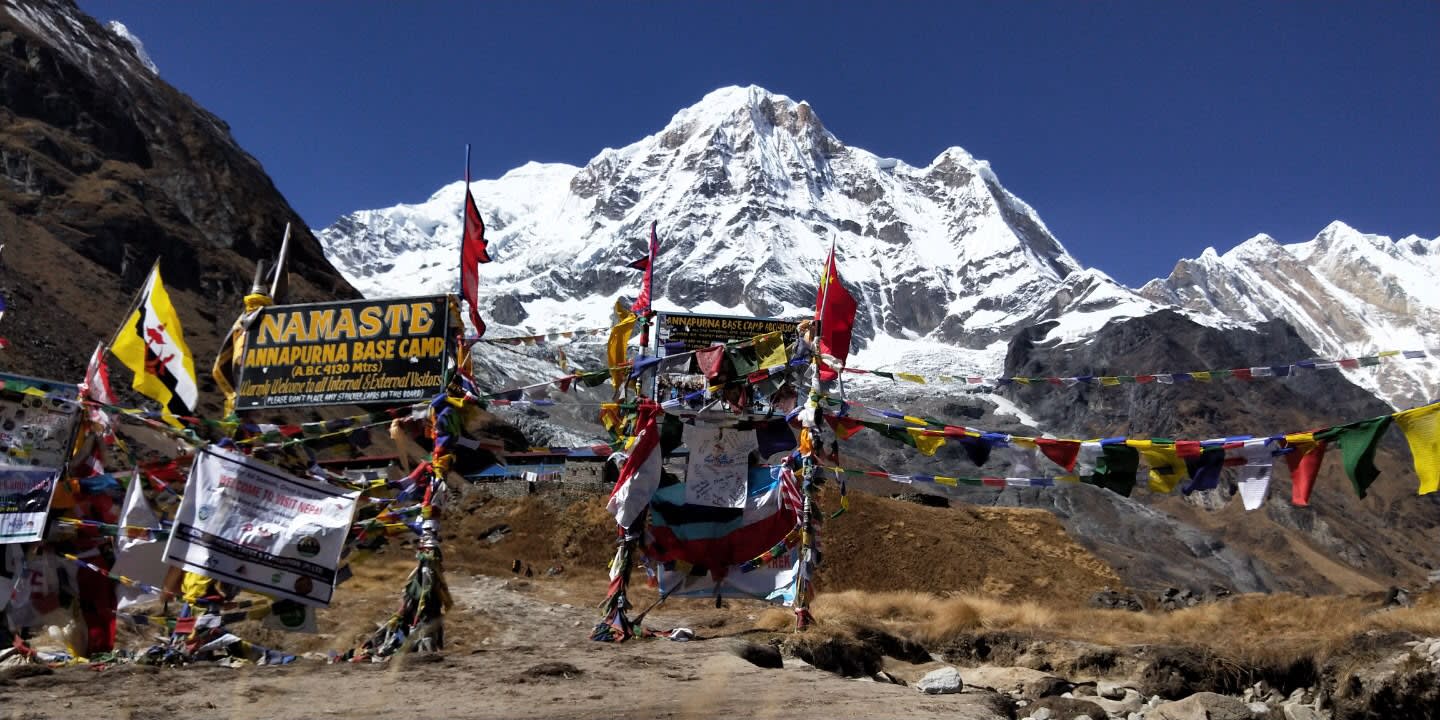
Plan Your Annapurna Base Camp Short Trek Dates
Pick Your Start Date
Click any date below to select your departure day. The calendar will automatically highlight your full 9-day trip window. Use the arrows to browse months.
Annapurna Base Camp Short Trek Itinerary
On arrival at Tribhuvan International Airport in Kathmandu a representative from Nature Heaven Treks & Expedition will be there to meet you. Once you've completed your arrival formalities and collected your luggage you'll be transferred by private vehicle to your hotel in Kathmandu.
We'll deal with your luggage and arrange a comfortable and convenient transfer to your accommodation. On arrival at the hotel you'll check in, relax and unwind from the journey.
Depending on when you arrive, we'll give you a very brief overview of your 9 day Annapurna Base Camp trek . We'll go over the itinerary, the permits, the equipment, the travel etc. You'll also meet your trekking guide and we'll go through any final bits before you actually go.
Enjoy your first evening in Kathmandu and get ready for an absolutely fantastic trekking experience in the Annapurna region.
What is Included in This Package
Transportation
- Kathmandu to Pokhara tourist bus/vehicle.
- Pokhara to trekking starting point by private vehicle.
- Jhinu Danda/trek ending point to Pokhara transportation.
- Ground transportation according to the agreed itinerary.
Accommodations
- Hotel accommodation in Pokhara.
- Tea house/lodge accommodation during the trek.
- Accommodation based on twin-sharing arrangements.
- Basic lodging facilities throughout the trekking route.
Food& Drinks
- Breakfast during the trip.
- Lunch and dinner during the trekking days.
- Tea or coffee with meals where available.
- Standard trekking meals from local tea houses.
Guide & Porter
- Government-licensed English-speaking trekking guide.
- Porter service according to the package arrangement.
- Guide and porter food, accommodation and insurance.
- Staff salary and applicable allowances.
Permits & Fees
- Annapurna Conservation Area Permit (ACAP).
- TIMS/trekking registration as applicable to the current regulations.
- Applicable local entry fees.
What is Excluded from This Package
Transportation
- Domestic flights unless specifically mentioned.
- Transportation not included in the agreed itinerary.
- Extra private vehicles requested outside the itinerary.
Accommodation
- Extra hotel nights in Kathmandu or Pokhara.
- Accommodation before or after the scheduled package.
- Room upgrades or additional services.
Food & Drinks
- Meals not mentioned in the itinerary.
- Alcoholic beverages.
- Bottled water, soft drinks and personal beverages.
- Extra snacks and specialty foods.
Personal Expenses
- Nepal tourist visa fee.
- Travel insurance.
- Personal medicines and medical expenses.
- Personal trekking equipment.
- Hot shower charges where applicable.
- Phone calls and other communication costs.
Guide& Porter
- Tips for guides, porters and other trekking staff are not included.
- Tips are normally given at the end of the trek according to service and personal satisfaction.
Other Info
- Emergency helicopter evacuation.
- Rescue costs.
- Expenses caused by natural disasters, bad weather or unforeseen events.
- Personal expenses not specifically listed under inclusions.
Required Equipment List
Headwear
Clothing Layers
Footwear & Handwear
Personal Gear
Toiletries & Medicines
Important Documents
Annapurna Base Camp Short Trek — Important Trip Info
The Annapurna Base Camp Short Trek (9 days) is a fantastic Himalayan adventure which takes you right into the heart of the Annapurna region. It's a relatively short trek and offers a real 'wow' factor in terms of the scenery you get to see. You'll be treated to some spectacular mountain views, traditional Gurung and Magar villages, beautiful forests, waterfalls and a wide variety of Himalayan terrain. The trek takes you through the villages of Ghandruk, Chhomrong and Deurali before you get to the Annapurna Base Camp (4,130m) which is absolutely stunning with the Himalayas all around you (Annapurna I 8,091m, Machhapuchhre 6,993m, Hiunchuli and Annapurna South to name but a few).
Geographically, the Annapurna Base Camp trail lies within the Annapurna Conservation Area, one of Nepal's most diverse natural and cultural landscapes. The trekking route gradually ascends from subtropical forests and terraced farmlands to alpine vegetation, glacial valleys, and the spectacular Annapurna Sanctuary. The region is also historically significant for its traditional mountain communities, particularly the Gurung and Magar people, who have preserved their unique cultures, lifestyles, architecture, and hospitality for generations. The Annapurna Sanctuary gained international recognition through Himalayan mountaineering and exploration, attracting trekkers and climbers from around the world.
The 9-day itinerary is ideal for travelers with limited time who still want to experience the beauty of the Annapurna Himalayas and reach the iconic base camp. The trek generally starts and finishes in Pokhara, with a combination of road transportation and scenic mountain walking. Trekkers can enjoy comfortable teahouse accommodation, traditional Nepali meals, and the guidance of an experienced trekking guide.The best seasons are spring (March–May) and autumn (September–November), when weather conditions and mountain visibility are generally favorable. With proper preparation, this trek offers a rewarding Himalayan experience combining natural beauty, local culture, adventure, and breathtaking mountain panoramas
The Annapurna Base Camp (ABC) Trek is one of Nepal's most popular Himalayan trekking adventures, located in the spectacular Annapurna region of north-central Nepal. The region is home to the magnificent Annapurna mountain range, including Annapurna I (8,091 m), the world's tenth-highest mountain, along with Machhapuchhre (6,993 m), Annapurna South, Hiunchuli and Gangapurna. The Annapurna region has a rich mountaineering history, particularly following the successful first ascent of Annapurna I in 1950 by a French expedition led by Maurice Herzog and Louis Lachenal. It was the first eight-thousand-metre mountain ever successfully climbed, marking an important milestone in the history of Himalayan mountaineering.
Geographically, the Annapurna Base Camp Trek passes through diverse landscapes, ranging from subtropical forests and terraced farmlands to alpine meadows, glacial valleys and dramatic Himalayan mountain scenery. The trekking route generally begins around Nayapul, Jhinu Danda or Ghandruk, passing through beautiful villages such as Chhomrong, Bamboo, Dovan and Deurali before reaching Annapurna Base Camp at an elevation of approximately 4,130 metres (13,550 feet). The sanctuary is surrounded by towering Himalayan peaks, creating a natural mountain amphitheatre with breathtaking panoramic views.
Historically and culturally, the Annapurna region is home to diverse ethnic communities, particularly the Gurung and Magar people, who have preserved their traditional lifestyles, languages, festivals and hospitality for generations. The region is also protected under the Annapurna Conservation Area, established in 1986, which focuses on biodiversity conservation, sustainable tourism and the protection of local cultural heritage. Today, the Annapurna Base Camp Trek offers a unique combination of Himalayan history, natural geography, mountain landscapes and authentic Nepalese cultural experiences.
The Annapurna Base Camp (ABC) Trek is one of Nepal's most popular Himalayan trekking adventures, offering an excellent combination of natural beauty, mountain scenery, and traditional Gurung and Magar culture. The overall cost of the trek depends on the itinerary, group size, trekking season, accommodation standards, transportation, and services included in the package. Generally, a 7–12-day Annapurna Base Camp Trek costs approximately USD 450–1,000 per person, depending on whether you choose a budget, standard, or private guided trekking package. The package may include a licensed trekking guide, accommodation, meals during the trek, necessary permits, ground transportation, and porter services.
For the Annapurna Base Camp Trek, trekkers generally need two major permits: the Annapurna Conservation Area Permit (ACAP) and the Trekkers' Information Management System (TIMS) Card, where applicable under current regulations. The ACAP permit is required because the trekking route passes through the Annapurna Conservation Area, a protected region known for its diverse ecosystems, wildlife, forests, and Himalayan landscapes. Permit fees and requirements may vary depending on nationality and updated government regulations. Trekkers should carry their passports and relevant documents during the permit application process.
It is recommended to arrange all necessary permits through a registered trekking agency before starting the journey. A professional trekking company can manage permit applications, licensed guide arrangements, transportation, accommodation, and other logistical requirements. Booking through an authorized local agency such as Nature Heaven Treks & Expedition helps make the Annapurna Base Camp journey more organized, comfortable, and hassle-free while allowing trekkers to focus on enjoying the spectacular Himalayan scenery.
The Annapurna Base Camp (ABC) Trek is considered a moderate-level trekking adventure in Nepal, suitable for trekkers with a reasonable level of physical fitness and some walking experience. The trek involves walking approximately 5–7 hours per day through stone staircases, forest trails, suspension bridges, traditional villages, and steep uphill and downhill sections. Although technical climbing skills are not required, good stamina, preparation, and a positive attitude are important to complete the journey comfortably.
Altitude is an important factor during the Annapurna Base Camp Trek. The journey typically begins in the lower foothills around 800–1,500 meters and gradually ascends through beautiful mountain settlements such as Chhomrong, Bamboo, Dovan, and Deurali before reaching Annapurna Base Camp at 4,130 meters (13,550 feet). As the elevation increases, trekkers may experience reduced oxygen levels, shortness of breath, headaches, or tiredness. Therefore, maintaining a gradual walking pace, drinking sufficient water, eating nutritious meals, and allowing adequate time for acclimatization are essential.
The best way to manage the difficulty and altitude is to follow a well-planned itinerary with appropriate walking hours and sufficient rest. Trekkers should listen to their bodies and inform their guide immediately if they experience symptoms of altitude sickness. With proper preparation, experienced trekking guides, suitable equipment, and a gradual ascent, the Annapurna Base Camp Trek offers a rewarding Himalayan experience for beginners as well as experienced trekkers.
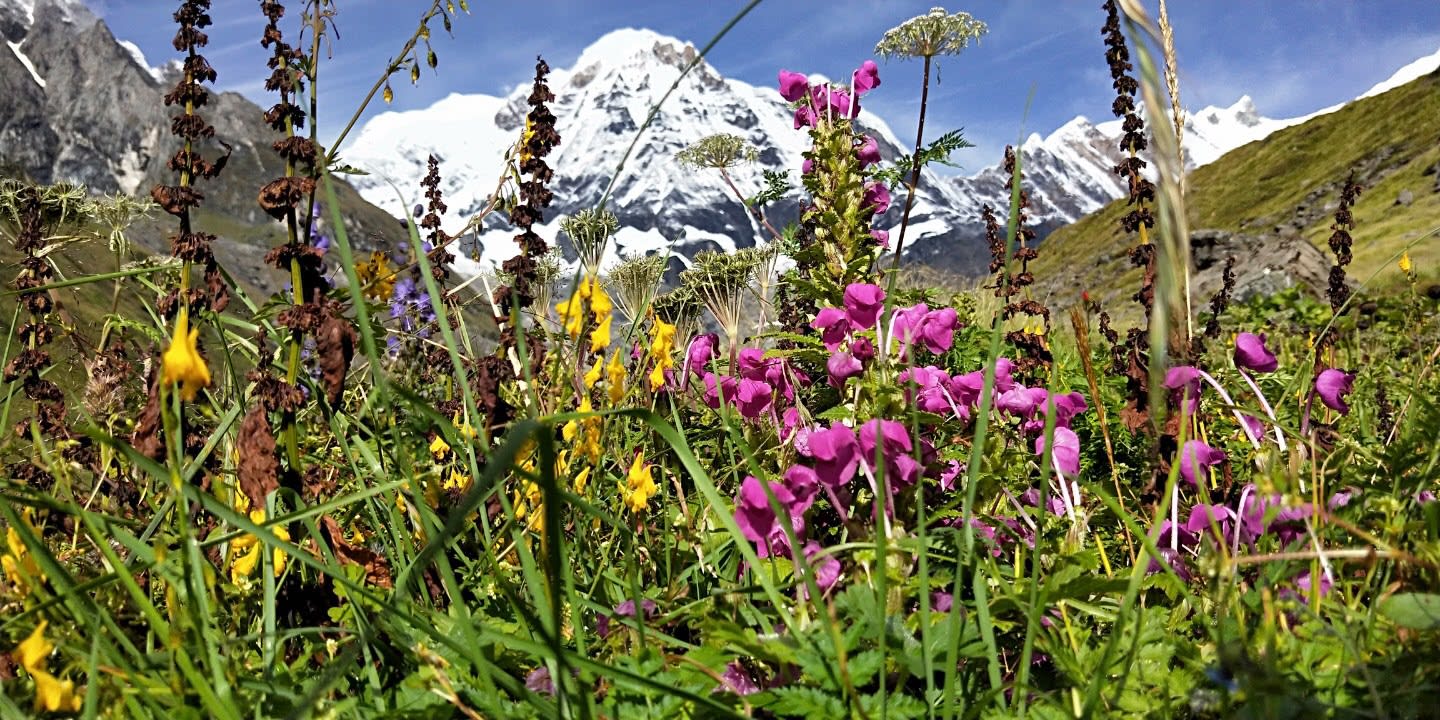
The best time for the Annapurna Base Camp (ABC) Trek is during spring (March to May) and autumn (September to November). These seasons offer the most favorable weather conditions, clear mountain views, comfortable temperatures, and relatively stable trekking conditions. Spring is especially beautiful, as the trails are decorated with blooming rhododendron forests, colorful wildflowers, and lush vegetation. During this season, trekkers can enjoy spectacular views of Annapurna I, Machhapuchhre (Fishtail), Hiunchuli, and other surrounding Himalayan peaks. March and April are particularly popular for nature lovers and photographers.
Autumn is another excellent season for the Annapurna Base Camp Trek, especially October and November, when the skies are generally clear, visibility is excellent, and the mountain scenery is at its best. The daytime temperatures are comfortable for walking, although mornings and nights become colder at higher elevations. Winter (December to February) is also possible for experienced trekkers with proper preparation, but heavy snowfall and freezing temperatures may affect access to the base camp. The monsoon season (June to August) is generally less recommended because of heavy rainfall, slippery trails, leeches, and limited mountain visibility. For the best overall trekking experience, March–May and October–November are highly recommended.
The Annapurna Conservation Area (ACA) is Nepal's largest protected conservation area, covering approximately 7,629 square kilometres across the central Himalayas. Established in 1986, it is home to remarkable geographical diversity, ranging from subtropical forests and terraced farmlands to alpine meadows, deep river valleys and snow-covered mountain landscapes. The conservation area includes several traditional villages and culturally rich settlements inhabited by Gurung, Thakali, Magar and other ethnic communities. It also protects diverse wildlife, including Himalayan tahr, musk deer, snow leopards and numerous bird species. The region is an important example of community-based conservation, where environmental protection, local livelihoods and sustainable tourism work together.
The Annapurna region is surrounded by some of the world's most spectacular Himalayan peaks, including Annapurna I (8,091 m), Annapurna South (7,219 m), Machhapuchhre (6,993 m), Hiunchuli and Gangapurna. These mountains create dramatic landscapes of glaciers, high-altitude valleys, rugged ridgelines and glacial rivers. The famous Annapurna Base Camp Trek takes visitors into the heart of this spectacular mountain amphitheatre, offering close-up views of towering Himalayan peaks and diverse natural environments. The combination of mountain scenery, biodiversity, traditional Himalayan culture and accessible trekking routes makes the Annapurna Conservation Area one of Nepal's most popular destinations for trekking, nature exploration and adventure tourism.
What our travellers say
“The Manaslu trek is incomparable. It's suitable as a first trek in the Himalayas — plenty of time for acclimatisation and such captivating views that spending time on "altitude sickness" would be a pity. And it's a special pleasure to walk with Krishna. He is a knowledgeable, reliable and brave guide, and a very pleasa…”
Kafle
Senior Himalayan Specialist
“Namaste! I have been guiding in the Himalayas for over 15 years. Contact me directly to customize your itinerary or check live trail conditions.”
Secure Booking System
Your checkout session is secure and encrypted by 256-bit SSL. Associated with TAAN, KEEP, NMA, and registered with Nepal Tourism Board.