


Weather and Climate Variations Across Nepal
Nepal’s climate varies dramatically within short distances due to its extreme changes in altitude. On average, temperatures decrease by about 6°C for every 1,000 meters of elevation gain. The country is broadly divided into three main ecological and climatic zones, each with distinct weather patterns.
1. Terai (Southern Plains)
This lowland region is hot and humid for most of the year. Summer temperatures can exceed 40°C, while winters remain mild, typically ranging between 7°C and 23°C. The monsoon season (June to September) brings heavy rainfall, with significant variation across the region—eastern areas receive much more rain than the western plains.
2. Hilly Region (Midlands)
Covering major cities like Kathmandu and Pokhara, this zone enjoys a generally moderate and comfortable climate. Summer temperatures can reach the low 30s°C, while winter temperatures usually range from 2°C to 12°C. This region receives the heaviest monsoon rainfall, with places like Pokhara recording extremely high annual precipitation.
3. Himalayan Region (Northern Mountains)
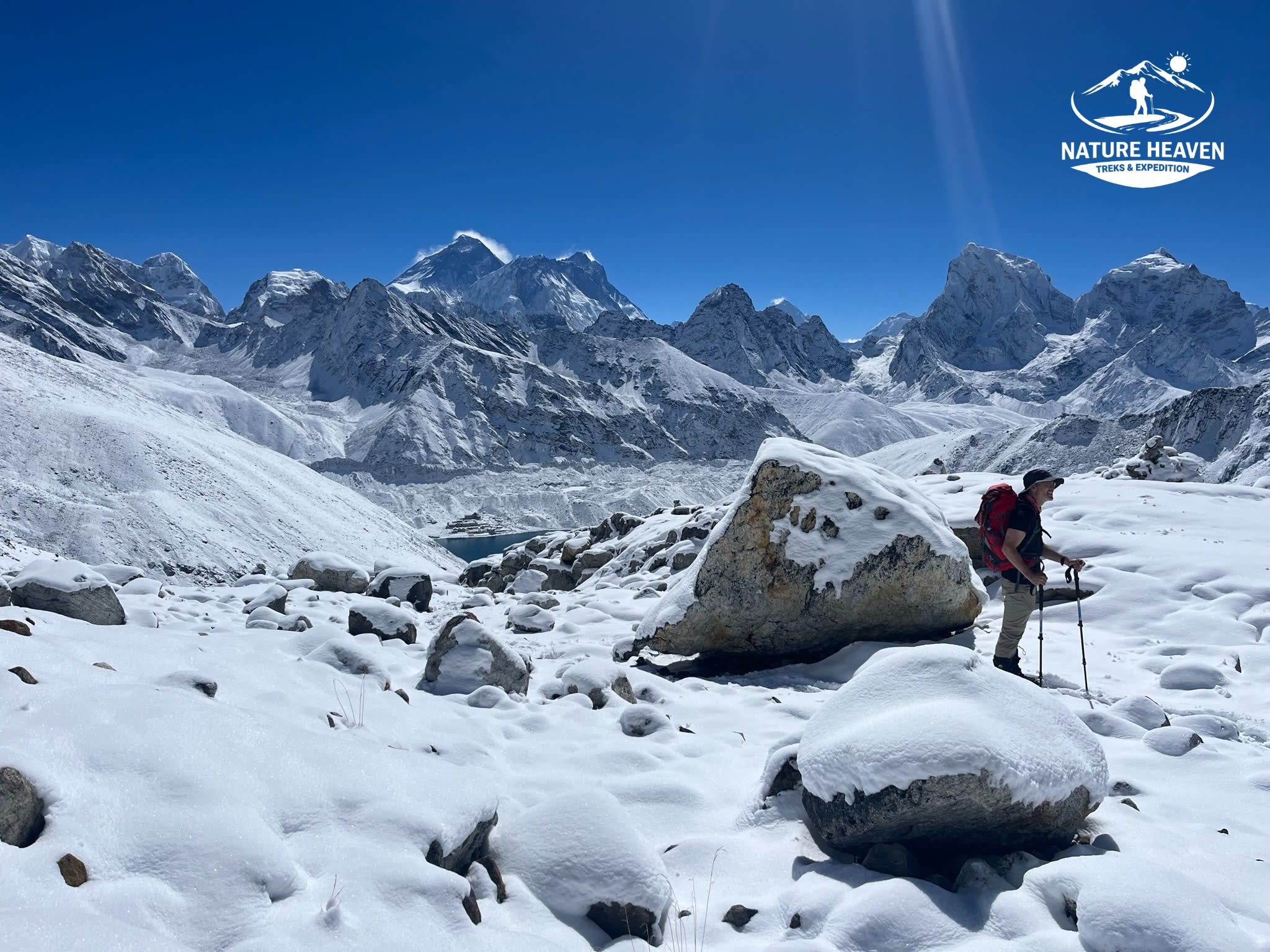
The northern highlands experience cold conditions throughout the year. Summers are cool, while winters are harsh and often drop well below freezing, especially at high altitudes. Some base camp areas can reach extreme lows of around -15°C or lower. Certain regions, such as Mustang and Manang, lie in a rain shadow and receive very little rainfall annually.
Seasonal Overview
Nepal has two dominant seasons:
Monsoon (June to September): Brings around 80% of the country’s annual rainfall
Dry Season (October to May): Characterized by clear skies and stable weather, making it ideal for travel