


Trek Highlights
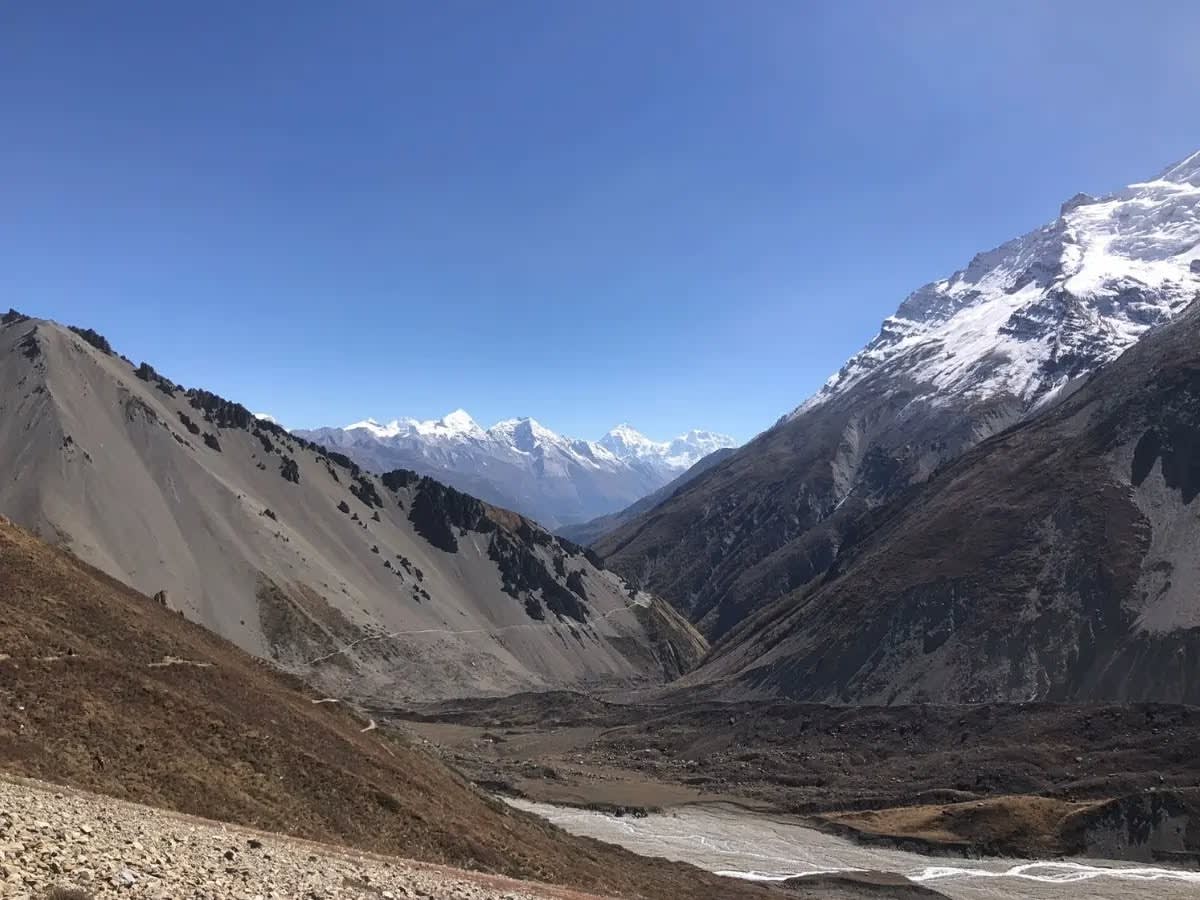
- Follow the traditional approach through the Kali Gandaki valley toward Annapurna Base Camp.
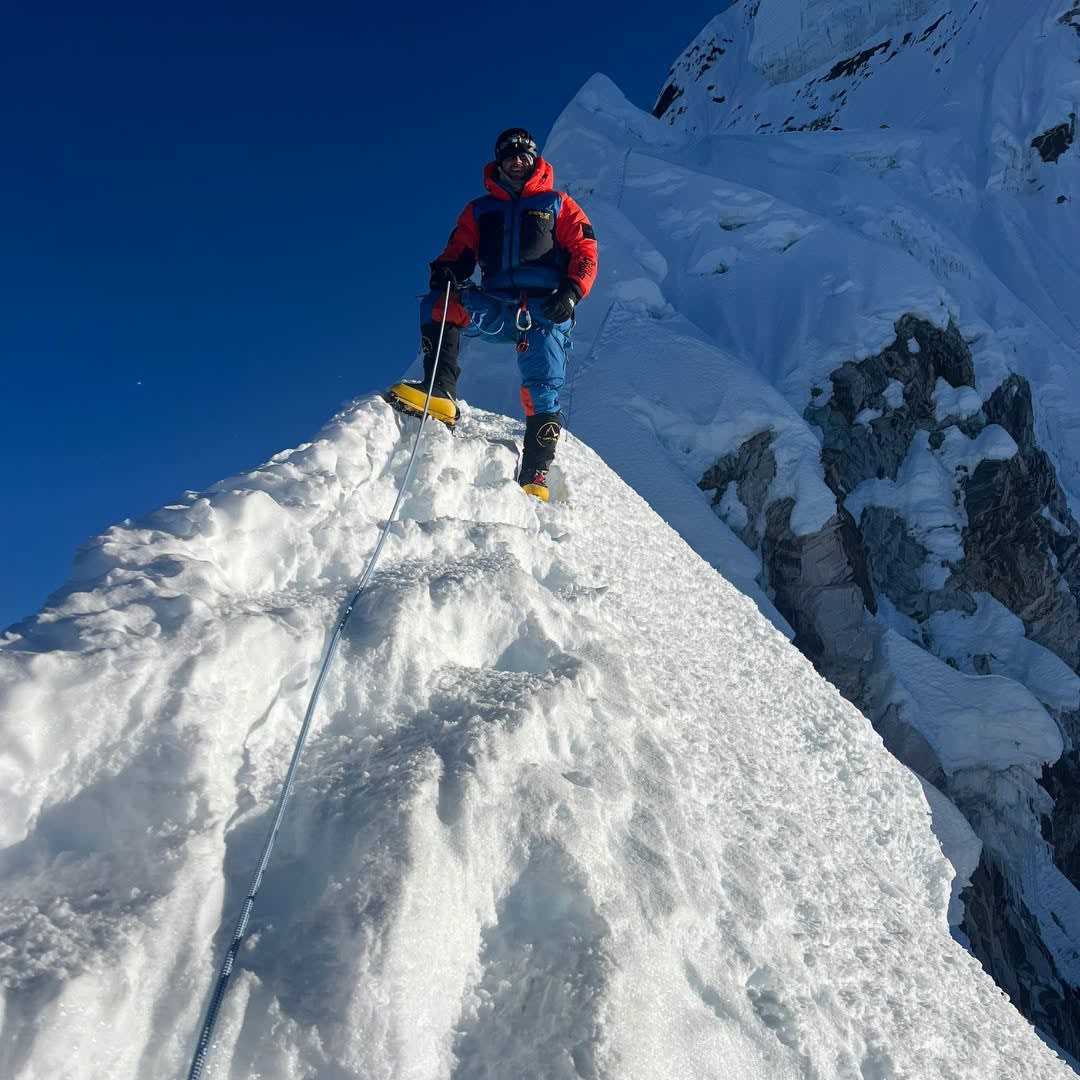
- Attempt the summit of Mount Annapurna I at 8,091m (26,545ft), the world's tenth-highest mountain.
- Climb one of Nepal's most demanding 8,000-meter expedition peaks.
- Establish an expedition base camp at approximately 4,200m.
- Complete structured acclimatization, climbing rotations and technical training before the summit attempt.
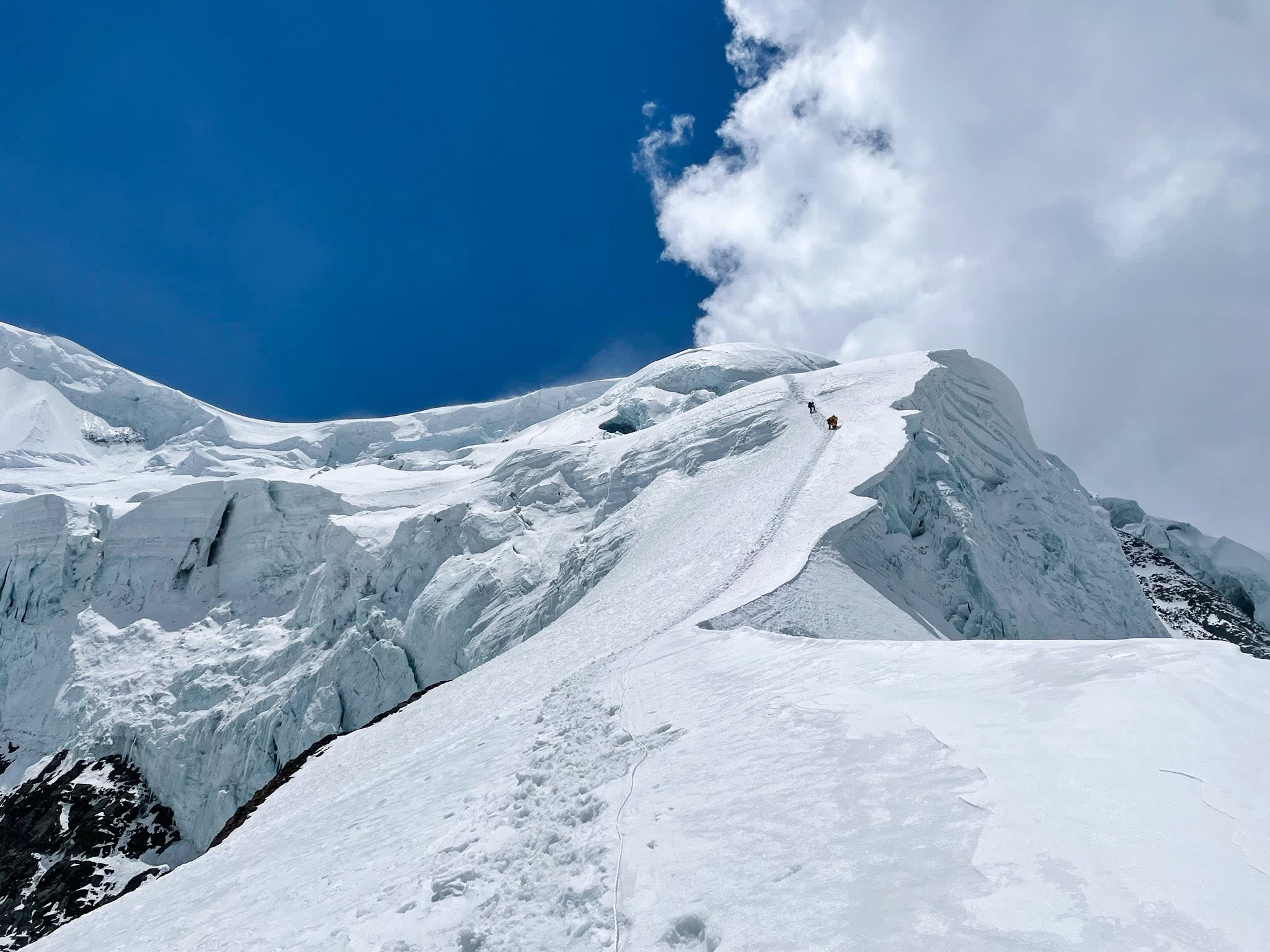
- Climb through high-altitude camps toward the summit, with the exact camp strategy determined by the expedition leader and mountain conditions.
- Experience dramatic views of the Annapurna massif, Dhaulagiri, Nilgiri and surrounding Himalayan peaks.
- Receive support from experienced expedition leaders, Sherpa climbing staff and a dedicated base-camp team.
- Use expedition climbing infrastructure including fixed ropes, high-altitude camps, communications and supplemental oxygen where included in the package.
- Complete the expedition with a controlled descent from Base Camp and return to Kathmandu.
Trip Overview
The Annapurna I Expedition – 40 Days is a high-altitude mountaineering expedition designed for experienced climbers aiming to attempt the summit of Annapurna I at 8,091m. Annapurna I is the tenth-highest mountain in the world and was the first 8,000-meter peak to be successfully climbed, in 1950 by Maurice Herzog and Louis Lachenal.
The expedition begins in Kathmandu with preparation, equipment checks, government procedures, expedition briefing and permit arrangements. The approach to the mountain can be organized through the Kali Gandaki valley, with published 40-day itineraries using the Beni–Tatopani–Ghasa–Lete–Dhulo Bukhing–Phang Base Camp route, while other operators use helicopter access from Tatopani or Dana to reduce the approach time.
After reaching Annapurna Base Camp at approximately 4,200m, the expedition enters its main acclimatization and climbing phase. Climbers spend time establishing camp, preparing equipment, practicing technical skills and adapting to altitude before beginning higher rotations.
The climbing period generally involves rotations through progressively higher camps. Depending on the route and expedition plan, climbers may establish or use Camp I, Camp II, Camp III and Camp IV before making a summit attempt. The precise altitude and location of each high camp can vary with route conditions, fixed-rope placement and the expedition leader's strategy.
The summit phase is highly dependent on weather, snow and ice conditions, avalanche risk, acclimatization and the availability of a suitable weather window. Reaching the summit is not guaranteed, and the expedition leader may modify or stop the summit attempt whenever conditions are considered unsafe.
Following the climbing period, the team descends to Base Camp, cleans and dismantles the expedition infrastructure, and returns through the lower Kali Gandaki region. The final days are used for transportation back to Kathmandu, recovery and departure preparation.
Lukla Flight Information
The expedition can be organized using different approach and return logistics. Traditional itineraries travel by road from Kathmandu toward Beni and then continue through Tatopani, Ghasa and Lete before trekking toward Annapurna Base Camp. Other 40-day expedition programs use a flight from Kathmandu to Pokhara followed by road transportation and helicopter access to Base Camp.
For the itinerary presented here, the road-based approach through Beni, Tatopani, Ghasa and Lete is used because it is documented in 40-day Annapurna I expedition itineraries. The return follows the same general route toward Beni and Kathmandu.
Flight or helicopter arrangements can be used where specified in the final expedition logistics plan. Weather, aircraft availability and mountain conditions can affect these operations.
Online Trip Briefing
Photo Gallery


Plan Your Trek Schedule
Pick Your Start Date
Click any date below to select your departure day. The calendar will automatically highlight your full 46-day trip window. Use the arrows to browse months.
Detailed Itinerary
Arrival at Tribhuvan International Airport, transfer to the hotel, expedition introduction, and initial briefing.
Trek Route Map

What our travellers say
“The Manaslu trek is incomparable. It's suitable as a first trek in the Himalayas — plenty of time for acclimatisation and such captivating views that spending time on "altitude sickness" would be a pity. And it's a special pleasure to walk with Krishna. He is a knowledgeable, reliable and brave guide, and a very pleasa…”
Kafle
Senior Himalayan Specialist
“Namaste! I have been guiding in the Himalayas for over 15 years. Contact me directly to customize your itinerary or check live trail conditions.”
Secure Booking System
Your checkout session is secure and encrypted by 256-bit SSL. Associated with TAAN, KEEP, NMA, and registered with Nepal Tourism Board.