Confirmed Booked Group, You Can Join for 2026 & 2027Know More

Nature Heaven Trekking & Expedition

Nepal

Home/Trips/Dolpa Trek - 25 Days
Dolpa Region Region25 Days

Dolpa Trek - 25 Days

5.0(420 Reviews)
TripAdvisorCertificate of Excellence
🏔️ Max altitude: 5,360m
DestinationDolpa Region
Difficulty GradeEXTREME
Start / EndKathmandu / Kathmandu
AccommodationTeahouses & Hotels
Best SeasonSpring & Autumn
Meals IncludedBreakfast, Lunch & Dinner
ActivityHigh Altitude Trekking
Max Altitude5360m / 17585ft

Trek Highlights

  • Explore the remote and untouched wilderness of the Dolpa region, one of Nepal's most isolated Himalayan destinations.
  • Visit the spectacular Shey Phoksundo Lake, Nepal's deepest and most beautiful turquoise alpine lake.
  • Trek through Shey Phoksundo National Park, the largest national park in Nepal and home to diverse Himalayan wildlife.
  • Discover the ancient Shey Gompa, one of the most sacred monasteries in the Himalayan region.
  • Circumambulate the revered Crystal Mountain, an important pilgrimage site for Tibetan Buddhists.
  • Cross the high-altitude Kang La Pass (5,360m), offering breathtaking views of the Dolpa Himal and surrounding peaks.
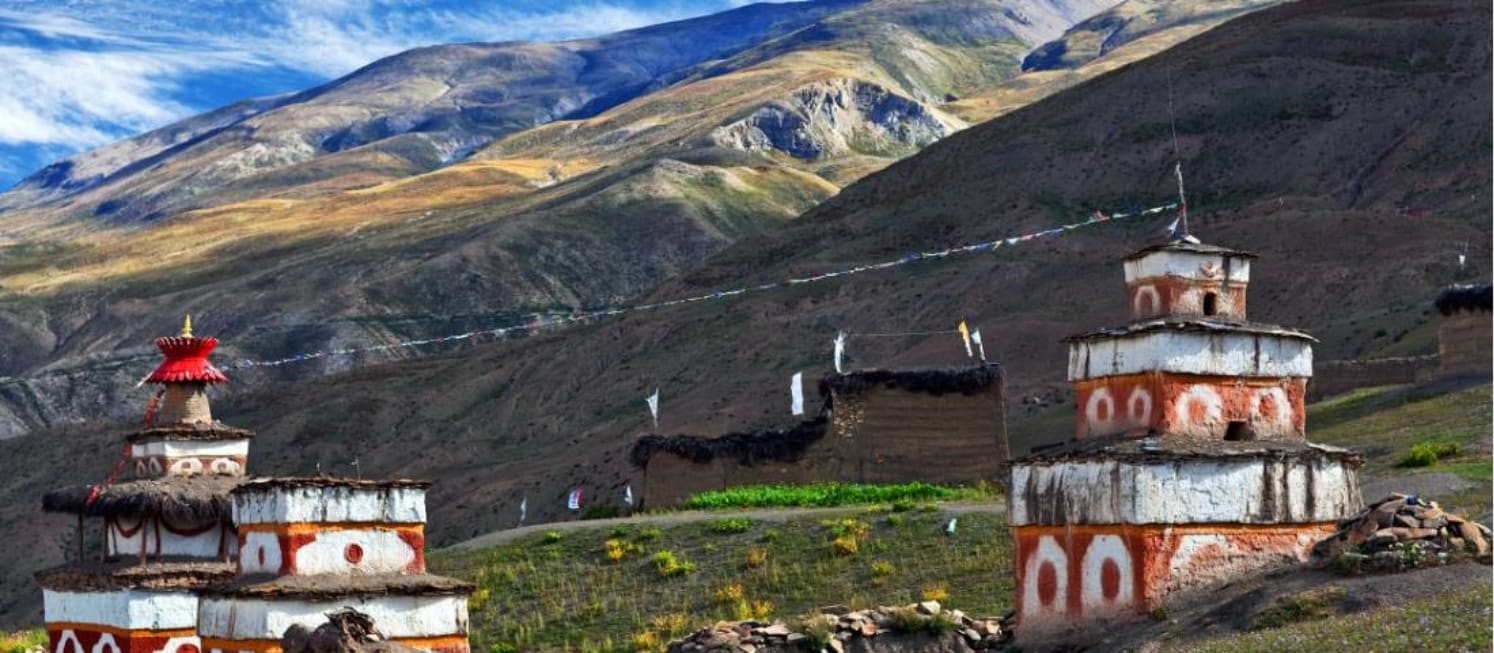
  • Experience the unique Tibetan Buddhist and Bon cultures preserved for centuries in remote mountain villages.
  • Explore traditional settlements including Ringmo, Dho Tarap, Saldang, Tokyu, and Yangze.
  • Witness dramatic landscapes ranging from deep river gorges and pine forests to barren high-altitude plateaus.
  • Follow ancient trans-Himalayan trade routes once used by traders traveling between Nepal and Tibet.
  • Visit centuries-old monasteries, chortens, mani walls, and sacred Buddhist landmarks.
  • Enjoy panoramic views of Crystal Mountain, Kanjiroba Himal, Dhaulagiri ranges, and surrounding Himalayan peaks.
  • Encounter rare Himalayan wildlife such as blue sheep, Himalayan griffons, musk deer, and snow leopard habitat.
  • Trek through some of Nepal's most remote valleys where traditional lifestyles remain largely unchanged.
  • Experience authentic Himalayan hospitality in isolated villages rarely visited by mass tourism.
  • Complete one of Nepal's most rewarding wilderness treks and discover the hidden kingdom of Dolpa.

Trip Overview

The Dolpa Trek – 25 Days is one of Nepal's most remote, culturally rich, and adventurous trekking experiences. Located in the far western region of Nepal, Dolpa remains largely untouched by modern development, preserving its ancient traditions, pristine landscapes, and unique Himalayan culture. This remarkable journey takes trekkers deep into a land of dramatic mountain scenery, turquoise alpine lakes, sacred monasteries, high mountain passes, and traditional Tibetan-influenced villages.

The trek begins with flights from Kathmandu to Nepalgunj and onward to Juphal, the main gateway to the Dolpa region. From Juphal, the trail gradually enters the wilderness of Shey Phoksundo National Park, Nepal's largest national park and one of the country's most important conservation areas. Along the way, trekkers pass through charming villages, dense pine forests, spectacular waterfalls, and rugged river valleys before reaching the magnificent Shey Phoksundo Lake.

One of the major highlights of the trek is the visit to Shey Gompa, a centuries-old monastery considered one of the most sacred religious sites in Dolpa. Trekkers also cross Kang La Pass (5,360m), one of the highest and most scenic points of the journey, offering breathtaking views of Crystal Mountain and the surrounding Himalayan landscape.

The Dolpa region is renowned for its unique cultural heritage. Influenced by both Tibetan Buddhism and the ancient Bon religion, the area preserves traditions that have disappeared from many other Himalayan regions. Villages such as Ringmo, Dho Tarap, Saldang, Tokyu, and Yangze provide fascinating insight into the daily lives, customs, and beliefs of local communities.

Throughout the trek, travelers experience extraordinary natural diversity. The landscape changes dramatically from lush forests and river valleys to barren high-altitude plateaus, glacial valleys, and snow-capped mountain ranges. Wildlife enthusiasts may encounter blue sheep, Himalayan griffons, musk deer, and signs of the elusive snow leopard that inhabits the remote mountains of Dolpa.

The 25 Days Dolpa Trek is considered moderately to highly challenging due to its remote location, high-altitude passes, long trekking days, and limited infrastructure. However, the rewards are immense. The combination of stunning scenery, authentic culture, spiritual significance, and true wilderness makes this one of the most unforgettable trekking adventures in Nepal.

Whether you are searching for the Dolpa Trek cost, itinerary, difficulty level, permits, or best time to visit, this 25-day journey offers a once-in-a-lifetime opportunity to explore one of the last hidden Himalayan regions on Earth.

Lukla Flight Information

Kathmandu to Nepalgunj Flight

The Dolpa Trek begins with a scenic flight from Kathmandu to Nepalgunj, a bustling city located in the southwestern plains of Nepal near the Indian border. The flight takes approximately 50–60 minutes and offers impressive aerial views of Nepal's diverse landscapes, from fertile lowlands to distant Himalayan peaks.

Nepalgunj serves as the primary transit point for travelers heading to the remote Dolpa region. Depending on flight schedules, trekkers may spend a night in Nepalgunj before continuing their journey.

Nepalgunj to Juphal Flight

The following morning, trekkers board a spectacular mountain flight from Nepalgunj to Juphal Airport, the gateway to Dolpa. The flight lasts approximately 35–45 minutes and provides breathtaking views of the Himalayan foothills, deep valleys, and rugged mountain terrain.

Juphal Airport is one of the most remote airstrips in Nepal, situated at an altitude of approximately 2,475 meters. Due to the mountainous environment, flights are highly weather dependent and may occasionally experience delays or cancellations.

Optional Helicopter Charter

For greater flexibility and comfort, helicopter charter services are available between Nepalgunj and Dolpa. Helicopter transfers offer stunning aerial views of Shey Phoksundo Lake, Crystal Mountain, and the surrounding Himalayan landscape while significantly reducing travel uncertainty caused by weather-related flight delays.

Plan Your Trek Schedule

Pick Your Start Date

Click any date below to select your departure day. The calendar will automatically highlight your full 25-day trip window. Use the arrows to browse months.

Trip Duration25 Days
Start / End PointKathmanduKathmandu
July 2026
SuMoTuWeThFrSa
August 2026
SuMoTuWeThFrSa
Group discounts are applied automatically at checkout.

Detailed Itinerary

Trek DistanceN/A
Flight / DriveNone
Highest Altitude1,350m / 4,429ft
Trek DurationN/A

Upon arrival at Tribhuvan International Airport, our representative will warmly welcome you and transfer you to your hotel in Kathmandu. After check-in, you may relax and recover from your journey. In the evening, meet your trekking guide and fellow travelers during a welcome dinner and trip briefing. Overnight in Kathmandu.

AccommodationHotel in Kathmandu
Meals ProvidedDinner

What is Included in This Package

Transportation

  • Round-trip domestic flights: Kathmandu – Nepalgunj – Juphal and return
  • Private airport pick-up and drop-off services in Kathmandu
  • All necessary ground transportation as per itinerary

Accommodations

  • 3 nights hotel accommodation in Kathmandu on a bed-and-breakfast basis
  • 1 night hotel accommodation in Nepalgunj
  • Teahouse accommodation and camping accommodation during the trek as required
  • Twin-sharing accommodation throughout the journey

Food & Drinks

  • Full-board meals (breakfast, lunch, and dinner) during the trek
  • Fresh seasonal fruits during trekking days
  • Tea and coffee during meals
  • Safe drinking water purification support
  • Welcome and farewell dinners in Kathmandu

Guide & Porter

  • Government-licensed, experienced English-speaking trekking guide
  • Assistant guide for larger groups
  • Necessary porter support during the trek
  • Cook and kitchen staff during camping sections

Permits & Fees

  • Shey Phoksundo National Park Entry Permit
  • Restricted Area Permit for Upper Dolpa
  • All local government taxes and trekking fees

Other info

  • First-aid medical kit
  • Oxygen saturation monitoring (Oximeter)
  • Emergency rescue coordination assistance
  • Trek completion certificate
  • Company duffel bag and trekking map
  • Free luggage storage during the trek

What is Excluded from This Package

Accommodations

  • Extra hotel nights in Kathmandu due to early arrival, late departure, or flight delays

Guide & Porter Tips

  • Tips for guides, porters, and support staff

Personal Expenses & Gear

  • Nepal tourist visa fees
  • Personal travel insurance
  • Emergency helicopter evacuation costs
  • Hot showers, Wi-Fi, battery charging, and personal communication expenses
  • Laundry services
  • Personal trekking equipment and clothing

Other Exclusions

  • Any costs arising from natural disasters, weather delays, political disturbances, or unforeseen circumstances

Food & Drinks

  • Lunch and dinner in Kathmandu except welcome and farewell dinners
  • Bottled drinks, alcoholic beverages, and soft drinks
  • Personal snacks and energy bars

Dolpa Trek - 25 Days — Important Trip Info

Your Dolpa Trek adventure begins in Kathmandu, the vibrant capital city of Nepal. Upon arrival at Tribhuvan International Airport, our representatives will warmly welcome you and assist with your transfer to the hotel. Kathmandu offers an excellent introduction to Nepal's rich cultural heritage through its ancient temples, bustling markets, and UNESCO World Heritage Sites.

We recommend arriving at least one day before the trek departure date to allow sufficient time for rest, permit processing, equipment checks, and pre-trek briefings.

Before and after the trek, you will stay in comfortable tourist-standard hotels in Kathmandu. Most accommodations provide modern facilities including private rooms, Wi-Fi, hot showers, restaurants, and luggage storage.

The popular tourist district of Thamel offers numerous restaurants, trekking gear shops, cafés, and cultural attractions, making it an ideal base before beginning the expedition.

Dolpa is one of Nepal's most remote and culturally preserved regions. For centuries, the area remained isolated from the outside world due to its challenging geography and high mountain barriers. As a result, Dolpa successfully preserved ancient Tibetan traditions, language, religion, and lifestyle.

Historically, Dolpa served as an important trade route connecting Nepal and Tibet. Salt, wool, grains, and livestock were transported through the high mountain passes, contributing significantly to the region's economic and cultural development.

Today, Dolpa remains one of the few places in the Himalayas where traditional Tibetan culture continues to thrive largely unchanged.

Geography of the Dolpa Region

Dolpa lies in western Nepal and contains some of the country's most dramatic mountain landscapes. The region is characterized by deep river valleys, alpine lakes, rugged cliffs, barren plateaus, and snow-covered mountain peaks.

• Shey Phoksundo Lake – Nepal's deepest lake

• Crystal Mountain – A sacred pilgrimage peak

• Kang La Pass – 5,360m

• Sela Pass – 5,094m

• Kanjiroba Himal Range

• Shey Phoksundo National Park

• Dho Tarap Valley

The diverse geography creates extraordinary scenery and supports a wide variety of wildlife and ecosystems.

Shey Phoksundo Lake is the crown jewel of Dolpa and one of Nepal's most spectacular natural wonders. Situated at an altitude of approximately 3,611 meters, the lake is renowned for its stunning turquoise waters, dramatic cliffs, and pristine wilderness surroundings.

The lake was featured in the famous film "Himalaya" and continues to attract trekkers, photographers, and nature enthusiasts from around the world. Its crystal-clear waters and breathtaking scenery make it one of the most photographed destinations in Nepal.

Shey Gompa is among the most sacred monasteries in Dolpa and holds immense spiritual significance for local communities. Believed to be over 800 years old, the monastery serves as a major pilgrimage site for Tibetan Buddhists.

Surrounded by spectacular mountain scenery, Shey Gompa preserves ancient religious traditions and houses important Buddhist artifacts, manuscripts, and sacred statues. Pilgrims often perform the ritual circuit around Crystal Mountain, which is believed to bring spiritual merit and blessings.

Dolpa is one of the most culturally preserved regions in Nepal, where ancient Tibetan traditions continue to flourish. Due to its geographical isolation, the region has maintained its unique customs, language, dress, architecture, and religious practices for centuries.

The people of Dolpa primarily follow Tibetan Buddhism and the ancient Bon religion, which predates Buddhism. Throughout the trek, visitors encounter colorful prayer flags, mani walls, chortens, monasteries, and sacred sites that reflect the region's deep spiritual heritage.

Traditional villages such as Ringmo, Dho Tarap, Saldang, Tokyu, and Yangze provide valuable insight into the daily lives of local communities. Many residents still practice traditional farming, yak herding, and trans-Himalayan trade, preserving a lifestyle that has remained largely unchanged for generations.

• Trek with licensed guides

• Follow guide instructions

• Maintain a steady walking pace

• Stay hydrated throughout the journey

• Carry proper clothing and equipment

• Avoid unnecessary risks at high altitude

• Report any health concerns immediately

• Carry personal medications if required

Kathmandu to Nepalgunj Flight

The first stage of the journey involves a domestic flight from Kathmandu to Nepalgunj. This flight typically takes approximately one hour and connects Nepal's capital with the western region.

Nepalgunj to Juphal Flight

The second flight takes trekkers into the heart of Dolpa. Juphal Airport serves as the primary gateway to the trekking region and offers spectacular mountain scenery during the flight.

Weather conditions can occasionally affect schedules, and flexibility is recommended when planning international connections.

• Carry sufficient cash from Kathmandu

• ATM facilities are extremely limited in Dolpa

• Credit cards are generally not accepted in remote villages

• Small denominations are useful for personal expenses

Verified TripAdvisor reviews

What our travellers say

5.0/5 from 10 reviews
Galina G (Russia)

The Manaslu trek is incomparable. It's suitable as a first trek in the Himalayas — plenty of time for acclimatisation and such captivating views that spending time on "altitude sickness" would be a pity. And it's a special pleasure to walk with Krishna. He is a knowledgeable, reliable and brave guide, and a very pleasa…

SAVE $280 PP
Starting Price
$2799$2519USD / PP
⏱️ 25 DaysFrom $2519 PP
Group Size Discounts
PersonsPrice PP
1 Person$2519
2–3 Persons$2418
4–7 Persons$2317
8–13 Persons$2217
WhatsApp Us
K
Expert Advisor

Kafle

Senior Himalayan Specialist

“Namaste! I have been guiding in the Himalayas for over 15 years. Contact me directly to customize your itinerary or check live trail conditions.”

Secure Booking System

Your checkout session is secure and encrypted by 256-bit SSL. Associated with TAAN, KEEP, NMA, and registered with Nepal Tourism Board.

StripePayPaleSewaKhaltiSWIFT
Helicopter evacuation and oxygen safety setups verified.

FAQs For Dolpa Trek - 25 Days

💪Physical Readiness & Training

The Dolpa Trek – 25 Days is considered a challenging trek due to its long duration, remote location, high mountain passes, and limited facilities. Trekkers should be physically fit and mentally prepared for several consecutive days of walking at high altitudes.

Previous trekking experience is highly recommended but not mandatory. Individuals with good fitness levels and proper preparation can successfully complete the trek under the guidance of experienced trekking leaders.

A good level of physical fitness is essential. Trekkers should be comfortable walking 5–8 hours per day on uneven mountain trails while carrying a light daypack.

Preparation should include regular cardiovascular exercises such as hiking, jogging, cycling, swimming, and stair climbing. Strength training for the legs and core is also beneficial. Training at least six to eight weeks before the trek is recommended.

Yes, beginners with strong physical fitness, determination, and adequate preparation can join the trek. However, previous experience on multi-day hikes is advantageous because of the challenging terrain and altitude.

Most trekking days involve walking between 5 and 8 hours, depending on the route, weather conditions, and altitude. Some days involving mountain passes may require longer walking hours.

The highest point of the Dolpa Trek is Kang La Pass, which stands at approximately 5,360 meters above sea level and offers magnificent panoramic views of the Himalayan landscape.

Proper acclimatization, staying hydrated, eating nutritious meals, maintaining a steady pace, and following your guide's instructions are the best ways to prevent altitude sickness. Avoid alcohol and smoking during the trek.

Yes, healthy and physically active elderly trekkers can successfully complete the trek if they have adequate preparation and medical clearance. Previous high-altitude trekking experience is an additional advantage.

🎫Entry permit

The Dolpa Trek requires several permits, including the Upper Dolpa Restricted Area Permit, Lower Dolpa Restricted Area Permit (depending on the itinerary), and the Shey Phoksundo National Park Entry Permit.

The Upper Dolpa Restricted Area Permit is a special permit issued by the Government of Nepal that allows trekkers to enter the protected and culturally sensitive Upper Dolpa region. Independent trekking is not permitted, and visitors must travel with a registered trekking agency and licensed guide.

Yes, all trekkers entering Shey Phoksundo National Park must obtain an entry permit. The permit helps support conservation efforts and protects the unique biodiversity and cultural heritage of the region.

Yes, most organized trekking packages include all required permits and government fees. Your trekking agency usually arranges the necessary documentation before the trek begins.

No, the Upper Dolpa Restricted Area Permit cannot be obtained independently. Trekkers must book through a registered trekking company and be accompanied by a licensed guide as required by Nepalese regulations.

Permit processing generally takes one to three working days, depending on government procedures and the submission of required documents such as passport copies and visa details.

Permit fees are usually non-refundable once they have been issued by the government, even if the trek is cancelled or postponed due to unforeseen circumstances.

Yes, children also require the necessary permits to enter the Dolpa region. Permit regulations apply to all foreign visitors regardless of age, although some fees may vary depending on government policies.

📋Assurance and Travel permit

Yes, comprehensive travel insurance is highly recommended for the Dolpa Trek. The insurance should cover high-altitude trekking, medical treatment, trip cancellations, and emergency evacuations.

Your travel insurance should specifically cover trekking activities above 5,000 meters, emergency medical expenses, helicopter rescue operations, and unforeseen travel disruptions.

Absolutely. Helicopter evacuation coverage is essential because Dolpa is one of Nepal's most remote regions, and air rescue may be the fastest and safest option during medical emergencies.

In case of a medical emergency, your guide and trekking agency will coordinate rescue operations and arrange helicopter evacuation if necessary. Insurance providers are usually contacted to approve and manage the rescue process.

Although some agencies may allow it, traveling without proper insurance is strongly discouraged due to the remote nature of the Dolpa region and the high costs associated with emergency medical treatment and evacuation.

Yes, trekkers should carry a copy of their travel insurance policy, emergency contact details, and policy number throughout the journey. Digital copies stored on mobile devices are also recommended for additional security.

👥Himalayan Guide & Support Team

Most adventure travel insurance policies cover altitude-related illnesses, provided the policy includes high-altitude trekking activities. Travelers should carefully review their insurance terms before purchasing.

Yes, the Dolpa Trek is led by experienced, government-licensed trekking guides who possess extensive knowledge of the region, local culture, mountain routes, and high-altitude trekking safety.

Yes, all our trekking guides are officially licensed by the Government of Nepal and have received professional training in mountain guiding, first aid, and emergency response procedures.

Yes, our guides communicate effectively in English and can provide valuable information about the history, culture, traditions, and natural environment of the Dolpa region.

Typically, one porter is assigned to carry the luggage of two trekkers. This ensures a comfortable trekking experience while maintaining responsible weight limits for the support staff.

Porters generally carry a maximum load of 20–25 kilograms in total, which means each trekker can usually bring around 10–12 kilograms of personal luggage.

Yes, additional porters can be arranged upon request for trekkers who require extra luggage support. Additional charges may apply depending on the itinerary and trekking season.

Yes, guides carry comprehensive first-aid kits and essential medical supplies. They are also trained to recognize and manage altitude sickness and other common trekking-related health issues.

Absolutely. In case of illness, injury, or adverse weather conditions, guides are fully prepared to coordinate emergency assistance, arrange helicopter evacuations if necessary, and ensure the safety of all trekkers throughout the journey.

🏨Where You Stay & What’s Included

Accommodation during the Dolpa Trek consists of a combination of teahouses, local lodges, and camping in remote areas where teahouse facilities are unavailable. The accommodations are simple but comfortable and offer an authentic Himalayan experience.

You will stay in both teahouses and camps, depending on the location and trekking route. Lower regions generally have basic teahouses, while remote sections of Upper Dolpa may require fully supported camping arrangements.

Private rooms may be available in some villages, especially in lower elevations. However, in remote areas, twin-sharing accommodation is more common due to limited facilities.

Facilities in remote villages are basic and may include shared bedrooms, communal dining halls, simple toilets, and limited electricity. Modern amenities are generally unavailable in higher and isolated settlements.

Hot water is available in some teahouses and lodges, usually for an additional charge. In remote camping areas, hot water for washing may be provided by the support team when possible.

Charging facilities are available in selected villages, often powered by solar energy or local generators. Additional fees may apply for charging electronic devices.

The package generally includes accommodation, meals during the trek, domestic flights, ground transportation, trekking permits, licensed guides, porter services, government taxes, and basic first-aid support.

Personal expenses such as international flights, Nepal visa fees, travel insurance, alcoholic beverages, hot showers, Wi-Fi charges, laundry services, tips for guides and porters, and emergency rescue costs are typically not included in the package price.*-+---

🍽️Meals and Refreshments

The trekking package includes three meals a day: breakfast, lunch, and dinner. Meals are freshly prepared at teahouses or camps and offer a combination of local and international dishes to keep trekkers energized throughout the journey.

Yes, vegetarian meals are widely available during the Dolpa Trek. Popular options include Dal Bhat, vegetable noodles, fried rice, soups, Tibetan bread, potatoes, and seasonal vegetables.

Yes, vegan meals can usually be arranged upon request. Trekkers are encouraged to inform their trekking agency in advance so that guides and kitchen staff can make the necessary arrangements.

Dal Bhat is Nepal's traditional meal consisting of steamed rice, lentil soup, seasonal vegetables, pickles, and sometimes curry. It is nutritious, energy-rich, and one of the most popular meals among trekkers in the Himalayas.

Yes, basic snacks such as biscuits, chocolates, instant noodles, and energy bars are available in some villages. However, options become limited in remote areas, so carrying your favorite snacks from Kathmandu is recommended.

Yes, drinking water is available throughout the trek. Trekkers can refill their water bottles at teahouses, camps, and natural water sources after proper purification.

It is not recommended to drink untreated tap water during the trek. Using water purification tablets, filters, or boiled water is the safest option to avoid waterborne illnesses.

Yes, a variety of hot beverages are available, including black tea, milk tea, ginger tea, lemon tea, coffee, and hot chocolate. Traditional Tibetan butter tea may also be available in some villages, offering a unique cultural experience.

☀️Weather Patterns & Seasonal Changes

The best seasons for the Dolpa Trek are spring (March to May) and autumn (September to November). These months offer stable weather, clear mountain views, and comfortable trekking conditions.

Spring brings mild temperatures, blooming rhododendron forests, and excellent visibility. It is one of the most popular seasons for trekking in Dolpa due to its pleasant climate and beautiful natural scenery.

Autumn offers clear skies, dry trails, and breathtaking views of the Himalayan peaks. The weather is generally stable, making it an ideal time for long and challenging treks in the Dolpa region.

Yes, winter trekking is possible, but it can be extremely challenging due to heavy snowfall, freezing temperatures, and blocked mountain passes. Proper equipment and experience are essential for winter expeditions.

Unlike many other regions of Nepal, Dolpa lies in a rain-shadow area behind the Himalayas. Therefore, it receives relatively less rainfall during the monsoon season, although lower elevations may still experience occasional rain.

Autumn is generally considered the best season for crystal-clear mountain views, while spring also provides excellent visibility combined with colorful blooming landscapes.

Temperatures vary depending on the season and altitude. During spring and autumn, daytime temperatures range from 10°C to 20°C at lower elevations, while higher regions can experience temperatures below freezing, especially at night.

Trekkers should pack layered clothing, waterproof jackets, warm sleeping bags, gloves, hats, and appropriate trekking gear. Weather in the Himalayas can change rapidly, so being prepared for different conditions is essential for a safe and comfortable journey.

🏥Health Protection & Safety

Yes, the Dolpa Trek is generally safe when undertaken with experienced guides, proper planning, and adequate preparation. Following safety guidelines and acclimatization schedules significantly reduces potential risks during the journey.

Common symptoms of altitude sickness include headaches, dizziness, nausea, loss of appetite, fatigue, shortness of breath, and difficulty sleeping. Trekkers should immediately inform their guide if any symptoms occur.

Professional guides regularly monitor trekkers' health by observing symptoms, encouraging proper hydration, maintaining a gradual ascent, and using pulse oximeters to check oxygen saturation levels at higher elevations.

Medical facilities in Dolpa are very limited, especially in remote areas. Basic health posts are available in some villages, but advanced medical treatment may require evacuation to larger cities.

In case of a medical emergency, guides will provide immediate first aid and coordinate rescue operations if necessary. Depending on the severity of the situation, helicopter evacuation can be arranged to the nearest medical facility.

Yes, helicopter rescue services are available in the Dolpa region. However, emergency evacuations are expensive, so comprehensive travel insurance that includes helicopter rescue coverage is strongly recommended.

Yes, trekkers should bring their personal medications, including prescription medicines, pain relievers, altitude sickness medication, and basic first-aid supplies to ensure their health and comfort during the trek.

To stay healthy, drink plenty of water, eat nutritious meals, maintain a steady walking pace, get sufficient rest, practice good hygiene, and follow your guide's advice regarding acclimatization and safety procedures.

🎒Equipment & Packing List

Essential equipment includes sturdy trekking boots, a warm sleeping bag, down jacket, thermal clothing, trekking poles, a headlamp, sunglasses, gloves, a water bottle, and a personal first-aid kit. Proper gear ensures comfort and safety throughout the journey.

Yes, a high-quality sleeping bag rated for temperatures below freezing is highly recommended. Nights in the higher regions of Dolpa can be extremely cold, especially during spring, autumn, and winter.

You should bring waterproof, well-broken-in trekking boots with good ankle support and durable soles. Comfortable footwear is essential for walking on rocky and uneven mountain trails.

Although not mandatory, trekking poles are strongly recommended. They provide better balance, reduce pressure on the knees, and offer additional support when crossing steep ascents, descents, and rugged terrain.

It is advisable to pack multiple layers, including: • Base layers for moisture management • Insulating layers such as fleece jackets • A warm down jacket for high altitudes • Waterproof and windproof outer layers Layering helps you adapt to changing weather conditions throughout the trek.

Yes, Kathmandu offers numerous trekking shops where you can rent or purchase essential equipment such as sleeping bags, down jackets, trekking poles, and backpacks at affordable prices.

Yes, waterproof jackets, pants, and backpack covers are highly recommended. Even though Dolpa lies in a rain-shadow region, unexpected rain, snow, and strong winds can occur at higher elevations.

A daypack of 30–40 liters is ideal for carrying daily essentials such as water, snacks, extra clothing, cameras, and personal items. Your main luggage will typically be carried by porters during the trek.

💳Trip Booking & Payment Policy

You can book the Dolpa Trek through a registered trekking agency by selecting your preferred travel dates and confirming your reservation. Early booking is recommended, especially during the peak trekking seasons of spring and autumn.

Most trekking agencies require an advance deposit of 20% to 30% of the total trip cost to secure your booking, permits, domestic flights, and other logistical arrangements.

The remaining balance is typically due upon arrival in Nepal or before the trek begins, depending on the company's payment policy. It is advisable to confirm the payment schedule in advance.

Most agencies accept various payment methods, including bank transfers, credit cards, online payment platforms, and cash payments in Nepalese Rupees or major foreign currencies.

Yes, many trekking companies allow final payment upon arrival in Nepal. However, the initial deposit is usually required in advance to confirm your booking and process the necessary permits.

Cancellation policies vary among trekking agencies. Generally, cancellations made well in advance may qualify for partial refunds, while permit fees, flight tickets, and other administrative expenses are often non-refundable.

Yes, departure dates can usually be changed subject to availability and permit regulations. Informing the trekking agency as early as possible helps ensure smooth rescheduling.

Reputable trekking companies maintain transparent pricing with no hidden charges. However, personal expenses such as travel insurance, tips, beverages, laundry, hot showers, Wi-Fi, charging fees, and emergency evacuation costs are generally not included in the package price.

✈️Flights & Ground Transport

The Dolpa Trek usually begins with a flight from Kathmandu to Nepalgunj, followed by another domestic flight to Juphal, which serves as the gateway to the Dolpa region. From Juphal, the trekking adventure officially starts.

The standard flight route is Kathmandu → Nepalgunj → Juphal at the beginning of the trek and Juphal → Nepalgunj → Kathmandu upon completion of the journey.

The flight from Kathmandu to Nepalgunj takes approximately 50 to 60 minutes and offers beautiful aerial views of Nepal's diverse landscapes.

The Nepalgunj to Juphal flight usually takes around 35 to 40 minutes. This scenic mountain flight provides spectacular views of the Himalayan foothills and the remote Dolpa region.

Yes, domestic flights to and from Dolpa can occasionally be delayed or rescheduled due to changing weather conditions, especially during the monsoon and winter seasons. Trekkers are advised to keep a few extra buffer days in their itinerary.

If flights are cancelled because of unfavorable weather or other unforeseen circumstances, your trekking agency will help arrange alternative travel plans or reschedule flights as soon as conditions improve. Additional accommodation and personal expenses may apply.

Yes, private helicopter transfers can be arranged upon request for greater flexibility, comfort, or emergency situations. Helicopter services are subject to weather conditions and additional costs.

Yes, most Dolpa Trek packages include airport pick-up and drop-off services in Kathmandu. A company representative will welcome you upon arrival and assist with your transfer to the hotel.

From
$2418USD / PP
Nature Heaven Logo
NATURE HEAVENTrekking & Expedition

Nature Heaven Trekking is a government-licensed, premier adventure operator in Nepal. We lead customized private trekking, peak climbing, and cultural tours across the Himalayas.

Subscribe our Newsletter

Emergency SOS (24/7):

Phone: +977-9851218358

WhatsApp: +977-9851218358

Head Office - Nepal:

Pakjonal Marga -16, Thamel, Kathmandu, Nepal

Branch Office - UK:

London, United Kingdom

Hiker Silhouette
We Accept
SECURED BY SECTIGO
PayPal
Mastercard
SWIFT Transfer
Visa
We are associated with
TAAN LogoNMA LogoNTB LogoKEEP LogoGOV LogoHRA Logo
Connect with us