

Everest Expedition Highlights
- The ultimate achievement of standing on top of Mount Everest at 8,848.86 m, fulfilling the dream of reaching the highest point on Earth after a challenging and unforgettable expedition.
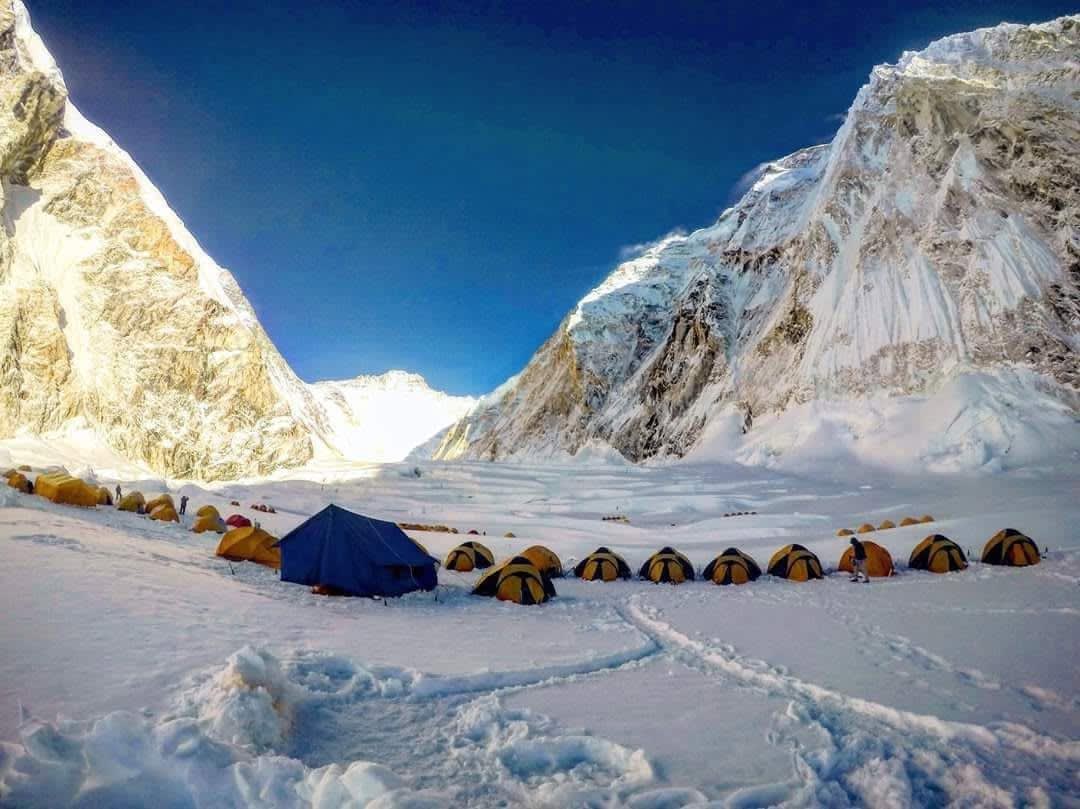
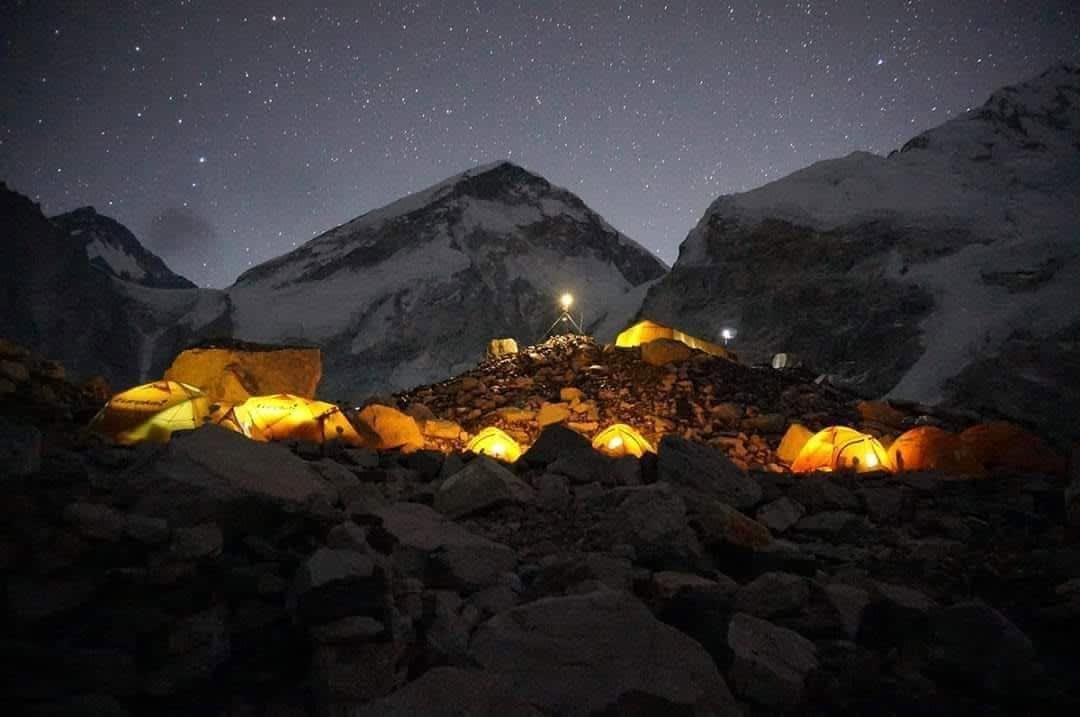
- Thrilling nights of camping in the heart of the Himalayas, surrounded by snow-covered peaks, glaciers, and the spectacular high-altitude landscape of the Everest region.
- An incredible trekking journey through Sagarmatha National Park, exploring its dramatic valleys, suspension bridges, alpine forests, glaciers, and iconic Himalayan landmarks along the way.
- Breathtaking panoramic views of the Khumbu Himalayas, including Everest, Lhotse, Nuptse, Ama Dablam, Thamserku, Pumori, Lobuche, and the magnificent Khumbu Glacier.
- Authentic Sherpa culture and Himalayan traditions, with opportunities to experience welcoming Sherpa communities, ancient monasteries, traditional Buddhist practices, and the unique spiritual atmosphere of the Khumbu.
- A memorable exploration of Kathmandu’s rich heritage, discovering its historic temples, monasteries, traditional streets, cultural landmarks, and vibrant local atmosphere before and after the expedition.
- Two nights of acclimatization in Namche Bazaar, with time to explore this famous Sherpa town and hike toward the Everest View Hotel for spectacular views of the world's highest mountain.
- An adventurous acclimatization hike toward Nangkartshang Hill in Dingboche, reaching an elevation of around 5,100 m while enjoying magnificent views of Ama Dablam, Makalu, Lobuche, Island Peak, and the surrounding Himalayas.
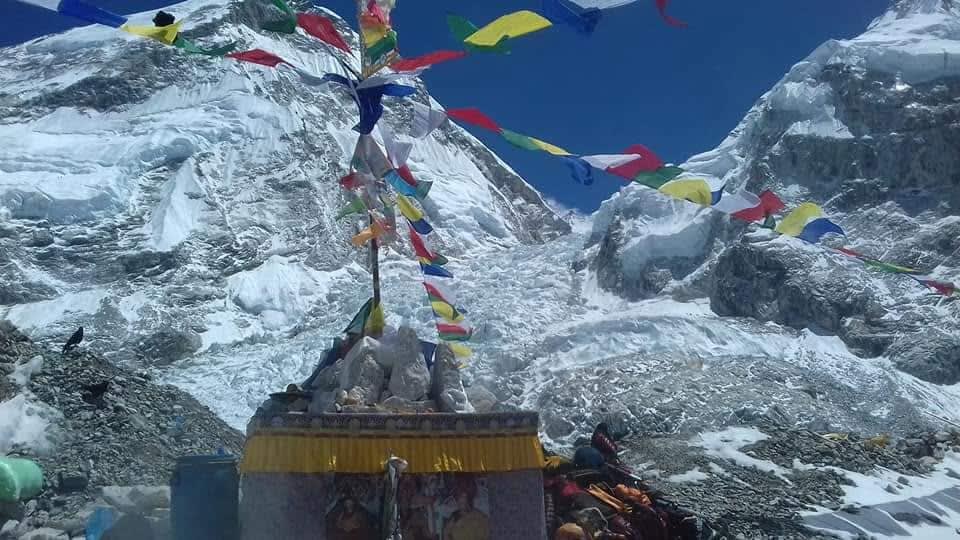
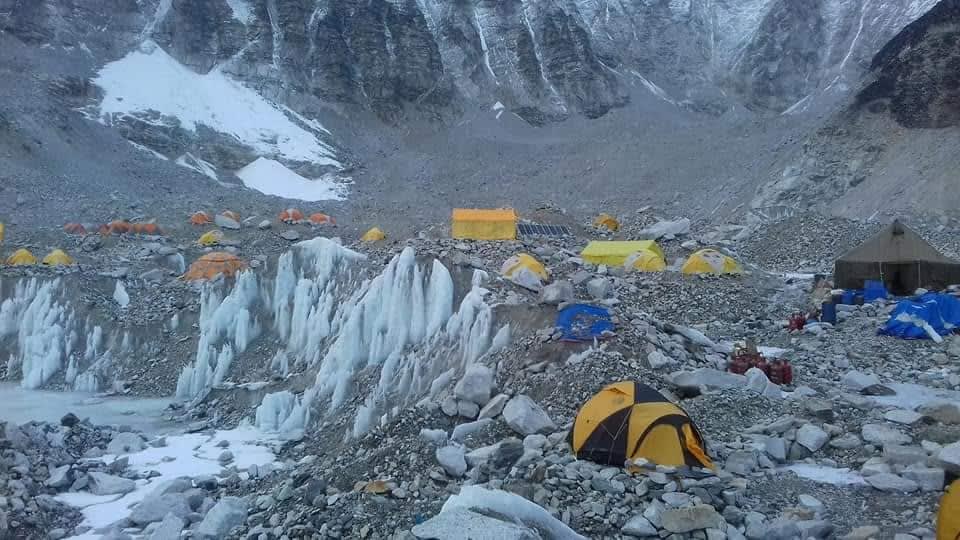
- An unforgettable stay at Everest Base Camp at 5,364 m, experiencing the extraordinary atmosphere of the expedition camp while standing directly beneath the imposing Khumbu Icefall and surrounding Himalayan giants.
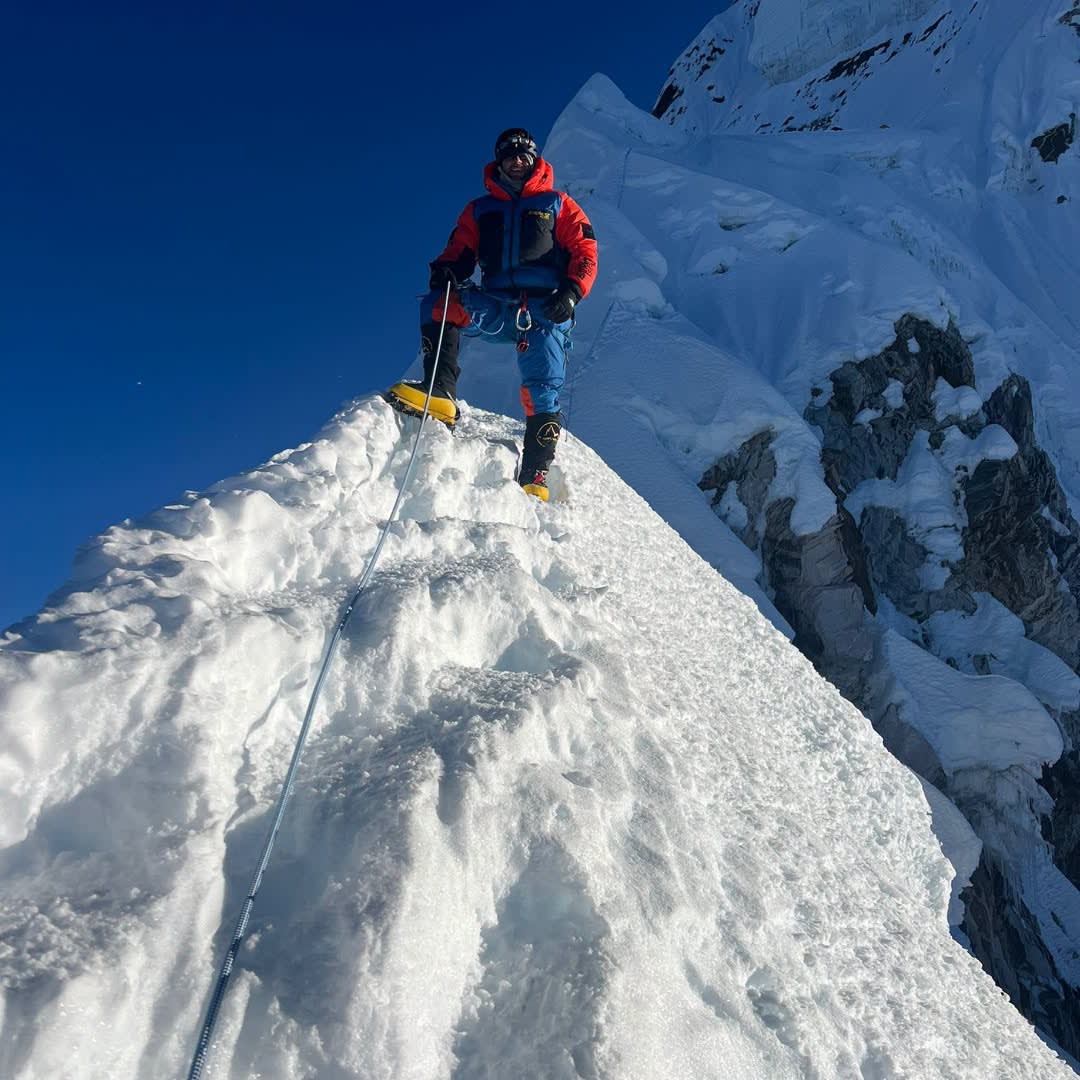
- The opportunity to conquer Lobuche East at 6,119 m, adding another significant Himalayan peak to your mountaineering experience while gaining valuable technical climbing and high-altitude experience before the final Everest summit attempt.
Everest Expedition Overview
60-Day Mount Everest Climbing Expedition in Nepal
The 60 Day Mount Everest Expedition is an extremely demanding high altitude mountaineering expedition for experienced climbers, with the objective of reaching the summit of Mount Everest (8,848.86 m / 29,031.7 ft)- the highest mountain in the world. It's planned for the main Nepali spring climbing season (April to May). It involves a gradual trek through the Khumbu Valley, a series of acclimatisation days, technical climbing training and a summit push. The 60 day timeframe allows for all the expedition logistics, climbing rotations, rest and recovery and the selection of an appropriate window of weather.
Geography and Location of Mount Everest
Everest is in the Mahalangur Himal of the Nepal Himalayas, right on the border between Nepal and Tibet (China). The southern approach is via the Khumbu in Nepal (within Sagarmatha National Park, a UNESCO World Heritage Site). The expedition starts in Kathmandu, with a flight to Lukla, and then you follow the classic Everest Base Camp trekking route through Phakding, Namche Bazaar, Tengboche, Dingboche, Lobuche and Gorakshep.
The Khumbu is a spectacular region with the dramatic Himalayan scenery, deep glacial valleys, rugged mountain terrain and some of the most magnificent peaks on the planet (Lhotse, Nuptse, Ama Dablam, Pumori, Thamserku etc). Everest Base Camp (approx 5364m) is the main base for the Nepal side expedition. Above Base Camp you have the Khumbu Icefall, the Western Cwm, the Lhotse Face and the exposed upper mountain terrain all the way up to the South Col and the summit.
Mount Everest Expedition History and Significance
Mount Everest has a very interesting history in the context of international mountaineering. It was of course the British expeditions in the 20th century which brought it to the world's attention. The first confirmed ascent of Everest was in May 1953 when Sir Edmund Hillary of New Zealand and Tenzing Norgay (the Sherpa from Nepal) reached the summit. That ascent was the defining moment which established Everest as one of the great mountains of the world.
Everest has been climbed by experienced mountaineers, professional climbing teams and high altitude expedition operators from all over the world since the first successful ascent. The modern expedition has access to a whole range of advantages in the way of kit, weather forecasting, communications, oxygen and the use of professional Sherpas. It is still an extremely difficult and potentially dangerous mountain to climb and requires a huge amount of preparation, technical knowhow, physical fitness and a very well run expedition.
Acclimatization and Climbing Preparation
Proper acclimatisation is absolutely one of the most important things in terms of a successful Everest expedition. You have to acclimatise properly and gradually as you go up, allowing your body to get used to the decreasing levels of oxygen. The trek through the Khumbu itself is an opportunity to acclimatise prior to even getting to Everest Base Camp at 5,364 m.
At Base Camp the climbers will be getting their gear sorted, receiving technical training, practising glacier travel, learning how to use the fixed ropes, crossing the ladders and going through all the high altitude safety stuff. The traditional Sherpa Puja is also carried out at Base Camp to seek the blessings and protection of the mountain prior to entering the very hazardous climbing terrain.
An additional acclimatisation objective is Lobuche East Peak (6,119 m) which provides very useful high altitude mountaineering experience. The itinerary will see the expedition progressing through the higher altitude rotations at Camp I, Camp II and Camp III depending on the weather, the climbing schedule and individual fitness.
Mount Everest Climbing Route and High Camps
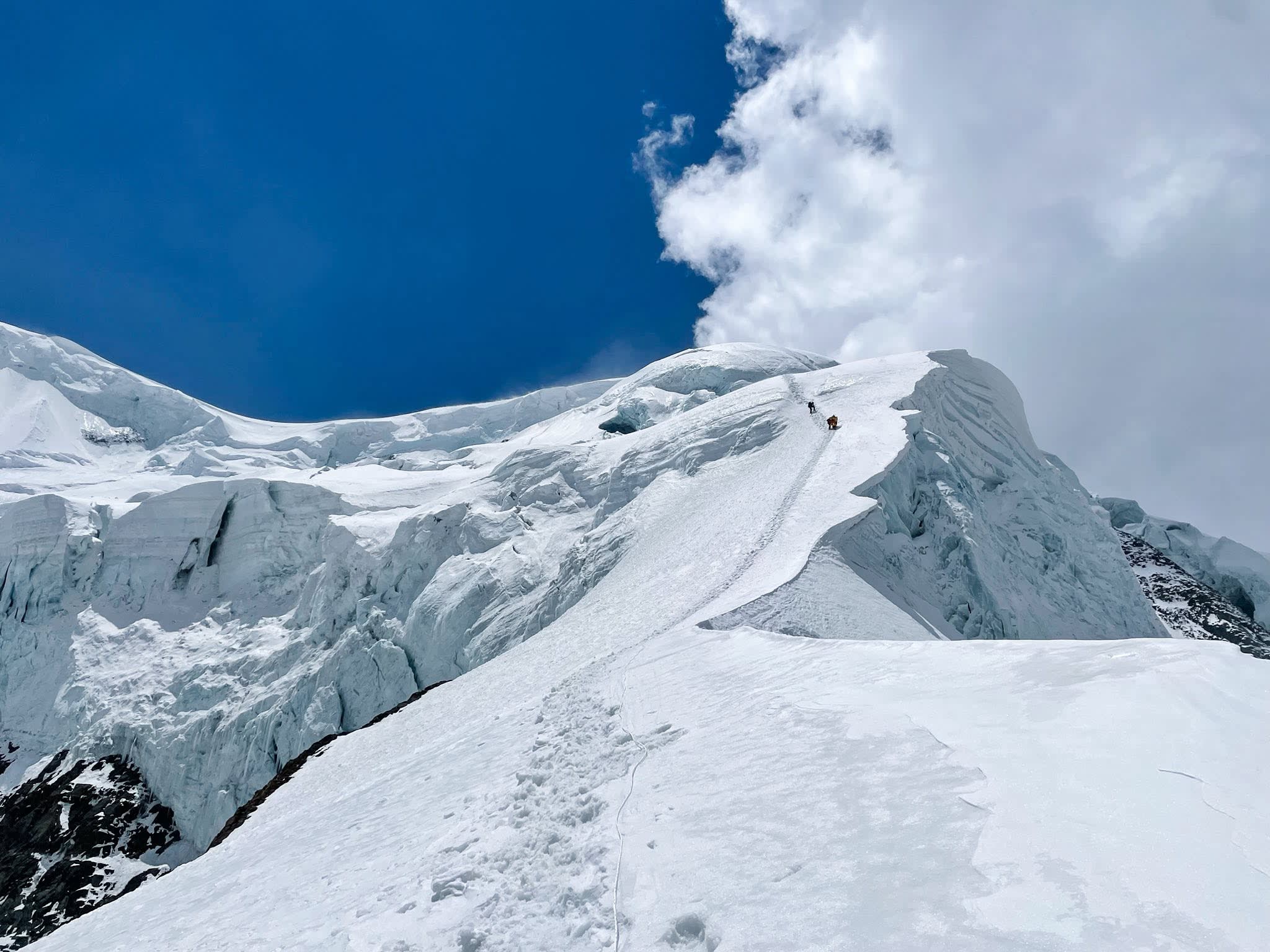
The standard Nepal side Everest route is the South Col route which involves a number of tough sections and the use of the well established high camps.
- Everest Base Camp (5,364m) is the main expedition HQ and the base for the climbing rotations.
- Camp I (approx 6065m) is situated above the Khumbu Icefall and provides access to the Western Cwm.
- Camp II (approx 6400m): In the Western Cwm, normally used as an advanced base camp.
- Camp III (approx 7200m): On the steep Lhotse face, requiring fixed rope.
- Camp IV (Approx 7,900–8,000 m): At the South Col, beginning the final summit push.
From Camp IV it's on to the Balcony, South Summit, Cornice Traverse and the Hillary Step area, up the summit ridge to the top of the mountain. The route will of course vary according to route conditions, snow and ice stability and the season.
Everest Expedition Permits and Regulations
Climbing Everest from the Nepal side requires the appropriate mountaineering permit from the Government of Nepal. The expedition team will need to secure the relevant Everest climbing permit and complete all the requisite admin. Other arrangements will be required including Sagarmatha National Park entry permit, local documentation, expedition liaison (where required) and the requisite climbing and environmental compliance.
Climbers should also have in place comprehensive high altitude mountaineering insurance covering emergency evacuation, medical treatment and helicopter rescue where available. Permit fees, regulations, environmental requirements and insurance terms are all subject to change so you must check all your arrangements with the relevant Nepalese authorities prior to departure.
Best Season for Mount Everest Climbing
The main season for climbing from Nepal is spring (April and May). That's when the teams get their camps set up, do their acclimatisation rotations and are constantly monitoring the weather to find a suitable window for the summit push. A good window is one with reasonable winds and temperatures.
Although spring is the main climbing season, Everest is extremely fickle. You can have strong winds, extreme cold, snowfall, avalanches and all sorts of other mountain conditions which will affect your expedition. A flexible summit window is therefore a vital component of responsible expedition planning.
Why choose a 60 day Everest expedition?
A 60 day Everest expedition gives you plenty of time for the trekking, the acclimatisation, the climbing prep, the high camp rotations and the final summit push. It's a far more flexible programme than a shorter high altitude programme and you can obviously take the time you need to rest, to adjust to the weather and to acclimatise on an individual basis.
With experienced expedition leadership, qualified Sherpa climbing support, professional logistics, appropriate climbing equipment and careful planning, climbers can be fully prepared for the challenging journey to the world's highest peak. The expedition is only suitable for climbers with a proven track record of high altitude mountaineering, excellent physical fitness and the requisite ability to operate in extreme conditions.
The 'Mount Everest Expedition - 60 Days' is more than just a trek or a climbing holiday. It is a full Himalayan mountaineering experience, encompassing the stunning natural beauty of Nepal, the Sherpa culture, the technical mountaineering involved and of course the sheer challenge of actually climbing to the top of Mount Everest.
Flight Information
The Everest Expedition includes scenic domestic mountain flights at the beginning and end of the journey, connecting Kathmandu with the main gateway of the Everest region, Lukla. These flights are an essential part of the expedition logistics and offer spectacular aerial views of the Himalayan landscape.
- Kathmandu/Ramechhap to Lukla: The expedition begins with an early morning flight toward Lukla, located at approximately 2,860 m. The flight takes around 20–30 minutes, depending on operating conditions. During the journey, passengers can enjoy impressive views of the Himalayan ranges before landing at Lukla's famous mountain airstrip.
- Ramechhap Flight Operations: During the busy Everest climbing season, flights to Lukla may operate from Ramechhap Airport (Manthali) rather than Kathmandu. In such cases, an early-morning private road transfer from Kathmandu to Ramechhap will be arranged to connect with the Lukla flight.
- Lukla to Kathmandu/Ramechhap: After completing the Everest expedition and trekking back to Lukla, the team will take a return flight toward Kathmandu or Ramechhap, depending on the prevailing flight schedule and operational conditions. If the flight lands at Ramechhap, a private vehicle will transfer the team onward to Kathmandu.
- Weather & Schedule Flexibility: Flights in the Everest region are highly dependent on weather and operational conditions. Delays or schedule changes can occur, so the itinerary includes additional flexibility to accommodate possible flight disruptions without affecting the overall expedition plan.
- A Memorable Start and Finish: The Lukla flights provide a dramatic beginning and conclusion to the expedition, transitioning from the busy Kathmandu Valley to the remote Himalayan environment and, after the climb, bringing the team safely back from the mountains to Kathmandu.
Everest Expedition Photo Gallery
Plan Your Everest Expedition Dates
Pick Your Start Date
Click any date below to select your departure day. The calendar will automatically highlight your full 66-day trip window. Use the arrows to browse months.
Everest Expedition Itinerary
Upon your arrival at Tribhuvan International Airport, our representative will welcome you and transfer you to your hotel in Kathmandu. After completing the check-in formalities, you can take some time to rest and recover from your journey.
Later in the evening, you may explore the nearby streets, local markets, and cultural areas of Kathmandu. This is a relaxed day with no major activities planned, allowing you to prepare mentally for the expedition ahead.
What is Included in This Package
Included
- Airport arrival and departure transfers in Kathmandu as per the expedition schedule.
- Domestic flight between Kathmandu/Ramechhap and Lukla, including the return flight after completing the expedition.
- Private transportation between Kathmandu and Ramechhap when flights operate from Ramechhap during the main climbing season.
- Experienced Everest expedition leader, climbing guides, Sherpa guides, porters, and necessary support staff throughout the expedition.
- Everest expedition permits, national park entry fees, and other required climbing-related permits and official documentation.
- Trekking and expedition arrangements from Lukla through the Khumbu region to Everest Base Camp and back to Lukla.
- Accommodation during the trekking and expedition period as planned in the 60-day itinerary, including lodges during the trekking section and expedition camps at higher elevations.
- Food and drinking water during the trekking and climbing sections of the expedition, according to the expedition's meal plan.
- Everest Base Camp Puja ceremony and essential mountaineering training before entering the technical climbing sections.
- Necessary expedition climbing equipment and group equipment, including fixed ropes and other technical support arranged by the expedition team.
- High-altitude acclimatization rotations, including the Lobuche East climbing rotation and the Everest Camp I, II, and III rotation.
- Required high-altitude expedition logistics, including transportation of expedition equipment and support arrangements between camps.
- Oxygen-related expedition support and high-altitude medical/safety arrangements as specified by the expedition operator.
- Waste collection and camp-cleaning support during the expedition, helping maintain the high-altitude environment.
- Government taxes and applicable local service charges associated with the included expedition services.
What is Excluded from This Package
Excluded
- International airfare to and from Kathmandu, Nepal, including any international flight changes or cancellation charges.
- Nepal visa fees and personal immigration-related expenses.
- Travel insurance, including high-altitude mountaineering and helicopter evacuation coverage.
- Personal climbing and trekking equipment such as personal clothing, expedition boots, down suits, sleeping bags, harnesses, helmets, gloves, goggles, and other individual gear unless specifically listed as provided.
- Personal expenses such as laundry, telephone calls, internet, charging, beverages, snacks, and other items not included in the expedition meal plan.
- Additional hotel nights, meals, transportation, or other expenses resulting from flight delays, bad weather, illness, injury, or changes to the expedition schedule.
- Helicopter evacuation or rescue costs, unless specifically covered by the travel insurance policy.
- Tips and gratuities for climbing guides, Sherpa staff, porters, drivers, and other support personnel.
- Personal medical expenses, medicines, and treatment not covered by the expedition package.
- Any additional costs arising from an extended stay in Kathmandu, Lukla, or the Everest region beyond the scheduled 60-day itinerary.
- Summit-related personal expenses or additional services not specifically mentioned in the expedition package.
- Any other services, equipment, permits, or expenses not specifically mentioned under the “What's Included” section.
What our travellers say
“The Manaslu trek is incomparable. It's suitable as a first trek in the Himalayas — plenty of time for acclimatisation and such captivating views that spending time on "altitude sickness" would be a pity. And it's a special pleasure to walk with Krishna. He is a knowledgeable, reliable and brave guide, and a very pleasa…”
Kafle
Senior Himalayan Specialist
“Namaste! I have been guiding in the Himalayas for over 15 years. Contact me directly to customize your itinerary or check live trail conditions.”
Secure Booking System
Your checkout session is secure and encrypted by 256-bit SSL. Associated with TAAN, KEEP, NMA, and registered with Nepal Tourism Board.