


Langtang Valley Full Trek Highlights
- Explore the spectacular Langtang Valley, surrounded by breathtaking Himalayan peaks and pristine mountain landscapes.
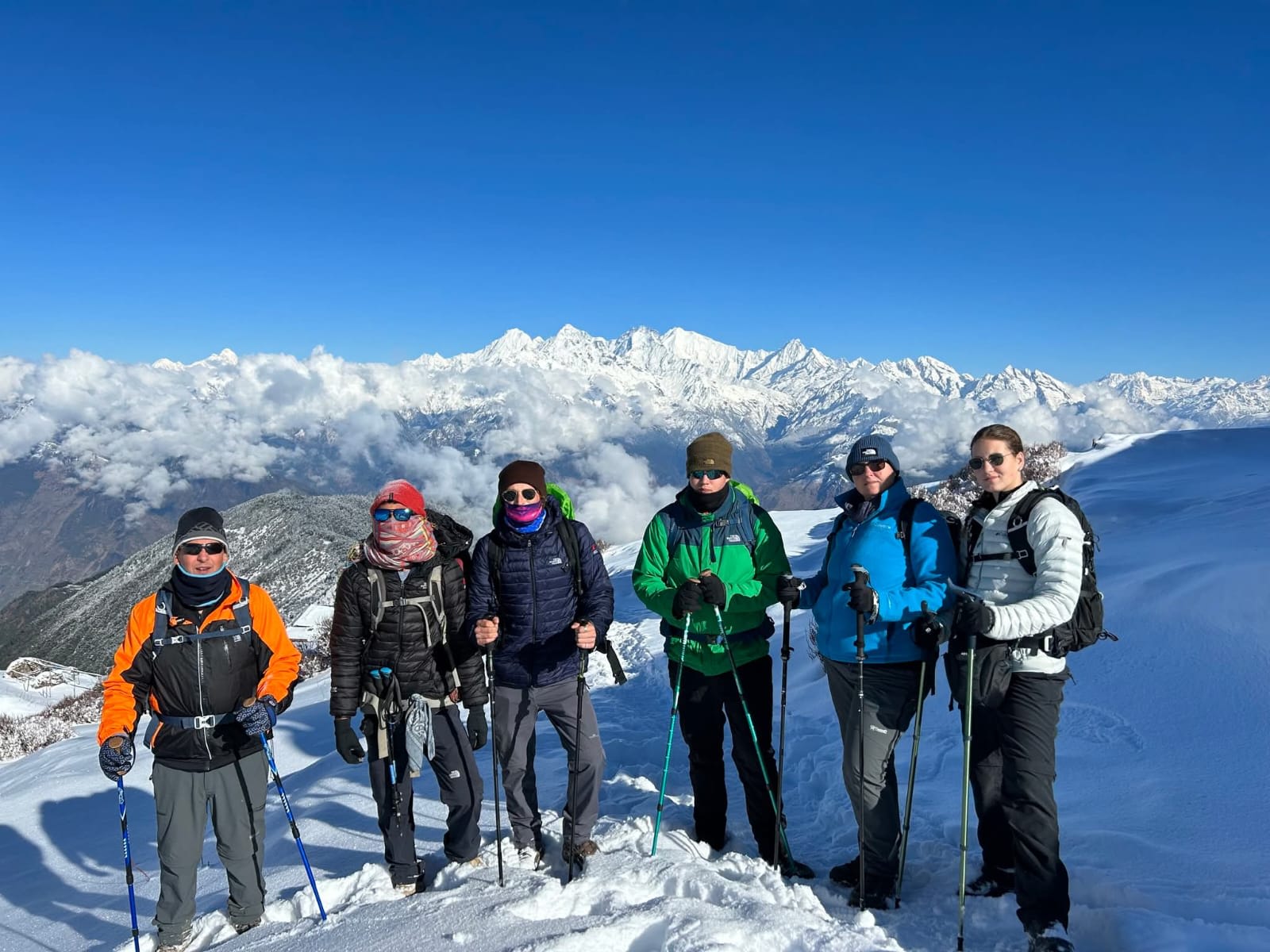
- Enjoy panoramic views of Langtang Lirung, Langtang Ri, Dorje Lakpa, Ganesh Himal, and other surrounding peaks.
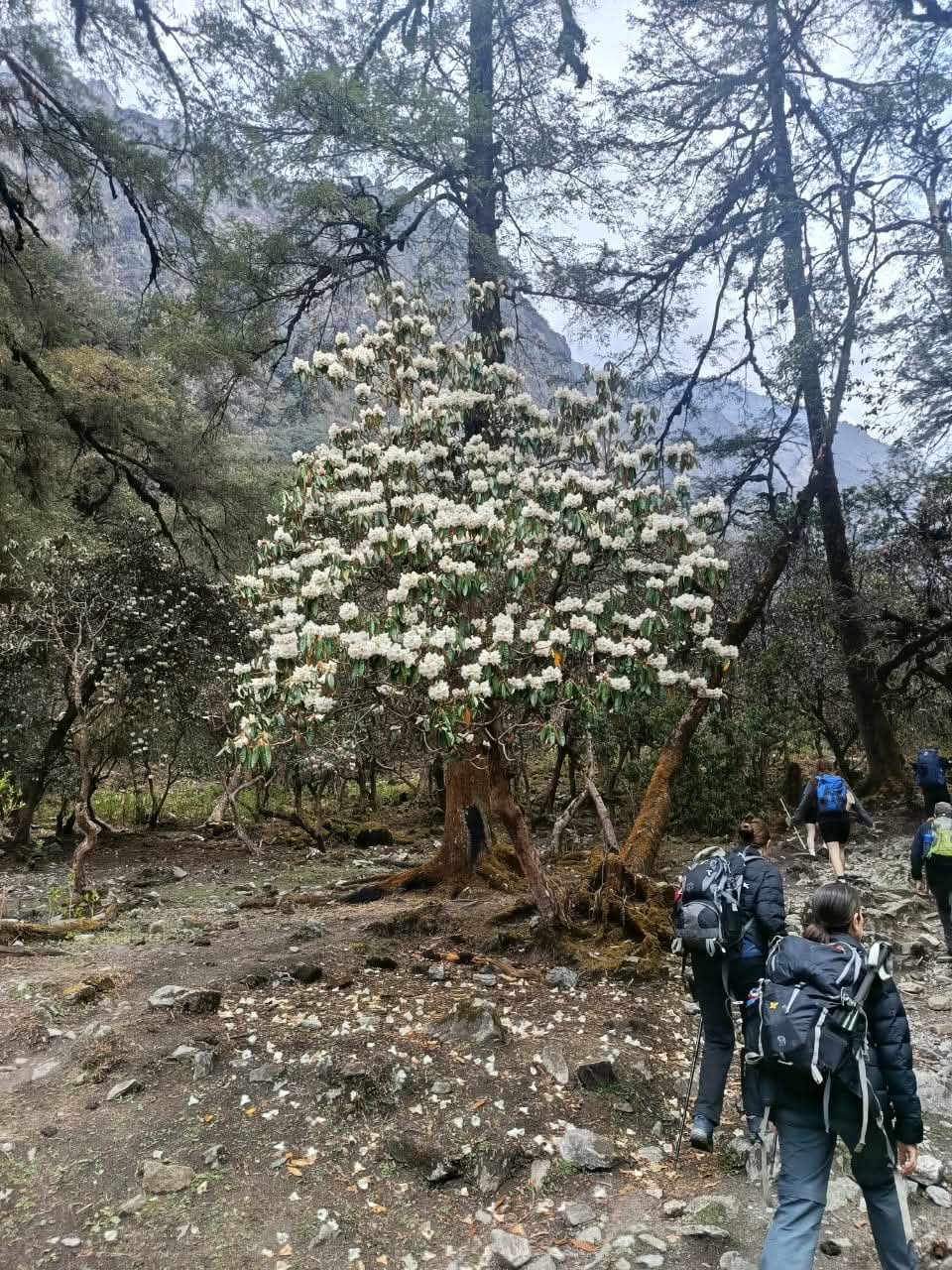
- Trek through beautiful rhododendron, oak, and pine forests within Langtang National Park.
- Experience the traditional Tamang culture, lifestyle, architecture, and warm hospitality of Himalayan mountain communities.
- Visit the historic Langtang Village and discover its traditional settlements, Buddhist culture, prayer flags, and mani walls.
- Explore Kyanjin Gompa, one of the most scenic and culturally significant destinations in the Langtang region.
- Hike to Kyanjin Ri or Tserko Ri for spectacular panoramic views of mountains, glaciers, and the surrounding Himalayan landscape.
- Discover beautiful alpine meadows, yak pastures, waterfalls, rivers, glaciers, and dramatic high-altitude scenery.
- Experience peaceful Buddhist monasteries, chortens, prayer wheels, and sacred Himalayan landmarks throughout the trekking route.
- Complete a rewarding Himalayan adventure combining spectacular nature, authentic culture, mountain scenery, and unforgettable trekking experiences.
Langtang Valley Full Trek Overview
The Langtang Valley Full Trek – 13 Days is a spectacular Himalayan trekking adventure that takes you deep into the beautiful Langtang region of Nepal. Located north of Kathmandu near the Tibetan border, the Langtang Valley is known for its stunning mountain scenery, peaceful forests, traditional villages, Buddhist culture, and diverse Himalayan landscapes. This trek offers an excellent opportunity to experience the natural and cultural beauty of the Himalayas within a rewarding 13-day journey.
The trek begins with a scenic drive from Kathmandu to Syabrubesi, the main gateway to the Langtang region. The journey passes through green hills, terraced farmland, rivers, traditional villages, and beautiful countryside landscapes. From Syabrubesi, the trail follows the Langtang River through dense forests of rhododendron, oak, and pine before reaching Lama Hotel.
As the trek continues, the landscape gradually changes from forested valleys to open Himalayan terrain. The trail passes through traditional Tamang settlements and eventually reaches Langtang Village, where trekkers can experience the local culture, Buddhist traditions, traditional architecture, prayer flags, and mountain hospitality. The surrounding scenery becomes increasingly spectacular as the trail moves deeper into the valley.
One of the major highlights of the trek is Kyanjin Gompa, situated at approximately 3,870 meters. Surrounded by impressive Himalayan peaks, glaciers, alpine meadows, and yak pastures, Kyanjin Gompa provides an ideal place for exploration and acclimatization. Trekkers can enjoy peaceful walks around the settlement and experience the unique high-altitude environment of the Langtang region.
The trek also offers an opportunity to hike to Kyanjin Ri or Tserko Ri. Tserko Ri reaches approximately 4,984 meters and provides breathtaking panoramic views of Langtang Lirung, Langtang Ri, Dorje Lakpa, and other surrounding Himalayan peaks. The viewpoint hike is physically demanding and depends on weather, trail conditions, and individual fitness.
Throughout the journey, trekkers experience the natural diversity of Langtang National Park. The trail passes through beautiful forests, waterfalls, rivers, alpine landscapes, mountain pastures, and rugged Himalayan terrain. The region is also home to diverse Himalayan flora and wildlife, making the trek appealing to both nature lovers and adventure travelers.
The Langtang region is strongly influenced by Tamang and Tibetan Buddhist traditions. Along the trail, travelers encounter monasteries, prayer wheels, chortens, mani walls, prayer flags, and traditional mountain villages. Staying in local teahouses provides opportunities to interact with local communities and experience their traditional lifestyle and warm Himalayan hospitality.
After exploring Kyanjin Gompa and the surrounding high-altitude landscapes, the trail descends through the Langtang Valley toward Lama Hotel and Syabrubesi. The return journey offers different perspectives of the forests, rivers, villages, and mountains before completing the trekking section.
The Langtang Valley Full Trek – 13 Days is considered a moderate to challenging trek because of its long walking days, uneven mountain trails, and high-altitude viewpoint hikes. Proper physical preparation, suitable trekking equipment, gradual acclimatization, hydration, and a steady walking pace are important for a comfortable journey.
Whether you are searching for spectacular Himalayan scenery, traditional Tamang culture, Buddhist heritage, peaceful mountain landscapes, or an exciting high-altitude adventure, the Langtang Valley Full Trek provides a memorable opportunity to explore one of Nepal's most beautiful trekking regions.
Kathmandu to Syabrubesi Road Journey
The Langtang Valley Full Trek begins with a scenic overland journey from Kathmandu to Syabrubesi, the main gateway to the Langtang region. The drive passes through green hills, terraced farmland, rivers, traditional villages, and beautiful countryside landscapes before entering the Himalayan foothills.
The road gradually climbs through winding mountain terrain, offering beautiful views of the surrounding hills and local settlements. Depending on road and weather conditions, some sections can be rough and winding, so flexibility is recommended.
Syabrubesi to Kathmandu Return Journey
After completing the Langtang Valley Trek, trekkers return from Syabrubesi to Kathmandu by road. The journey follows the mountain route through villages, hills, rivers, and countryside landscapes before reaching the Kathmandu Valley.
Travel time may vary depending on traffic, road conditions, weather, and seasonal conditions.
Langtang Valley Full Trek Photo Gallery


Plan Your Langtang Valley Full Trek Dates
Pick Your Start Date
Click any date below to select your departure day. The calendar will automatically highlight your full 13-day trip window. Use the arrows to browse months.
Langtang Valley Full Trek Itinerary
Welcome to Nepal! Today marks the beginning of your exciting Himalayan journey. Upon your arrival at Tribhuvan International Airport in Kathmandu (1,300m/4,260ft), you will be warmly welcomed by a representative from Nature Heaven Trek.
After completing your immigration, baggage collection, and customs formalities, our representative will assist you with your transfer to the hotel. The drive through Kathmandu offers your first glimpse of the lively streets, traditional architecture, temples, and everyday life of the Nepalese capital.
Once you arrive at the hotel, check in, settle into your room, and take some time to relax after your journey. Depending on your arrival time, you may explore the nearby area, enjoy a traditional Nepali meal, or simply rest at the hotel.
Your guide will also provide a brief introduction to the upcoming itinerary and assist with any necessary preparations. Enjoy your first evening in Nepal and get a good night’s rest before the adventure ahead.
What is Included in This Package
Transportation
- Private airport pick-up and drop-off services in Kathmandu.
- Private transportation from Kathmandu to Syabrubesi.
- Private transportation from Syabrubesi to Kathmandu.
- All necessary ground transportation as per the itinerary.
Accommodation
- 3 nights' hotel accommodation in Kathmandu on a bed-and-breakfast basis.
- Teahouse/local lodge accommodation during the trek.
- Twin-sharing accommodation throughout the trekking journey.
- Accommodation at Kyanjin Gompa and other trekking settlements as per the itinerary.
Food & Drinks
- Full-board meals (breakfast, lunch, and dinner) during the trekking period.
- Fresh seasonal fruits during the trek.
- Tea and coffee during meals.
- Safe drinking water purification support.
- Welcome and farewell dinners in Kathmandu.
Guide & Trekking Staff
- Government-licensed, experienced English-speaking trekking guide.
- Assistant guide for larger groups when required.
- Necessary porter support during the trek.
- Guide and porter accommodation, meals, salary, and insurance.
- Necessary trekking staff equipment and support.
Permits & Fees
- Langtang National Park Entry Permit.
- TIMS card where applicable.
- Local government or trekking-related permits where required.
- Applicable government taxes and service charges.
Safety & Support
- First-aid medical kit.
- Oxygen saturation monitoring (Oximeter).
- Emergency rescue coordination assistance.
- Trek completion certificate.
- Company duffel bag and trekking map.
What is Excluded from This Package
Transportation
- International airfare to and from Nepal.
- Additional transportation not mentioned in the itinerary.
- Transportation required due to personal itinerary changes.
Accommodation
- Extra hotel nights in Kathmandu due to early arrival, late departure, or personal itinerary changes.
- Additional accommodation required because of flight, road, weather, or other unforeseen delays.
Food & Drinks
- Lunch and dinner in Kathmandu except welcome and farewell dinners.
- • Bottled drinks, alcoholic beverages, and soft drinks.
- Personal snacks, energy bars, and refreshments.
- Additional meals or beverages outside the stated itinerary.
Personal Expenses
- Nepal tourist visa fees.
- Personal travel and medical insurance.
- Emergency helicopter evacuation and rescue costs.
- Hot showers during the trek.
- Personal communication and phone expenses.
- Wi-Fi/internet charges.
- Sleeping bag and down jacket rental or purchase if required.
- Personal medicines and medical expenses.
Guide & Porter
- Tips for guides, porters, drivers, and other support staff are not included and are at the traveler's discretion.
Other Exclusions
- Personal shopping, souvenirs, donations, and other personal expenses.
- Additional sightseeing or activities not mentioned in the itinerary.
- Costs arising from natural disasters, severe weather, road blockages, political disturbances, or other unforeseen circumstances.
- Any services or expenses not specifically mentioned under the Included section.
Required Equipment List
lothing
Footwear
Trekking Gear
Personal Items
Documents & Money
Electronics
Snacks & Other Essentials
Langtang Valley Full Trek — Important Trip Info
Your Langtang Valley Full Trek adventure begins in Kathmandu, the vibrant capital city of Nepal. Upon arrival at Tribhuvan International Airport, our representatives will warmly welcome you and assist with your transfer to the hotel. Kathmandu offers an excellent introduction to Nepal's rich cultural heritage through its ancient temples, bustling markets, and UNESCO World Heritage Sites.
We recommend arriving at least one day before the trek departure date to allow sufficient time for rest, permit processing, equipment checks, and pre-trek briefings.
Before and after the trek, you will stay in comfortable tourist-standard hotels in Kathmandu. Most accommodations provide modern facilities including private rooms, Wi-Fi, hot showers, restaurants, and luggage storage.
The popular tourist district of Thamel offers numerous restaurants, trekking gear shops, cafés, and cultural attractions, making it an ideal base before beginning the trek.
Trekkers enjoy a variety of local and international meals throughout the journey. Teahouses and lodges provide nutritious food suitable for long days of trekking, with menus varying according to the location and availability of ingredients.
Popular Food Options
• Dal Bhat (rice, lentils, vegetables, and pickles)• Tibetan bread• Noodles and fried rice• Potato dishes• Soups and garlic soup• Momos (dumplings)• Pancakes and porridge• Eggs and chapati
Popular Beverages
• Black tea• Milk tea• Coffee• Hot lemon• Ginger tea• Hot chocolate
Drinking Water
Safe drinking water is available throughout the trek. Trekkers are encouraged to use water purification tablets or filtration systems to ensure safe hydration and minimize plastic waste.
• Langtang Valley – A spectacular Himalayan valley surrounded by high mountains• Langtang Lirung – One of the prominent peaks of the region• Kyanjin Gompa – A scenic high-altitude Buddhist settlement• Kyanjin Ri – A popular viewpoint with panoramic Himalayan scenery• Tserko Ri – 4,984m• Langtang National Park – Home to diverse Himalayan ecosystems• Langtang River – A major river flowing through the trekking valley• Alpine meadows and yak pastures – Beautiful high-altitude landscapes
The diverse geography creates extraordinary scenery and provides a combination of forests, mountain villages, rivers, glaciers, and alpine landscapes.
Kyanjin Gompa
Kyanjin Gompa is one of the major highlights of the Langtang Valley Trek and a beautiful high-altitude destination surrounded by spectacular Himalayan peaks. Situated at approximately 3,870 meters, the area offers impressive views of mountains, glaciers, alpine meadows, and traditional Himalayan landscapes.
Kyanjin Gompa also provides an excellent opportunity for acclimatization and exploration. Trekkers can explore the surrounding area, enjoy the peaceful mountain environment, and prepare for optional hikes to Kyanjin Ri or Tserko Ri.
Kyanjin Ri and Tserko Ri
Kyanjin Ri and Tserko Ri are popular viewpoints above Kyanjin Gompa offering spectacular panoramic views of the Langtang Himalayan range. From these high points, trekkers can enjoy views of Langtang Lirung, Langtang Ri, Dorje Lakpa, glaciers, and surrounding mountain landscapes.
Tserko Ri reaches approximately 4,984 meters and provides a challenging high-altitude hiking experience. The hike requires good physical fitness and depends on weather conditions, trail conditions, and individual trekking ability.
Culture and Traditions of Langtang
Langtang is home to communities with strong Tamang cultural traditions and Tibetan Buddhist influence. The region has preserved its unique customs, language, traditional architecture, religious practices, and mountain lifestyle.
Throughout the trek, visitors encounter colorful prayer flags, mani walls, chortens, prayer wheels, monasteries, and Buddhist landmarks that reflect the spiritual heritage of the region.
Traditional villages and mountain settlements provide valuable insight into local daily life. Many communities continue traditional farming, yak herding, and other mountain-based livelihoods while welcoming trekkers with warm Himalayan hospitality.
Due to the increasing altitude and mountain environment, proper preparation is essential. The primary health concern is Acute Mountain Sickness (AMS), particularly as the trekking route reaches higher elevations.
Common Symptoms of AMS
• Headache• Nausea• Dizziness• Fatigue• Loss of appetite• Difficulty sleeping
Prevention Measures
• Ascend gradually• Stay hydrated• Follow acclimatization schedules• Eat nutritious meals• Maintain a steady walking pace• Inform your guide immediately if symptoms appear
Accommodation varies according to the location and availability of facilities. The Langtang Valley Trek is primarily a teahouse trek, with trekkers staying in local teahouses and lodges along the route.
Lower Region Accommodation
In villages such as Syabrubesi, Lama Hotel, and Langtang Village, trekkers generally stay in comfortable local teahouses and lodges offering basic but welcoming facilities.
Higher Region Accommodation
At Kyanjin Gompa, accommodation is provided in local teahouses and lodges. Facilities are generally basic but suitable for trekkers staying at high altitude.
Facilities Available
• Twin-sharing rooms• Dining halls• Shared bathroom facilities• Basic charging facilities where available• Hot showers at some teahouses for an additional charge• Wi-Fi at some locations where available
Kathmandu to Syabrubesi Road Journey
The first stage of the journey involves a scenic road journey from Kathmandu to Syabrubesi. The route passes through green hills, terraced farmland, traditional villages, rivers, and beautiful Himalayan foothill landscapes.
The journey generally takes around 7–8 hours depending on traffic, road conditions, weather, and seasonal conditions. Some sections of the mountain road can be rough, so flexibility is recommended.
Syabrubesi to Kathmandu Return Journey
After completing the trek, trekkers return from Syabrubesi to Kathmandu by road. The journey follows the mountain route through villages, hills, rivers, and countryside landscapes.
Travel time may vary depending on road and traffic conditions, and the trekking team will make appropriate arrangements when necessary.
Proper equipment is crucial for a successful and comfortable trek in the Langtang Valley.
Recommended Equipment
• Sturdy trekking boots• Warm down jacket• Warm sleeping bag• Thermal base layers• Waterproof jacket and trousers• Trekking poles• Warm gloves and hat• UV-protection sunglasses• Sunscreen and lip balm• Headlamp with spare batteries• Personal first-aid kit• Reusable water bottles
Spring (March–May)
• Clear mountain views• Pleasant temperatures• Blooming rhododendron forests• Excellent trekking conditions
Autumn (September–November)
• Stable weather• Clear skies• Spectacular visibility• Excellent trekking conditions
Winter (December–February)
• Cold temperatures• Snowfall at higher elevations• Fewer trekkers• Challenging conditions at higher elevations
Monsoon (June–August)
• Rainfall in lower regions• Cloudy conditions• Slippery trails• Possible road difficulties• Less favorable trekking condition
Most international visitors can obtain a tourist visa upon arrival at Tribhuvan International Airport in Kathmandu.
Tourist Visa Options
• 15 Days Tourist Visa• 30 Days Tourist Visa• 90 Days Tourist Visa
Requirements
• Passport valid for at least six months• Passport-sized photographs• Completed visa application form• Applicable visa fee
Important Notes
• Visa extensions are available within Nepal• Carry cash for visa fees• Immigration procedures are generally straightforward
The official currency of Nepal is the Nepalese Rupee (NPR).
Payment Tips
• Carry sufficient cash from Kathmandu• Carry small denominations for personal expenses• Credit card facilities may be limited in mountain villages• ATMs may not be available throughout the trekking route
What our travellers say
“The Manaslu trek is incomparable. It's suitable as a first trek in the Himalayas — plenty of time for acclimatisation and such captivating views that spending time on "altitude sickness" would be a pity. And it's a special pleasure to walk with Krishna. He is a knowledgeable, reliable and brave guide, and a very pleasa…”
Kafle
Senior Himalayan Specialist
“Namaste! I have been guiding in the Himalayas for over 15 years. Contact me directly to customize your itinerary or check live trail conditions.”
Secure Booking System
Your checkout session is secure and encrypted by 256-bit SSL. Associated with TAAN, KEEP, NMA, and registered with Nepal Tourism Board.