


Lobuche East peak climbing Highlights
- Summit Lobuche East Peak (6,119m/20,075ft), one of Nepal's most popular trekking peaks.
- Enjoy spectacular views of Mount Everest, Lhotse, Nuptse, Ama Dablam, Pumori, Cholatse, and surrounding Himalayan peaks.
- Follow the legendary Everest Base Camp trekking route through the Khumbu region.
- Explore the vibrant Sherpa town of Namche Bazaar and experience its unique mountain culture.
- Visit the historic Tengboche Monastery, surrounded by spectacular Himalayan scenery.
- Acclimatize in the high-altitude village of Dingboche with panoramic mountain views.
- Trek through the dramatic Khumbu Glacier and Everest Base Camp region.
- Receive professional climbing instruction and summit support from an experienced climbing guide.
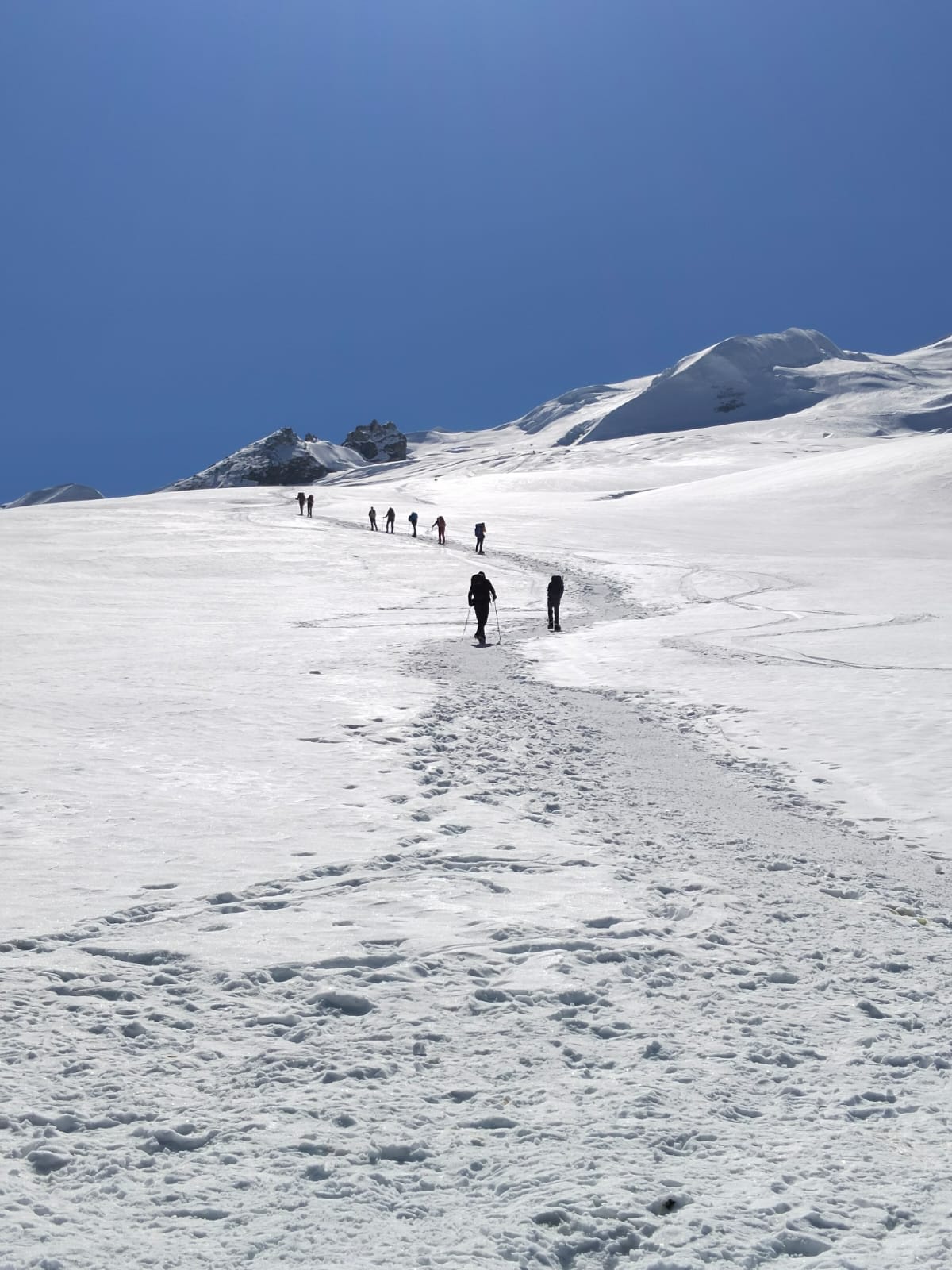
- Experience a challenging high-altitude ascent involving snow, ice, crampons, ropes, and basic mountaineering techniques.
- Complete an unforgettable Himalayan adventure combining trekking, Sherpa culture, and peak climbing in just 16 days.
Lobuche East peak climbing Overview
The Lobuche East Peak Climbing – 16 Days package is an exciting Himalayan adventure that combines the classic Everest Base Camp trekking route with the opportunity to climb Lobuche East Peak at 6,119 meters. It is designed for adventurous trekkers who want to progress beyond high-altitude trekking and experience a genuine Himalayan peak climb.
The journey begins in Kathmandu before a scenic flight to Lukla, the gateway to the Everest region. From Lukla, the trail passes through traditional Sherpa villages, suspension bridges, rhododendron forests, and spectacular mountain landscapes before reaching Namche Bazaar, the cultural and commercial heart of the Khumbu.
As the trek continues, you gradually gain altitude through Tengboche and Dingboche toward the high Himalayan settlement of Lobuche. Acclimatization is an important part of the itinerary, allowing your body time to adjust to the increasing elevation before the climbing section.
The route then leads toward Everest Base Camp and the spectacular Khumbu Glacier region. After experiencing the Everest Base Camp area, you proceed toward Lobuche East Base Camp, where the trekking experience transitions into a mountaineering adventure. A dedicated climbing and acclimatization period provides time to practice essential techniques and prepare for the summit attempt.
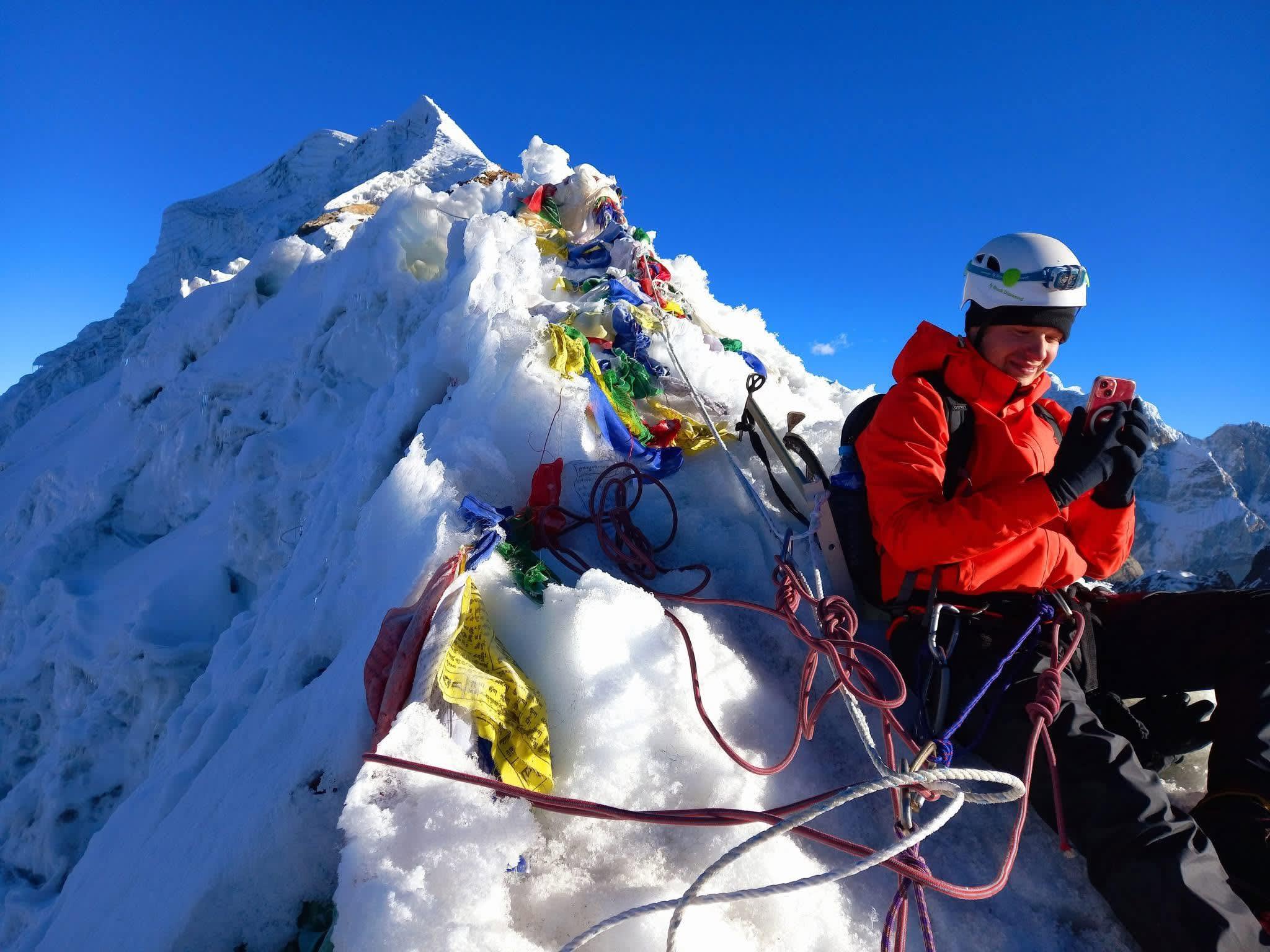
Summit day is the major objective of the expedition. Starting very early, you ascend through snow and glacial terrain using appropriate climbing equipment and techniques under the guidance of an experienced climbing leader. From the summit, you can enjoy magnificent views of Everest, Lhotse, Nuptse, Ama Dablam, Pumori, Cholatse, and many other Himalayan peaks before descending to lower elevations.
The 16 Days Lobuche East Peak Climbing itinerary is physically demanding because of the altitude, long trekking days, steep climbing terrain, and changing mountain conditions. Good physical fitness, proper acclimatization, suitable equipment, and previous high-altitude trekking or basic mountaineering experience are highly recommended. The combination of the Everest Base Camp route and a Himalayan summit makes this a memorable adventure for prepared mountain enthusiasts.
Flight Information
The Lobuche East Peak Climbing – 16 Days itinerary begins and ends with a scenic domestic flight between Kathmandu and Lukla, the main gateway to the Everest region. The flight takes approximately 25–35 minutes, depending on operating conditions.
Kathmandu to Lukla Flight
After your pre-trek briefing in Kathmandu, you take an early morning flight toward Lukla (2,860m). The short mountain flight offers impressive views of Nepal's hills and Himalayan ranges. From Lukla, you begin trekking toward Phakding and continue along the Everest region trail.
Lukla to Kathmandu Flight
After completing the Lobuche East climb and descending back through the Khumbu Valley to Lukla, you take a return flight to Kathmandu. The flight is again approximately 25–35 minutes, subject to weather and airport operations.
Important Flight Note
Lukla flights are weather dependent, and delays or cancellations can occur because of mountain weather and visibility. During busy trekking seasons, particularly spring and autumn, Lukla flights may operate from Ramechhap/Manthali Airport instead of Kathmandu because of air-traffic congestion. In that situation, an overland transfer between Kathmandu and Ramechhap is required.
For this reason, climbers should maintain some flexibility in their international flight schedule and avoid making tight same-day connections after returning from Lukla.
Lobuche East peak climbing Photo Gallery


Plan Your Lobuche East peak climbing Dates
Pick Your Start Date
Click any date below to select your departure day. The calendar will automatically highlight your full 16-day trip window. Use the arrows to browse months.
Lobuche East peak climbing Itinerary
Welcome to Nepal! Today marks the beginning of your exciting Himalayan adventure. Upon your arrival at Tribhuvan International Airport in Kathmandu (1,300m/4,265ft), you will be warmly welcomed by a representative from Nature Heaven Treks & Expedition, who will assist you with your transfer to the hotel.
After checking in, take some time to settle into your room and relax after your journey. Kathmandu is a vibrant city where ancient temples, historic monuments, traditional courtyards, colorful markets, and modern life come together, offering your first introduction to Nepal’s rich cultural heritage.
Depending on your arrival time, you may have some free time to explore the surrounding area, take a gentle walk, enjoy a traditional Nepali meal, or simply rest at the hotel. Your guide will also provide an introduction to the upcoming itinerary and assist you with any necessary preparations.
Enjoy your first evening in Nepal, get a good night’s rest, and prepare for the exciting experiences ahead.
What is Included in This Package
Transportation
- Airport pick-up and drop-off in Kathmandu.
- Domestic flight from Kathmandu to Lukla.
- Domestic flight from Lukla to Kathmandu.
- Domestic flight from Lukla to Kathmandu. Ground transportation in Kathmandu as required by the itinerary.
- Local transportation required for official expedition arrangements.
Accommodation
- Hotel accommodation in Kathmandu on a bed-and-breakfast basis.
- Teahouse/lodge accommodation during the trekking section.
- Camping accommodation at Lobuche East Base Camp and/or High Camp as required by climbing conditions and itinerary.
- Twin-sharing accommodation during the trek.
- Tent, mattress, and necessary camping arrangements during the climbing section.
Food & Drinks
- Breakfast, lunch, and dinner during the trekking and climbing period.
- Full-board meals during camping sections.
- Tea and coffee with meals during the trek.
- Safe drinking-water arrangements or water purification support during the expedition.
- Welcome and farewell dinners in Kathmandu.
Climbing Guide & Support Team
- Experienced, trained, and appropriately licensed trekking/climbing guide.
- Experienced climbing leader for the Lobuche East summit attempt.
- Assistant guide(s) depending on group size.
- Porter support during the trekking section.
- Necessary climbing support staff according to group size and expedition requirements.
Climbing Equipment & Logistics
- Group climbing ropes and necessary technical climbing equipment.
- Climbing tent and camping equipment.
- Crampons, harnesses, ice axe, and other climbing equipment where specifically included in the package.
- Fixed-rope support where required by the climbing route and conditions.
- Pre-climb technical briefing and basic mountaineering instruction.
Permits & Official Fees
- Sagarmatha National Park entry permit.
- Local Khumbu trekking fees where applicable.
- Lobuche East climbing permit.
- Required expedition documentation and official climbing administration.
- Government/local taxes applicable to the package.
Safety & Support
- First-aid medical kit.
- Pulse oximeter for altitude monitoring.
- Emergency communication support.
- Emergency rescue coordination assistance.
- Experienced guide support throughout the expedition.
- Trek/climbing completion certificate.
What is Excluded from This Package
Transportation
- International airfare to and from Nepal.
- Additional domestic flights or transportation caused by itinerary changes not included in the package.
- Extra transportation resulting from personal decisions or early departure.
Accommodation
- Extra hotel nights in Kathmandu caused by early arrival, late departure, flight delays, or itinerary changes.
- Additional accommodation required because of weather or circumstances beyond the standard itinerary unless specifically stated in the package.
Food & Drinks
- Lunch and dinner in Kathmandu except welcome and farewell dinners.
- Bottled water, alcoholic beverages, soft drinks, and specialty drinks.
- Personal snacks, energy bars, and nutritional supplements.
Personal Expenses
- Nepal tourist visa fee.
- Personal travel insurance.
- Emergency helicopter evacuation costs.
- Medical treatment and personal medication.
- Hot showers, Wi-Fi, charging services, and personal communication expenses where charged separately.
- Personal trekking and climbing clothing.
- Personal climbing equipment unless specifically listed as included.
Guide & Porter
- Tips and gratuities for guides, climbing leaders, porters, cooks, and other support staff.
Other Exclusions
- Costs arising from natural disasters, severe weather, flight cancellations, political disturbances, strikes, or unforeseen circumstances.
- Any additional climbing days required because of weather or unsuccessful summit attempts unless specifically agreed.
- Rescue and evacuation expenses.
- Any services not specifically mentioned in the Included section.
Required Equipment List
Clothing
Footwear
Technical Climbing Gear
Bags & Storage
Personal Care & Toiletries
Hydration & Nutrition
Electronics & Documents
Useful Extras
Lobuche East peak climbing — Important Trip Info
Your Lobuche East climbing adventure begins in Kathmandu. Upon arrival at Tribhuvan International Airport, our representative will welcome you and assist with your transfer to the hotel.
We recommend arriving with sufficient time before the scheduled expedition so that you can rest, complete preparations, check equipment, and attend the pre-climb briefing.
You will stay in a comfortable tourist-standard hotel in Kathmandu. Depending on the package, accommodation is generally provided on a bed-and-breakfast basis.
Kathmandu's Thamel area provides convenient access to restaurants, trekking shops, equipment rental stores, cafés, and other services useful for final expedition preparations.
Lobuche East is one of Nepal's well-known trekking peaks and reaches approximately 6,119 meters (20,075 feet) above sea level.
The mountain is located in the Everest region and offers an excellent combination of high-altitude trekking and introductory mountaineering. The summit route can include rocky sections, snow, ice, steep terrain, and fixed-rope climbing depending on the season and current route conditions.
Although Lobuche East is commonly climbed as a trekking peak, it should not be underestimated. Climbers need strong physical fitness, proper acclimatization, appropriate equipment, and the ability to follow technical climbing instructions.
Teahouses and lodges along the Everest route provide a selection of nutritious meals suitable for trekking. Common options include:
- Dal Bhat
- Rice and vegetable dishes
- Noodles
- Fried rice
- Momos
- Sherpa stew
- Potato dishes
- Soups
- Tibetan bread
- Pancakes
- Eggs
- Pasta
- Porridge
Common beverages include:
- Black tea
- Milk tea
- Ginger tea
- Lemon tea
- Hot lemon
- Coffee
- Hot chocolate
At higher elevations, meal choices may become simpler because of limited supplies and logistics.
The Lobuche East expedition reaches more than 6,000 meters, making altitude one of the primary challenges of the trip.
Common Symptoms of Altitude Sickness
- Headache
- Nausea
- Dizziness
- Fatigue
- Loss of appetite
- Difficulty sleeping
- Shortness of breath during exertion
Symptoms should be reported to your guide immediately. Continuing to ascend while experiencing significant altitude-related symptoms can be dangerous.
Altitude Prevention Measures
- Ascend gradually.
- Follow the planned acclimatization schedule.
- Stay well hydrated.
- Eat sufficient nutritious food.
- Avoid excessive alcohol and smoking.
- Maintain a steady walking pace.
- Listen carefully to your guide's instructions.
- Inform the guide immediately about any unusual symptoms.
- Descend if serious altitude-related symptoms develop.
Emergency Evacuation
The Everest region is remote, and evacuation can be affected by weather, altitude, aircraft availability, and other operational conditions.
Travel insurance covering high-altitude trekking, peak climbing, and emergency helicopter evacuation is strongly recommended.
Safety Guidelines
Safety is a major priority throughout the Lobuche East expedition. The combination of high altitude, changing weather, glacier terrain, steep climbing sections, and long summit days requires disciplined preparation.
Essential Safety Practices
- Trek and climb with experienced guides.
- Follow all rope and climbing instructions.
- Use crampons and technical equipment correctly.
- Maintain a safe distance from exposed terrain.
- Keep appropriate clothing accessible.
- Stay hydrated and maintain regular nutrition.
- Avoid unnecessary risks.
- Communicate immediately if you feel unwell.
- Never separate from the climbing group without informing the guide.
- Follow the guide's decision regarding weather and summit conditions.
Proper equipment is essential for Lobuche East.
Recommended Personal Equipment
- Mountaineering/trekking boots suitable for high-altitude conditions
- Warm down jacket
- Waterproof shell jacket and trousers
- Thermal base layers
- Fleece or insulating layers
- Warm climbing trousers
- Four-season sleeping bag
- Warm gloves and summit gloves
- Wool/fleece hat
- Sun hat
- UV-protection sunglasses
- Goggles for summit conditions
- Headlamp with spare batteries
- Trekking poles
- Personal water bottles/hydration system
- Sunscreen and lip balm
- Personal first-aid supplies
- High-altitude sunglasses
- Backpack and daypack
- Duffel bag
Technical Climbing Equipment
Depending on the package arrangement, technical equipment may include:
- Mountaineering harness
- Crampons
- Ice axe
- Climbing helmet
- Ascender/jumar
- Carabiners
- Prusik/safety equipment
- Climbing rope
- Mountaineering boots
- Technical gloves
- Appropriate climbing hardware
Your climbing company should provide a final equipment checklist before departure because equipment requirements can vary according to route conditions and the season.
Hydration is particularly important at high altitude. Trekkers should carry reusable water bottles or hydration systems and use treated, filtered, or otherwise safe drinking water.
Water purification tablets, filters, or other appropriate treatment systems are recommended to reduce the need for single-use plastic bottles.
Spring – March to May
- Generally favorable climbing conditions
- Clear mountain views during stable weather
- Warmer lower-altitude temperatures
- Rhododendron blooms at lower elevations
- Increasingly popular trekking season
Autumn – September to November
- Generally stable post-monsoon conditions
- Clear skies and excellent mountain visibility
- Popular trekking period
- Cold temperatures at higher elevations
- Good opportunities for mountain photography
Winter – December to February
- Very cold conditions
- Increased snowfall at higher elevations
- Freezing temperatures
- More demanding climbing conditions
- Route and summit conditions can vary significantly
Monsoon – June to August
- Rain in lower sections
- Cloud and reduced visibility
- Possible flight disruptions to and from Lukla
- Wet trail conditions in lower elevations
- Less predictable conditions for the overall expedition
Mountain weather can change rapidly at high altitude, so the summit schedule may be adjusted according to actual conditions.
The Lobuche East expedition requires appropriate trekking, national park, and peak-climbing documentation.
Depending on current regulations and the selected expedition arrangement, these may include:
- Sagarmatha National Park Entry Permit
- Local Khumbu/municipal trekking fee where applicable
- Lobuche East climbing permit
- Required expedition registration/documentation
Permit requirements and fees can change according to government regulations and season. A registered trekking and climbing agency normally handles the necessary permit arrangements.
The official currency of Nepal is the Nepalese Rupee (NPR).
Cash is recommended for personal expenses during the trek because ATM access becomes increasingly limited as you move deeper into the Everest region.
Payment Tips
- Carry sufficient Nepalese Rupees before leaving Kathmandu.
- Keep some emergency cash separately.
- Do not rely entirely on card payments at remote lodges.
- Carry small denominations for personal purchases and services.
- Keep payment cards and cash secure during the trek.
Most international visitors can obtain a tourist visa upon arrival at Tribhuvan International Airport in Kathmandu, subject to their nationality and current Nepal immigration regulations.
Travelers should carry:
- Valid passport
- Passport-sized photographs where required
- Completed visa application information
- Applicable visa fee
- Sufficient passport validity
Visa rules and fees can change, so travelers should check the latest official requirements before departure.
What our travellers say
“The Manaslu trek is incomparable. It's suitable as a first trek in the Himalayas — plenty of time for acclimatisation and such captivating views that spending time on "altitude sickness" would be a pity. And it's a special pleasure to walk with Krishna. He is a knowledgeable, reliable and brave guide, and a very pleasa…”
Kafle
Senior Himalayan Specialist
“Namaste! I have been guiding in the Himalayas for over 15 years. Contact me directly to customize your itinerary or check live trail conditions.”
Secure Booking System
Your checkout session is secure and encrypted by 256-bit SSL. Associated with TAAN, KEEP, NMA, and registered with Nepal Tourism Board.