

Langtang Valley Trek Highlights
- Discover the beautiful Langtang Valley, one of the closest and most accessible Himalayan treks to Kathmandu.
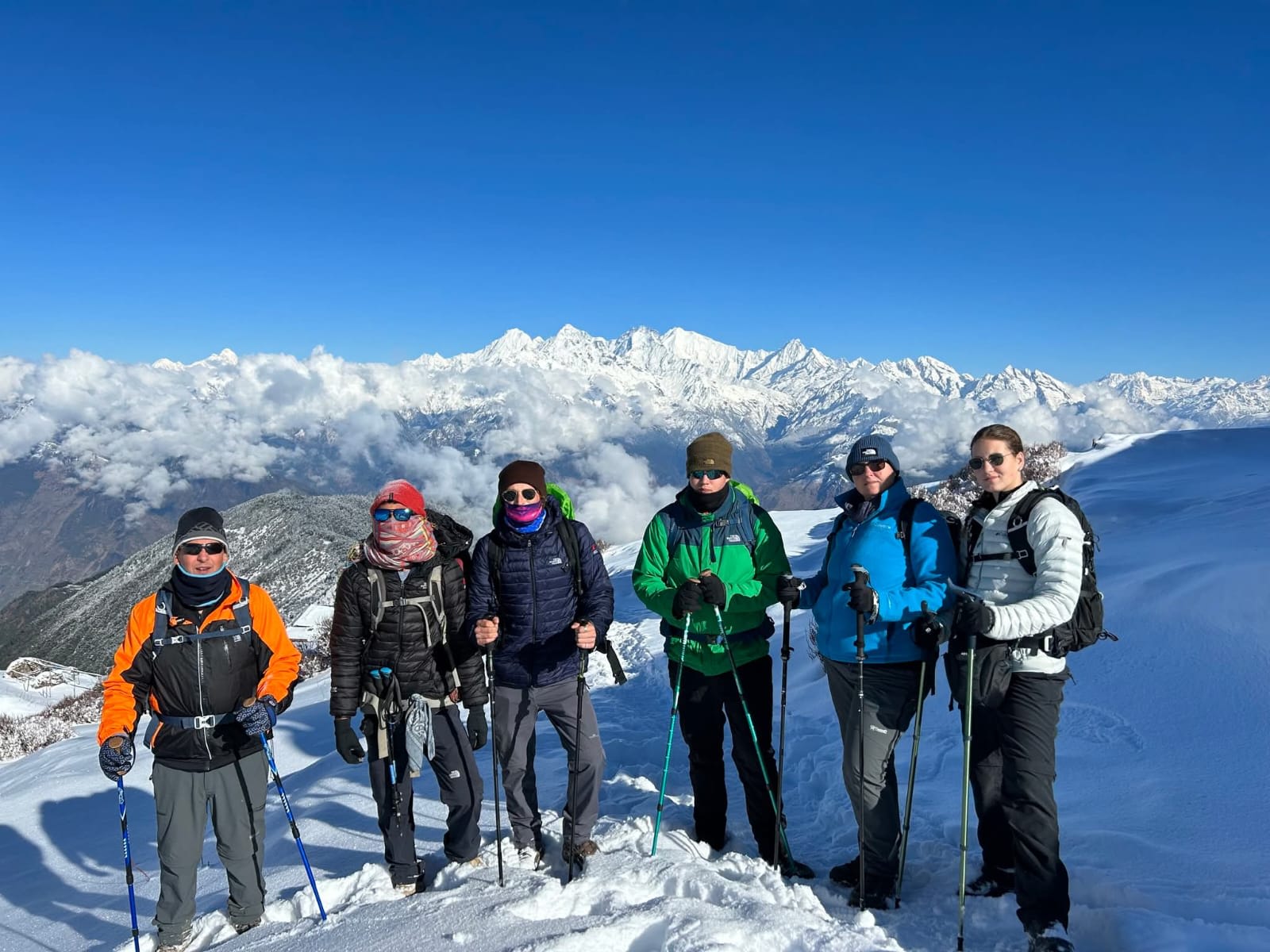
- Enjoy spectacular views of Langtang Lirung (7,234m), Dorje Lakpa, Gangchenpo, and the surrounding snow peaks.
- Reach the spiritual hub of Kyanjin Gompa (3,870m), with its ancient monastery and famous local cheese factory
- Climb to the panoramic viewpoint of Kyanjin Ri (4,773m) for a breathtaking 360-degree Himalayan sunrise.
- Experience the warm hospitality and rich culture of the Tamang people, with strong Tibetan-Buddhist influences.
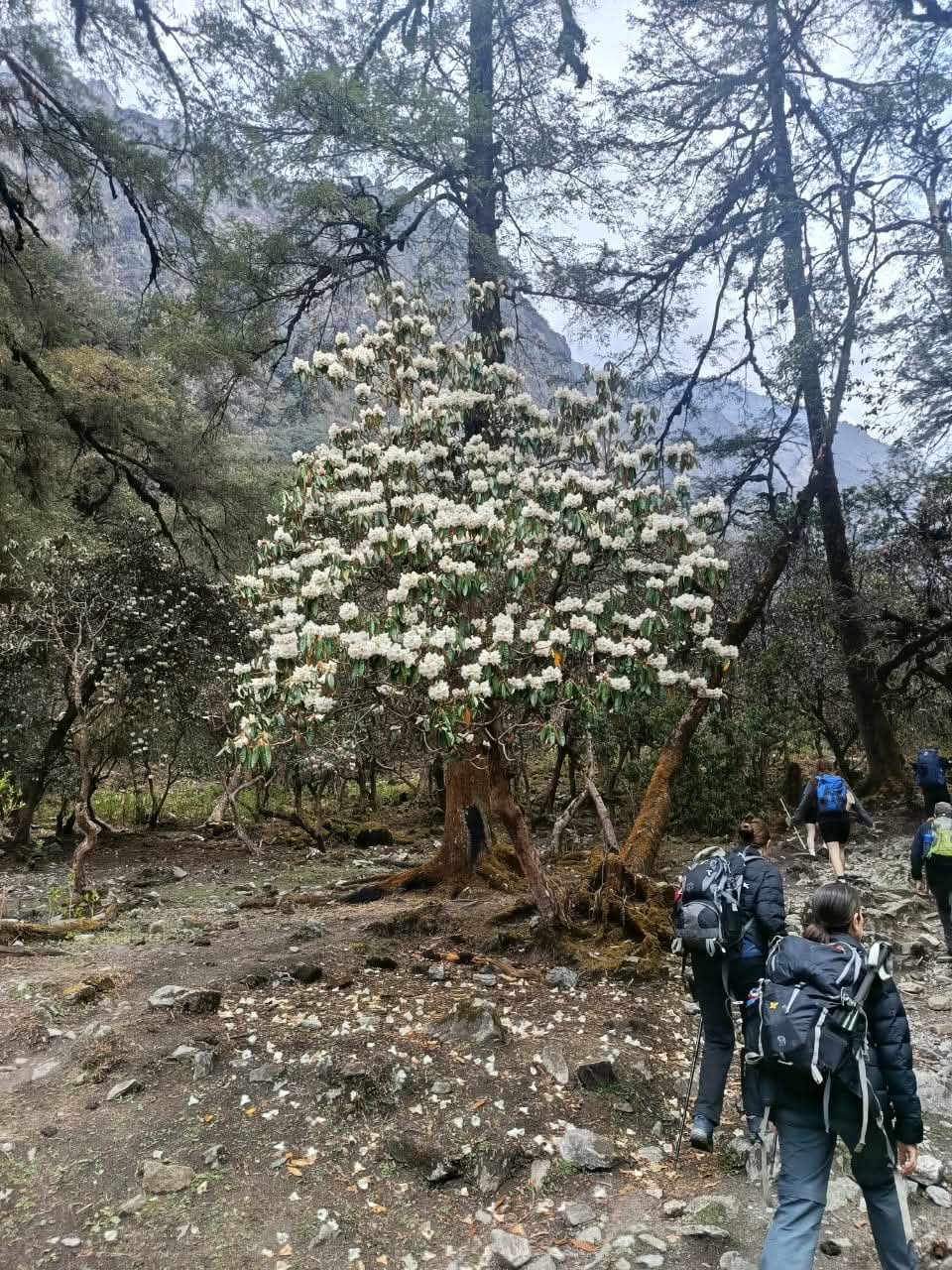
- Walk through lush forests of rhododendron, oak, pine, and bamboo, alive with birds and wildlife.
- Trek within Langtang National Park, home to red pandas, Himalayan black bears, and langur monkeys.
- Follow the rushing Langtang Khola through dramatic river gorges, waterfalls, and alpine meadows.
- Pass painted chortens, mani walls, prayer flags, and traditional stone villages along the trail.
- Witness the inspiring recovery of a valley and community that has rebuilt beautifully since the 2015 earthquake.
- Taste fresh yak cheese and local Himalayan dishes in the cozy teahouses of Kyanjin Gompa.
- Enjoy a short, scenic, and rewarding trek ideal for beginners, families, and those with limited time.
- Take in glacial moraines, yak pastures, and the wide, sweeping basin at the head of the Langtang Valley.
- Explore a quieter, more peaceful trail compared with the busier Annapurna and Everest regions.
- Complete one of the best short Himalayan treks in Nepal, blending mountain beauty, culture, and adventure.
Langtang Valley Trek Overview
The Langtang Valley Trek is one of the most beautiful and accessible short treks in Nepal, leading you into the stunning Langtang Valley, a glaciated Himalayan valley north of Kathmandu, close to the Tibetan border. Often called “the valley of glaciers,” Langtang combines dramatic mountain scenery, rich Tamang culture, and lush national-park forests, all within easy reach of the capital.
The trek begins with a scenic drive to Syabrubesi, then follows the Langtang Khola upstream through deep, forested gorges and traditional villages. As the valley opens up, the landscape changes from dense rhododendron and bamboo forest to open alpine meadows and yak pastures, framed by towering snow peaks.
The highlight of the journey is Kyanjin Gompa (3,870m), a peaceful settlement set beneath the mighty Langtang Lirung (7,234m), with its ancient Buddhist monastery and a famous cheese factory. From here, an optional early-morning climb to Kyanjin Ri (4,773m) rewards trekkers with a magnificent 360-degree panorama of the entire Langtang range.
Graded easy to moderate, the trek reaches a comfortable maximum overnight altitude of 3,870 meters, keeping the risk of altitude sickness relatively low and making it ideal for beginners, families, and those with limited time. The Langtang Valley also carries a moving recent history, having rebuilt beautifully since the 2015 earthquake, and trekking here directly supports the warm, resilient local community.
Whether you are researching the Langtang Valley Trek cost, itinerary, difficulty, permits, or best time to visit, this 7-day adventure remains one of the most rewarding short Himalayan journeys in Nepal.
Lukla Flight Information
Kathmandu to Syabrubesi
The Langtang Valley Trek is based in the Langtang region north of Kathmandu, with Syabrubesi as the gateway town. From Kathmandu, you travel by private vehicle or shared jeep along the Pasang Lhamu Highway, following the Trishuli River through Dhunche and into the Langtang National Park. The scenic drive takes around six to eight hours, passing terraced hills, rivers, and mountain villages.
Syabrubesi to the Trailhead
The walking begins right from Syabrubesi (1,460m), where the trail crosses the river and heads up into the forested Langtang Valley. There is no road beyond this point into the upper valley, which helps keep the trekking trail peaceful and unspoiled all the way to Kyanjin Gompa.
Returning from the Trek
The trek returns down the same beautiful valley to Syabrubesi, from where you drive back to Kathmandu along the Pasang Lhamu Highway. Please note that mountain road conditions can vary with the weather, so a little flexibility in your schedule is always wise, especially during the monsoon.
Langtang Valley Trek Online Briefing
After receiving your booking deposit and required documents, Nature Heaven Treks and Expedition will arrange a personalized online briefing via WhatsApp and Email. We will explain your trek itinerary, packing list, Everest trekking weather, altitude preparation, and answer all your questions. Our expert team ensures you are fully prepared, confident, and ready for an unforgettable trekking adventure in Nepal.
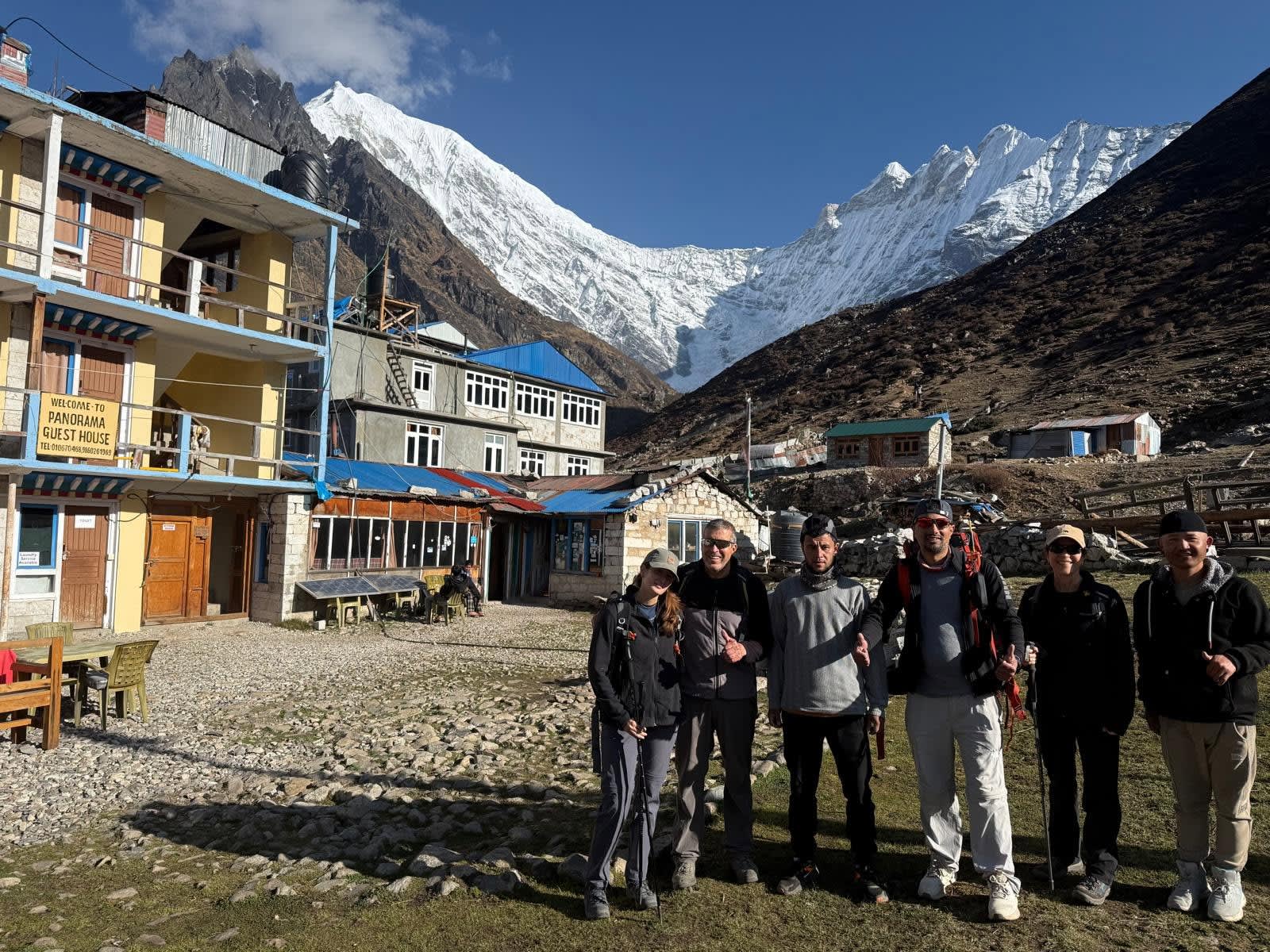
Langtang Valley Trek Photo Gallery

Plan Your Langtang Valley Trek Dates
Pick Your Start Date
Click any date below to select your departure day. The calendar will automatically highlight your full 9-day trip window. Use the arrows to browse months.
Langtang Valley Trek Itinerary
Upon your arrival at Tribhuvan International Airport in Kathmandu, you will be warmly welcomed by the Nature Heaven Trek team. After completing immigration, baggage collection, and customs formalities, you will be assisted with a comfortable transfer to your hotel.
During the drive, you will get your first glimpse of Kathmandu’s lively streets, traditional architecture, and vibrant atmosphere. Once at the hotel, you can check in, freshen up, and take some time to relax after your journey.
Later, you will receive a brief orientation about your upcoming adventure, including the itinerary, travel arrangements, and important practical information. You will also have an opportunity to meet your trekking team and clarify any last-minute questions.
The remainder of the day is free for rest and relaxation. Depending on your arrival time and energy level, you may take a short walk around the nearby area and enjoy your first experience of Kathmandu.
What is Included in This Package
Transportation
- Kathmandu to Syabrubesi and Syabrubesi to Kathmandu by private vehicle or shared jeep
- Private airport pick-up and drop-off service in Kathmandu
Accommodations
- Teahouse and guesthouse accommodation during the trek (twin-sharing)
- 2 night’s hotel accommodation in Kathmandu on a bed-and-breakfast basis (after the trek, if required)
Food & Drinks
- Full-board meals (breakfast, lunch, and dinner) during the trek
- Daily seasonal fresh fruits where available
- Water purification tablets for safe drinking water
- Welcome and farewell dinners in Kathmandu
Guide & Porter
- Licensed, experienced, English-speaking trekking guide
- 1 assistant guide for groups above 6 trekkers
- Porter service (1 porter for every 2 trekkers, carrying up to 18 kg total)
Permits & Fees
- Langtang National Park entry permit
- Trekkers’ Information Management System (TIMS) card
- All applicable local and government taxes
What is Excluded from This Package
Accommodations
- Hotel stays in Kathmandu before the trek
- Extra nights in Kathmandu due to early arrival, late departure, or itinerary changes
Guide & Porter Tips
- Tips for guides and porters (recommended but not mandatory)
Personal Expenses & Gear
- Nepal tourist visa on arrival at Tribhuvan International Airport
- Personal travel insurance covering trekking and emergency evacuation (recommended)
- Snacks, bottled water, tea/coffee, soft drinks, alcohol, and hot showers
- Wi-Fi, phone calls, and battery charging fees
- Extra porter charges (if required)
- Souvenirs and shopping items
- Personal trekking clothing and equipment
Other Exclusions
- International airfare to and from Kathmandu
Required Equipment List
Head and Face Essentials
Upper Body Clothing
Handwear
Lower Body
Footwear
Backpack, Support & Sleeping Gear
Electronics & Important Documents
Toiletries & Personal Care Items
Medications & First Aid
Optional Items
Langtang Valley Trek — Important Trip Info
Your Langtang Valley Trek begins with your arrival in Kathmandu, the bustling capital of Nepal and the gateway to the Himalayas. Most international travelers land at Tribhuvan International Airport, the country’s main international airport.
Upon arrival, our team will warmly welcome you and assist with airport transfers, trek documentation, and final trip preparations. Kathmandu offers a fascinating blend of ancient culture, vibrant markets, historic temples, and UNESCO World Heritage Sites, providing the perfect introduction to Nepal before your trekking adventure.
We recommend arriving at least one day before your trek departure date. This allows time to rest after your international flight, complete last-minute gear checks and permit arrangements, and enjoy a comprehensive pre-trek briefing to ensure you are fully prepared for the journey ahead.

Before and after your Langtang Valley Trek, you will stay in comfortable accommodation in Kathmandu, ranging from budget-friendly guesthouses to boutique and luxury hotels. Most hotels offer modern facilities such as Wi-Fi, private rooms, hot showers, restaurants, luggage storage, and transfer services.
In Kathmandu, the most popular area for trekkers is Thamel, the vibrant tourist hub known for its trekking-gear shops, restaurants, and lively atmosphere. Along the Langtang trail, accommodation is in cozy local teahouses and guesthouses run by Tamang families, many of which offer private rooms, warm dining halls, and wonderful mountain views.
This authentic, welcoming style of accommodation is part of the charm of the Langtang Valley, and staying in these family-run lodges directly supports the local community as it continues to grow and thrive.

The Langtang Valley lies in the Rasuwa district of north-central Nepal, within Langtang National Park, the first Himalayan national park in the country. The valley takes its name from local legend, often translated as the place where a lama followed a runaway yak, and has long been home to the Tamang people.
The trail follows ancient trading and herding routes between Nepal and Tibet, passing chortens, mani walls, and monasteries that reflect a deeply Buddhist way of life. Surrounded by peaks such as Langtang Lirung, Dorje Lakpa, and Gangchenpo, the valley offers a rare combination of dramatic scenery and rich mountain culture close to Kathmandu.
Today the Langtang Valley Trek is regarded as one of the best short treks in Nepal, ideal for beginners, families, and travelers seeking a beautiful Himalayan experience without the long approach of more distant regions.
The Langtang region sits in north-central Nepal, directly north of Kathmandu and bordering Tibet. The trek explores a deep, glaciated valley carved by the Langtang Khola, climbing from forested gorges up to the wide alpine basin at Kyanjin Gompa, ringed by some of the most beautiful peaks in the central Himalaya.
As trekkers ascend from Syabrubesi through Lama Hotel and Langtang Village, the landscape changes from dense subtropical and temperate forest into open meadows, yak pastures, glacial moraines, and high snow peaks, all within a relatively short and gradual climb.
Major Geographical Highlights
• Langtang Lirung – 7,234 meters, the highest peak in the Langtang range and the centerpiece of the trek.
• Kyanjin Ri – 4,773 meters, a famous viewpoint offering 360-degree panoramas of the valley.
• Tserko Ri – 4,984 meters, an optional higher viewpoint for keen trekkers.
• Dorje Lakpa and Gangchenpo – striking snow peaks visible from the upper valley.
• Kyanjin Gompa – 3,870 meters, the spiritual and scenic heart of the trek.
• Langtang Glacier and Khola – the dramatic glacier and river that shape the valley.
Together with forests, waterfalls, suspension bridges, and traditional villages, these features create one of the most scenic and accessible trekking landscapes near Kathmandu.
The cultural heart of the trek lies in the traditional villages of the valley, such as Langtang Village and Kyanjin Gompa, home to the Tamang people. Of Tibetan origin, the Tamang have a rich Buddhist heritage and a language and lifestyle closely related to that of Tibet, just across the nearby border.
The people of Langtang are renowned for their warmth and hospitality. Trekkers can experience traditional stone houses, watch daily life around the fields and pastures, see colorful festivals and dress, and enjoy the genuine welcome of the family-run teahouses that line the trail.
Cultural Highlights of the Trek
• Tamang Villages – traditional Tibetan-influenced settlements with stone houses and terraced fields.
• Kyanjin Gompa Monastery – an ancient Buddhist monastery at the head of the valley.
• Mani Walls and Chortens – sacred Buddhist structures lining the trails throughout the region.
• Warm Himalayan Hospitality – friendly teahouses and a welcoming local culture.
Kyanjin Gompa is the spiritual and scenic highlight of the trek, a peaceful settlement set beneath the towering face of Langtang Lirung. Its ancient Buddhist monastery, surrounded by prayer flags and snow peaks, is a wonderful place to pause and soak in the atmosphere of the high valley.
Kyanjin is also famous for its local cheese factory, originally established with Swiss support, where traditional yak and cow cheese is still made. Trekkers can sample fresh local cheese, enjoy the surrounding viewpoints, and use the village as a base for the rewarding day hikes to Kyanjin Ri and Tserko Ri.
In April 2015, a powerful earthquake struck Nepal, and the Langtang Valley was among the areas most severely affected, with the original Langtang Village tragically buried by a landslide. It was a profound loss for the close-knit local community.
In the years since, the valley and its villages have been rebuilt with remarkable resilience and care, and trekking has fully returned. Visiting Langtang today is not only a beautiful Himalayan journey but also a meaningful way to support the recovery and livelihoods of the warm, welcoming people who call this valley home.
The entire trek lies within Langtang National Park, established in 1976 as the first Himalayan national park in Nepal. Its varied landscapes, from subtropical forest to alpine meadow and glacier, support a rich diversity of plants and animals.
As trekkers walk through the park’s forests of oak, rhododendron, pine, and bamboo, they may spot langur monkeys, Himalayan tahr, musk deer, and a wide variety of birds. The park is also home to elusive species such as the red panda and the Himalayan black bear, making the valley a wonderful destination for nature lovers.
Under current regulations, trekking in Nepal’s national parks, including Langtang, is done with a licensed guide. Beyond meeting the rules, trekking with a professional guide greatly enhances the experience, safety, and comfort of your journey.
Benefits of Trekking with a Professional Guide
• Local Knowledge – guides share insights into the culture, history, and nature of the Langtang region.
• Route Navigation – guides keep you on the correct trail and manage the daily schedule.
• Health Monitoring – guides keep an eye on your wellbeing and comfort throughout the trek.
• Emergency Support – in case of illness, injury, or bad weather, guides coordinate immediate assistance.
• Logistical Management – guides handle accommodation, transport, permits, and daily operations, so you can simply enjoy the journey.
Nutritious and tasty meals are available throughout the Langtang Valley Trek, with teahouses offering a variety of local and international dishes. The village teahouses serve hearty, freshly cooked meals that provide plenty of energy for the day’s walking.
Popular Food Options
• Dal Bhat (the most common and highly recommended trekking meal, often with free refills)
• Fried rice, noodles, and pasta
• Momos (Nepali dumplings) and pancakes
• Soups, potatoes, and eggs
• Local yak cheese and seasonal vegetables
Popular Beverages
• Tea (black, milk, and herbal varieties)
• Coffee and hot chocolate
• Hot lemon and ginger tea
Drinking Water
Safe drinking water is available throughout the route via purified, boiled, or filtered water, supported by purification tablets. Staying well hydrated keeps you comfortable and energized on the trail. Using a refillable bottle also helps reduce plastic waste in the mountains.
Health & Safety on the Langtang Valley Trek
The Langtang Valley Trek is one of the safer and more comfortable treks in Nepal, with a moderate maximum overnight altitude of 3,870 meters at Kyanjin Gompa. Because the trek stays relatively low, the risk of Acute Mountain Sickness is lower than on high-pass treks, though it is still good to be aware of the basics, especially on the day hikes above 4,000 meters.
Staying Healthy on the Trail
• Maintain a steady, comfortable pace, especially on the climbs to Langtang Village and Kyanjin Ri.
• Drink plenty of water and eat well to keep your energy up.
• Wear good trekking boots and use trekking poles to protect your knees on the descents.
• Rest as needed and let your guide know if you feel unwell at any point.
• Dress in layers, as mornings and evenings in the upper valley can be cold.
With its gentle altitude profile and well-maintained trails, the Langtang Valley Trek is comfortable for most travelers, though a basic level of fitness will help you enjoy the climbs and descents to the fullest.
Following a few simple guidelines helps ensure a smooth, safe, and enjoyable Langtang Valley Trek.
Essential Safety Guidelines
• Trek with licensed guides – travel with experienced, certified guides for safety, navigation, and local insight.
• Pace yourself – take your time and short breaks on the steeper climbs and the Kyanjin Ri hike.
• Stay hydrated – drink plenty of water throughout the day.
• Dress in layers – mornings and evenings can be cold, especially at Kyanjin Gompa.
• Use trekking poles – they help on both the climbs and the long descents.
• Follow your guide’s advice – especially regarding weather, timing, and trail conditions.
One of the advantages of the Langtang Valley Trek is its moderate altitude. The highest overnight stop, Kyanjin Gompa at 3,870 meters, is comfortable for most trekkers, and the trek gains altitude gradually over several days.
Because the trek never reaches extreme heights for overnight stays, the risk of altitude sickness is relatively low. The day hike to Kyanjin Ri (4,773 meters) does climb higher, so it is wise to walk at a steady pace, stay hydrated, and let your guide know if you ever feel unwell. The acclimatization and exploration day at Kyanjin Gompa also helps your body adjust comfortably.
The Langtang region has well-established trails, good trekking infrastructure, and experienced local support. The route is well developed, with comfortable teahouses, clearly marked paths, and friendly villages along the way.
Facilities Available in Most Villages
• Lodges and Teahouses – comfortable accommodation, many with private rooms and warm dining halls.
• Hot Showers and Charging – available in most teahouses, usually for a small extra fee.
• Communication Services – mobile networks and Wi-Fi are available in many villages, though coverage can vary.
• Emergency Support – the well-connected trails allow for relatively quick assistance if needed.
With its good infrastructure, moderate altitude, and beautiful scenery, the Langtang Valley Trek remains one of the safest and most enjoyable short treks in Nepal.
Kathmandu to the Trailhead
You travel from Kathmandu to Syabrubesi by private vehicle or shared jeep along the Pasang Lhamu Highway, following the Trishuli River through Dhunche and into Langtang National Park. The drive takes around six to eight hours and offers scenic views of rivers, hills, and mountains.
Returning from the Trek
At the end of the trek, you return down the valley to Syabrubesi and drive back to Kathmandu along the same scenic highway, completing the journey.
Note on Mountain Roads
The mountain road to Syabrubesi can be winding and occasionally rough, and conditions may vary with the weather, so a small amount of flexibility in your schedule is always wise, particularly during the monsoon season.
Even on a short trek, the right gear keeps you comfortable in the changing Himalayan weather:
• Comfortable, broken-in trekking boots with good grip for forest and rocky trails
• Warm layers and a light down or fleece jacket for cold mornings and evenings
• Sleeping bag (provided if needed) for cooler nights at Kyanjin Gompa
• Trekking poles to help on the climbs and descents
• Waterproof jacket and a small backpack with rain cover
• Sun hat, warm hat, gloves, sunglasses, and sunscreen
• Headlamp for the early Kyanjin Ri sunrise hike
With light, practical gear and a comfortable pair of boots, trekkers can fully enjoy the beauty of the Langtang Valley.
The Langtang Valley Trek is rated easy to moderate, but a basic level of fitness will make it more enjoyable, especially the climbs to Langtang Village and Kyanjin Ri:
• Regular walking or hiking in the weeks before your trip
• Cardiovascular training such as walking, jogging, or cycling to build stamina
• Stair climbing and hill walking to prepare for the ascents
• Light strength work for the legs and core to handle ups and downs comfortably
With a little preparation, trekkers of most ages and fitness levels can complete and thoroughly enjoy this rewarding short trek.
The Langtang region experiences clear seasonal variations, and conditions can change with altitude and time of day, so a little preparation goes a long way.
Spring (March–May)
• Spectacular rhododendron blooms along the trail
• Clear mountain views and comfortable daytime temperatures
• One of the best and most popular seasons for the trek
Autumn (September–November)
• Stable, dry weather and excellent visibility
• Ideal trekking temperatures and clear mountain panoramas
• Peak season for the Langtang Valley Trek
Winter (December–February)
• Cold but often clear, with crisp mountain views
• Possible snow at Langtang Village and Kyanjin Gompa
• Quieter trails; doable for prepared trekkers thanks to the moderate altitude
Monsoon (June–August)
• Rainfall in the hills, with lush green landscapes
• Leeches in the forested sections after rain
• Cloudier conditions with more variable mountain views
Overall, the best trekking conditions are during spring and autumn, when the weather is stable and the mountain views are at their finest, with spring especially prized for the rhododendron blooms.
The official currency of Nepal is the Nepalese Rupee (NPR), which is used throughout the Langtang region for all local transactions.
Useful Payment Tips
• Carry enough cash from Kathmandu – ATM access is limited along the trail.
• ATM availability – ATMs are available in Kathmandu and Dhunche but not in the trekking villages.
• Card payments – accepted in city hotels and agencies but rarely in mountain teahouses.
• Cash-based villages – carry enough NPR for food, drinks, charging, showers, and small purchases.
To trek in the Langtang Valley, trekkers are required to obtain official permits that support conservation and trekker safety management. Unlike restricted-area treks, Langtang does not require a special restricted-area permit.
Required Permits
Langtang National Park Entry Permit
This permit is mandatory for all trekkers entering Langtang National Park. The fee supports conservation of the park’s unique ecosystems, wildlife, and trails, as well as local community development.
Trekkers’ Information Management System (TIMS) Card
The TIMS card is required for trekkers in the region and helps the authorities manage trekker safety and records along the trail.
Important Information
• Permit fees are set by the Nepal government and local authorities and may change periodically.
• Permits are usually arranged through registered trekking agencies in Kathmandu.
• Trekkers must carry permits at all times, as they are checked at park entry and checkpoints.
Most international travelers can easily obtain a tourist visa on arrival at Tribhuvan International Airport, making entry into Nepal simple and convenient.
Available Tourist Visa Options
• 15 Days Tourist Visa – ideal for short trips such as the Langtang Valley Trek
• 30 Days Tourist Visa – useful if combining the trek with other travel
• 90 Days Tourist Visa – best for extended travel in Nepal
Visa Requirements
• A passport valid for at least 6 months from the date of entry
• Recent passport-sized photographs
• Completed visa application form (available at the airport or online)
• Applicable visa fee (payable in major foreign currencies)
Important Notes
• Visa extensions are possible in Nepal if you wish to extend your stay.
• Carry some cash in USD or other major currencies for the visa payment.
• Immigration is usually smooth, but queues can be long during peak trekking seasons.
What our travellers say
“We had a wonderful time trekking Langtang and the frozen lakes. Krishna has done everything so every day would be pleasurable and safe. His generosity and flexibility had enabled us to deepen the experience of beloved Nepal. Hoping to return in the future.”
Kafle
Senior Himalayan Specialist
“Namaste! I have been guiding in the Himalayas for over 15 years. Contact me directly to customize your itinerary or check live trail conditions.”
Secure Booking System
Your checkout session is secure and encrypted by 256-bit SSL. Associated with TAAN, KEEP, NMA, and registered with Nepal Tourism Board.