

Trek Highlights
- Authentic Nepali Culture & Rural Life – Meet local communities, experience traditional food, festivals, crafts, villages, and everyday life through your camera.
- Kathmandu Valley UNESCO World Heritage Sites – Explore ancient temples, stupas, palaces, and vibrant local culture.
- Patan Durbar Square – Discover Newari architecture, courtyards, temples, and traditional craftsmanship.
- Bhaktapur Durbar Square – Experience medieval streets, historic monuments, pottery, and authentic Newari heritage.
- Nagarkot Sunrise & Himalayan Views – Capture spectacular sunrise, mountain panoramas, and peaceful countryside landscapes.
- Bandipur Heritage Town – Photograph beautifully preserved Newari architecture, traditional houses, and Himalayan scenery.
- Natural Hot Springs – Relax in Nepal’s natural hot springs while enjoying dramatic mountain and river landscapes.
- Muktinath Sacred Valley – Explore one of Nepal’s most revered pilgrimage sites amid the spectacular Mustang landscape.
- Upper Mustang Landscapes – Experience dramatic cliffs, desert-like valleys, caves, monasteries, and Tibetan-influenced culture.
- Pokhara Lakeside & Phewa Lake – Capture peaceful lake views, reflections, waterfalls, caves, and mountain panoramas.
- Chitwan National Park Safari – Enjoy wildlife photography featuring rhinos, crocodiles, deer, birds, and the rich Terai landscape.
Trip Overview
This itinerary has been carefully designed as a comprehensive Nepal Cultural Heritage, Nature, and Photography Tour, bringing together some of the country’s most significant historical, cultural, spiritual, scenic, and wildlife destinations. The main idea is to give photographers a diverse range of subjects and landscapes while keeping the journey comfortable, accessible, and free from difficult or long trekking.
Kathmandu, Patan, and Bhaktapur provide an outstanding combination of Nepal’s ancient history, architecture, temples, courtyards, monuments, festivals, local life, and traditional craftsmanship. These destinations are particularly valuable for photographers interested in cultural and architectural photography, as well as documenting everyday life and Nepal’s living heritage.
Nagarkot adds a completely different photographic experience. It is one of Nepal’s well-known sunrise and Himalayan viewpoints, offering beautiful early-morning landscapes and panoramic mountain views. On clear days, the Himalayan range, including distant views toward Everest, can provide excellent opportunities for landscape and sunrise photography.
Mustang, as you know very well, is one of the most distinctive destinations in Nepal. The landscape changes dramatically as you travel north, with barren mountains, deep valleys, traditional villages, ancient monasteries, Tibetan-influenced culture, distinctive architecture, and spectacular Himalayan scenery. It offers photographers a completely different visual experience from the Kathmandu Valley and the lower regions of Nepal.
The itinerary also includes Muktinath and the surrounding Mustang region, providing opportunities to photograph sacred sites, mountain landscapes, traditional settlements, local people, and the unique combination of Hindu and Buddhist culture found in this part of the Himalayas. Importantly, the itinerary is designed around road access, so there is no requirement for long or strenuous trekking.
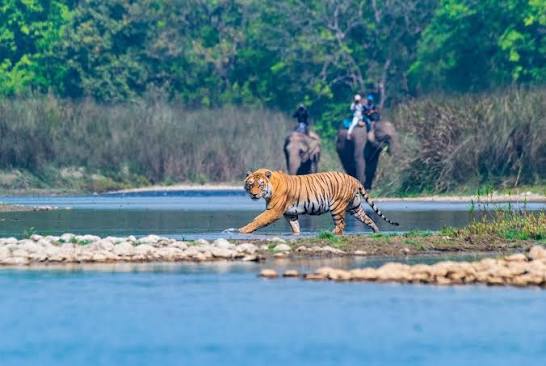
Finally, Chitwan brings wildlife and nature photography into the program. The jungle safari experience provides opportunities to photograph rhinoceros, deer, birds, crocodiles, and, with some luck, the Royal Bengal tiger, along with the diverse landscapes and local culture of the Terai region.
Overall, I believe this itinerary offers a very balanced photography experience covering Nepal’s history, ancient heritage, architecture, culture, traditional lifestyle, Himalayan landscapes, sunrise views, spirituality, wildlife, and nature. Most importantly, it has been designed with photographers in mind: the destinations are accessible by vehicle, there are no long or difficult treks, and walking is generally limited to short distances required to reach specific viewpoints, monuments, or photography locations.
Transport Information
Transportation throughout the Nepal Cultural Heritage, Nature & Photo Tour will be arranged by comfortable private vehicle, providing flexibility and convenience throughout the journey. The tour covers Kathmandu, Patan, Bhaktapur, Nagarkot, Gorkha, Bandipur, hot springs, Muktinath and Mustang, Pokhara, Palpa, Lumbini, and Chitwan National Park. Depending on the group size and road conditions, we can arrange a private car, Scorpio/4WD, or tourist vehicle. For the Mustang and Muktinath section, a suitable 4WD vehicle will be used for the more rugged mountain roads. All major sightseeing, transfers, and local transportation are included, allowing you to enjoy the diverse landscapes, cultural heritage, mountain scenery, villages, and wildlife of Nepal comfortably and safely.
Photo Gallery


Plan Your Trek Schedule
Pick Your Start Date
Click any date below to select your departure day. The calendar will automatically highlight your full 14-day trip window. Use the arrows to browse months.
Detailed Itinerary
Upon your arrival at Tribhuvan International Airport, a representative from Nature Heaven Treks and Expedition will warmly welcome you and escort you to your hotel in Kathmandu.
After checking in and taking some time to rest, you will meet your trek leader and fellow team members. Our team will conduct a pre-trek briefing covering the itinerary, safety guidelines, trekking conditions, and important information about your Everest adventure. This is also the perfect time to clear any questions or concerns you may have.
You will have time to check your trekking gear, arrange any last-minute shopping, or explore Thamel, Kathmandu’s vibrant tourist hub, filled with restaurants, shops, cafés, and local attractions.
We recommend arriving in Kathmandu in the morning or during the daytime. An early arrival gives you enough time to rest and recover from jet lag before starting your Everest adventure. It also allows you to attend the pre-trek briefing and prepare comfortably for your early-morning flight to Lukla the following day.
What is Included in This Package
Transportation
- Private airport pick-up and drop-off service in Kathmandu
- This carefully designed tour is operated with comfortable private vehicles, making the journey smooth, flexible, and enjoyable.
Accommodations
- Accommodation will be provided in comfortable, clean, and friendly 3-star hotels and lodges throughout the tour
Food & Drinks
- Breakfast, lunch, and dinner are included throughout the entire tour, featuring a variety of fresh and hygienic local and international meals.
- 3 liters of mineral water per person per day will be provided throughout the tour to ensure proper hydration.
Guide
- An experienced English-speaking tour guide throughout the entire tour, providing professional guidance, cultural insights, local knowledge, and assistance during the journey.
Permits
- Annapurna Region Permits: Annapurna Conservation Area Permit (ACAP) and any required trekking permits for the Muktinath–Mustang area will be arranged as necessary.
- Local Government Permits: All required local government entry permits and applicable fees for the destinations included in the tour will be arranged and managed by our team.
Other Info
- Welcome drink on arrival Non-alcoholic
- Traditional welcome on arrival.
- Assistant Guide in arrival and departures / Hotels.
- All Applicable Taxes
- Full Board with all jungle safari activities
What is Excluded from This Package
Transportation
- International Flight Airfare & Train fares .
Fees
- UNESCO World Heritage Sites – Explore the historic UNESCO World Heritage Sites of Kathmandu, Patan, Bhaktapur, Lumbini, and Chitwan, showcasing Nepal’s rich cultural heritage, ancient architecture, spirituality, and diverse natural landscapes.
Visa Info
- Nepal Visa
Personal Expenses
- Medical expenses.
- Expenses of personal Nature.
Drinks
- Beverages: All alcoholic drinks, beer, and soft drinks such as Coca-Cola, Fanta, juice, and other beverages are not included in the tour fee.
Other Exclusions
- Expenses due to the situation beyond our control (Such as; landslides, natural calamities, road blockade, political disturbance, flight cancellation etc.)
- Other Services not mentioned in cost including.
- Boat ride fee on Phewa Lake.
Nepal Cultural Heritage Nature Photo Tour — Important Trip Info
Kathmandu Valley is the historic and cultural heart of Nepal, where centuries of history, art, architecture, religion, and traditional life come together in a remarkably compact landscape. The valley consists of three historic cities—Kathmandu, Patan (Lalitpur), and Bhaktapur—which developed as important political, commercial, and cultural centers of the Kathmandu Valley civilization. From the ancient Licchavi period through the Malla era, the valley became a center of sophisticated urban development, craftsmanship, trade, and religious practice. The Malla kings, particularly from the 12th to 18th centuries, played a major role in shaping the magnificent palace squares, temples, courtyards, water spouts, monasteries, and distinctive Newar architecture that can still be seen throughout the valley today.
The valley is also renowned for its extraordinary religious and artistic diversity, where Hindu and Buddhist traditions have developed side by side for centuries. Sacred places such as Swayambhunath, Boudhanath, Pashupatinath, and the historic Durbar Squares of Kathmandu, Patan, and Bhaktapur reflect this remarkable cultural heritage. Intricately carved wooden windows, stone sculptures, pagoda-style temples, gilded shrines, traditional courtyards, and ancient stupas demonstrate the exceptional craftsmanship of the Newar communities. These historic monuments are not simply preserved archaeological sites; many remain active places of worship and community life, making the valley a living cultural heritage destination.
For photographers and cultural travelers, Kathmandu Valley offers an exceptional opportunity to experience Nepal beyond its mountains. Early-morning rituals, temple ceremonies, traditional architecture, artisans at work, colorful festivals, narrow historic streets, local markets, and everyday community life provide a constantly changing visual and cultural experience. The combination of monumental heritage and living traditions makes Kathmandu Valley an essential starting point for understanding Nepal’s history, spirituality, architecture, and diverse cultural identity.

Patan, also known as Lalitpur, is one of the oldest and most culturally significant cities in the Kathmandu Valley. Historically known as a major center of Newar civilization, Patan developed as an important kingdom during the medieval period, particularly under the Malla rulers. The city flourished as a center of trade, religion, architecture, metalwork, woodcarving, and Buddhist and Hindu scholarship. Its historic core is centered around Patan Durbar Square, where royal palaces, temples, courtyards, monasteries, and traditional residential buildings preserve centuries of Newar artistic and architectural traditions. The city's heritage reflects a remarkable coexistence of Hinduism and Buddhism, with temples and Buddhist bahals (monastic courtyards) existing side by side.
Patan is especially renowned for its traditional metalwork, stone sculpture, woodcarving, and paubha painting. Local artisans have maintained highly refined techniques passed down through generations, producing religious sculptures, ritual objects, architectural details, and intricate decorative elements. The Krishna Mandir, built in the 17th century by King Siddhi Narasimha Malla, is one of the finest examples of stone temple architecture in Nepal, while the Golden Temple (Hiranya Varna Mahavihar) and the surrounding Buddhist courtyards demonstrate the depth of Patan's Buddhist heritage. Every doorway, window, strut, and courtyard often contains symbolic artistic details, making the city an exceptional destination for cultural and architectural photography.
Today, Patan remains more than a collection of historic monuments—it is a living cultural city where traditional craftsmanship, religious practices, festivals, and community life continue alongside modern urban life. Walking through its narrow lanes reveals hidden courtyards, ancient shrines, artisan workshops, traditional houses, and daily rituals that provide authentic opportunities to photograph Nepal's living heritage. For photographers, Patan offers an extraordinary combination of history, architecture, religious art, craftsmanship, portraits, street life, and cultural traditions, all within a relatively compact and easily accessible area.
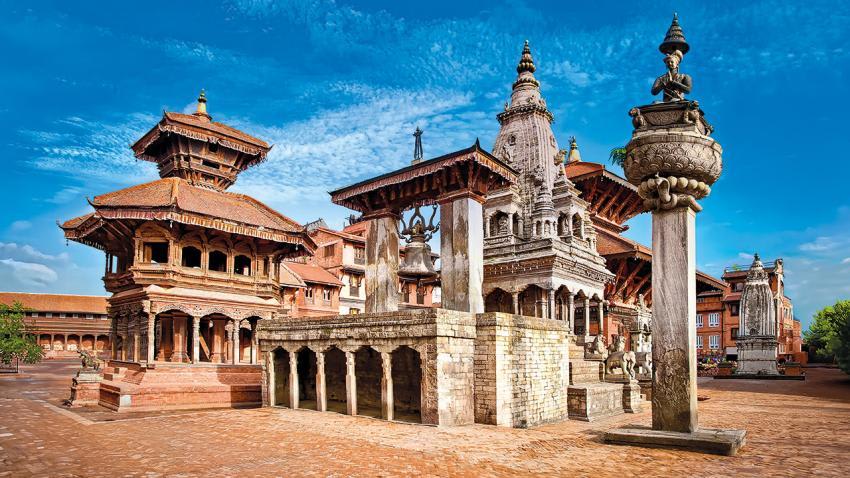
Bhaktapur, also known as Khwopa in the Newar tradition, is one of the most historically significant medieval cities in the Kathmandu Valley. The city flourished particularly during the Malla period, when Bhaktapur served as the capital of the Kingdom of Bhaktapur from approximately the 12th to the 18th century. Under the Malla kings, the city developed into an important center of art, architecture, trade, religion, and scholarship. Its magnificent palaces, temples, courtyards, stone and wooden sculptures, and traditional brick buildings reflect the remarkable craftsmanship and urban planning of medieval Nepal. Bhaktapur Durbar Square, together with its surrounding monuments, forms part of the Kathmandu Valley UNESCO World Heritage property.
The city is particularly renowned for its Newari cultural heritage and living traditions. Walking through Bhaktapur reveals an extraordinary collection of historic squares and monuments, including the 55-Window Palace, Golden Gate, Nyatapola Temple, Vatsala Temple, Dattatreya Square, and Pottery Square. Beyond its monuments, Bhaktapur remains a living cultural center where traditional festivals, religious ceremonies, craftsmanship, pottery, woodcarving, metalwork, and Newari cuisine continue to shape everyday life. For photographers, the city offers exceptional opportunities to capture medieval architecture, intricate details, local rituals, traditional artisans, vibrant street scenes, and the timeless character of Newari civilization.

Nagarkot is a historic hilltop settlement in the Kathmandu Valley, situated at an elevation of approximately 2,175 meters above sea level. Historically, the area served as an important strategic and observation point for the Kathmandu Valley, particularly because of its elevated position and commanding views across the surrounding hills and Himalayan range. Over time, Nagarkot developed from a traditional rural settlement into one of Nepal’s most renowned mountain-view destinations, while still retaining elements of its local Newari and rural heritage.
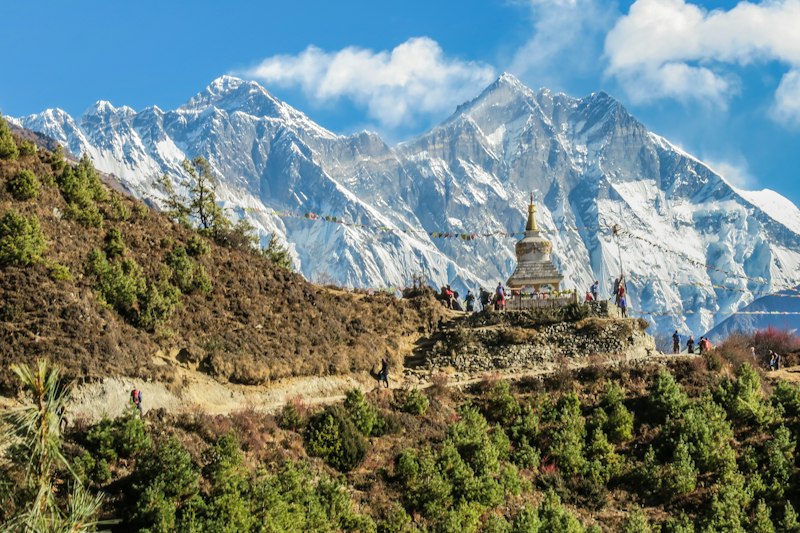
Today, Nagarkot is especially famous for its spectacular Himalayan sunrise and panoramic mountain views. On clear mornings, photographers can capture the first sunlight illuminating the Himalayan peaks, with views extending across ranges that include Langtang, Ganesh Himal, Dorje Lakpa, and, under exceptionally clear conditions, distant peaks toward Mount Everest. The changing colors of the mountains, valleys, forests, and terraced hillsides provide exceptional opportunities for landscape, sunrise, and nature photography.
For photography enthusiasts, Nagarkot offers an accessible viewpoint without the need for strenuous trekking. The combination of dramatic Himalayan scenery, peaceful countryside, traditional villages, terraced farmland, changing weather, and golden morning and evening light makes it an ideal location for capturing both panoramic landscapes and authentic rural life in Nepal.
Gorkha holds a distinguished place in Nepal’s history as the homeland of King Prithvi Narayan Shah, the visionary ruler who initiated the unification of the numerous independent kingdoms and principalities that existed across the Himalayan region in the 18th century. Born in Gorkha in 1723, Prithvi Narayan Shah became the king of the Gorkha Kingdom in 1743 and began a long campaign to bring the fragmented territories together. His successful conquest of Kathmandu Valley in 1768 became a decisive turning point in the formation of modern Nepal. Gorkha Durbar, dramatically situated on a ridge above the town, remains one of the most important historical monuments associated with this period.
Gorkha is also deeply connected with the history and international reputation of the Gurkha soldiers. The military tradition that developed in the Gorkha Kingdom became renowned for courage, discipline, endurance, and loyalty. Following the Anglo-Nepalese War (1814–1816), British forces began recruiting Nepali soldiers into the British Army, establishing a tradition of Gurkha military service that continues today in both the British and Indian armed forces. The famous association with the motto “Better to die than be a coward” has contributed to the enduring global image of the Gurkhas as some of the world’s most respected soldiers.
Beyond its political and military history, Gorkha offers an exceptional window into Nepal’s traditional heritage. The historic Gorkha Durbar, temples, old settlements, traditional architecture, and surrounding hills preserve the atmosphere of the former Gorkha Kingdom. For photographers and cultural travelers, the destination provides opportunities to capture historic monuments, religious traditions, rural landscapes, local lifestyles, and panoramic Himalayan scenery while experiencing one of the places most closely associated with the birth of modern Nepal.
Bandipur is a beautifully preserved hilltop settlement in central Nepal, situated on a ridge overlooking the Madi Valley with spectacular views of the surrounding Himalayan ranges. Historically, Bandipur developed as an important trading centre along the ancient trade route between the Kathmandu Valley and the Indian plains. Newar merchants from Bhaktapur and other parts of the Kathmandu Valley settled here, transforming Bandipur into a prosperous commercial town. During the 18th and 19th centuries, its strategic location allowed local traders to exchange salt, wool, spices, textiles, and other goods between the Himalayan region and the southern plains. The town’s historic prosperity is still visible in its traditional architecture, temples, courtyards, and old merchant houses.
Today, Bandipur is renowned for its remarkably well-preserved Newari cultural heritage and traditional architecture. The pedestrian-friendly main bazaar is lined with beautifully restored houses featuring carved wooden windows and doors, brick façades, tiled roofs, and traditional courtyards. Important cultural landmarks include Bindabasini Temple, Khadga Devi Temple, Mahalaxmi Temple, and the historic Tudikhel area. Local festivals, traditional rituals, craftsmanship, and everyday community life continue to give Bandipur an authentic cultural character. For photographers, Bandipur offers exceptional opportunities to capture heritage architecture, intimate street scenes, portraits of local residents, traditional lifestyles, temples, mountain landscapes, and especially the warm morning and evening light across the historic town.
Tatopani, meaning “hot water” in Nepali, is a naturally occurring thermal spring located along the Kali Gandaki corridor of western Nepal. The area has long been valued by local communities and travelers for its naturally heated mineral-rich water, which emerges from underground geothermal sources. For generations, people traveling through the region have stopped at Tatopani to rest, bathe, and refresh themselves after journeys through the surrounding Himalayan landscapes. The hot springs are closely connected with the traditional way of life of the local communities, where natural springs have historically served as important places for bathing, relaxation, and social interaction.
Beyond its natural significance, Tatopani offers a peaceful cultural and scenic experience. Surrounded by steep green hills, rivers, forests, and Himalayan terrain, the hot spring provides a striking contrast between the rugged mountain environment and the warm thermal waters. Visitors can enjoy a relaxing bath while experiencing the tranquil atmosphere of rural Nepal. The destination is particularly appealing to photographers because the surrounding landscape provides opportunities to capture riverside scenery, mountain villages, traditional lifestyles, and the dramatic transition from the greener lower hills toward the arid landscapes of Mustang.
Today, Tatopani remains an attractive stop on journeys toward Mustang and Muktinath, combining natural wellness, local culture, scenic beauty, and relaxation in one destination. For a photography-focused tour, it also provides valuable time to slow down between long road journeys while experiencing an authentic part of Nepal’s Himalayan countryside.
Muktinath, situated at an elevation of approximately 3,710 meters (12,172 feet) in Nepal’s Mustang district, is one of the Himalayas’ most revered pilgrimage destinations. The name Muktinath is derived from the Sanskrit words Mukti, meaning “liberation,” and Nath, meaning “Lord” or “Master.” For Hindus, the site is traditionally associated with Lord Vishnu and is known as Shri Muktinath, while Buddhists regard it as an important sacred place associated with Guru Rinpoche (Padmasambhava) and the goddess Chumig Gyatsa, meaning “Hundred Waters.” This shared spiritual significance makes Muktinath an exceptional meeting point of Hindu and Buddhist traditions.
The present temple complex has developed over centuries as generations of pilgrims traveled through the difficult Himalayan landscape to reach the sacred site. At the heart of the complex is the Sri Muktinath Temple, surrounded by 108 sacred water spouts, where pilgrims traditionally bathe as part of their religious practice. Nearby is a naturally occurring flame, traditionally understood as a manifestation of the sacred elements of earth, water, fire, and air. The surrounding landscape, including the Kali Gandaki Valley, is also famous for Shaligram stones, naturally formed ammonite fossils regarded by Hindus as sacred representations of Lord Vishnu. For Buddhist pilgrims, the nearby Jwala Mai shrine and the natural flame hold particular spiritual importance.
Beyond its religious significance, Muktinath is deeply connected to the cultural history of Mustang and the ancient Himalayan trade routes that linked the Tibetan plateau with the lower valleys of Nepal. The region preserves distinctive Tibetan Buddhist monasteries, traditional stone-and-mud houses, prayer walls, mani stones, and centuries-old cultural traditions. Today, Muktinath remains an important pilgrimage destination for both Hindus and Buddhists while also attracting travelers and photographers drawn to its extraordinary combination of spiritual heritage, ancient culture, dramatic Himalayan landscapes, and traditional Mustang life.
Mustang is one of Nepal’s most remarkable Himalayan regions, shaped by centuries of history, trade, religion, and interaction between the Tibetan Plateau and the southern Himalayan kingdoms. Historically known as the Kingdom of Lo, the upper part of Mustang developed as an independent Tibetan Buddhist kingdom, with Lo Manthang as its cultural and political center. For centuries, the region was an important corridor along the ancient Kali Gandaki trade route, connecting the Tibetan Plateau with the middle hills of Nepal and India. Salt, wool, grain, livestock, and other goods were traded along these routes, bringing prosperity and cultural exchange to the remote mountain communities.
The history of Mustang is deeply connected with Tibetan Buddhism, and its landscape is filled with ancient monasteries, chortens, prayer walls, caves, and traditional settlements. Places such as Lo Manthang, Tsarang, Marpha, Kagbeni, and Muktinath preserve distinctive architecture and cultural traditions that reflect centuries of Himalayan life. Ancient cave settlements carved into the dramatic cliffs of the region provide further evidence of Mustang’s long and fascinating human history. Muktinath, one of the most important pilgrimage sites in the Himalayas, also demonstrates the region’s unique blend of Hindu and Buddhist traditions.
Beyond its historical and cultural importance, Mustang is renowned for its extraordinary natural scenery. The landscape changes dramatically from the lush lower valleys to a high-altitude desert characterized by eroded cliffs, deep gorges, barren mountains, ancient villages, and snow-covered Himalayan peaks. The combination of dramatic landscapes, traditional Tibetan-influenced culture, ancient architecture, monasteries, and everyday village life makes Mustang an exceptional destination for photographers seeking authentic Himalayan stories and visually distinctive subjects.
Pokhara is one of Nepal’s most picturesque and culturally fascinating destinations, beautifully situated in the foothills of the Annapurna and Dhaulagiri mountain ranges. Historically, the city developed as an important trading and transit point between the southern plains of Nepal and the Himalayan region, particularly along routes connecting the central hills with Mustang and Tibet. The old bazaar area reflects this heritage, with traditional Newari-style buildings, temples, shrines, and historic trading communities. Over time, Pokhara transformed from a regional market town into one of Nepal’s most important tourism destinations while retaining its distinctive cultural character.
Today, Pokhara is renowned for its extraordinary combination of lakes, mountains, forests, waterfalls, caves, and traditional settlements. Phewa Lake, with the Annapurna range reflected in its calm waters on clear mornings, is the city’s most iconic landscape and provides exceptional opportunities for photography. The surrounding region offers spectacular viewpoints, including Sarangkot, as well as attractions such as Davis Falls, Gupteshwor Cave, the World Peace Pagoda, and the International Mountain Museum. The city also serves as a gateway to some of Nepal’s most famous Himalayan trekking and adventure regions.
For photographers and travelers, Pokhara offers an exceptional diversity of subjects within a relatively accessible area—from sunrise over the Himalayas and reflections across Phewa Lake to local culture, traditional architecture, rural landscapes, and mountain life. Its relaxed atmosphere, scenic beauty, and easy road access make Pokhara an ideal destination for combining nature, culture, landscape photography, and Himalayan experiences without requiring strenuous trekking.
Tansen, the historic hill town of Palpa District in western Nepal, is one of the country’s most fascinating destinations for travelers interested in history, culture, architecture, and photography. Situated on the southern slopes of the Mahabharat Range, Tansen developed as an important trading center along the historic route connecting the southern plains with the Himalayan regions. The town flourished particularly as a meeting point for traders and communities from the Terai, mid-hills, and western mountain regions. Its distinctive Newar heritage, traditional brick-and-timber houses, narrow streets, courtyards, temples, and old marketplace reflect centuries of cultural exchange and commercial activity.
Tansen is also closely associated with the history of the Sen dynasty, which ruled the Palpa region before the unification of Nepal. The historic Tansen Durbar area, ancient temples, traditional settlements, and surrounding heritage sites provide an insight into the political and cultural history of the region. Nearby Ranighat Palace, situated beside the Kali Gandaki River, is another remarkable historical landmark, often described as one of Nepal’s romantic palace sites. Built in the late nineteenth century by General Khadga Shumsher Jang Bahadur Rana, the palace reflects the architectural ambitions and personal history of the Rana period.
Beyond its historical importance, Palpa offers exceptional photographic landscapes. The surrounding hills provide sweeping views of terraced farmland, deep valleys, forests, traditional villages, and distant Himalayan peaks on clear days. The combination of heritage architecture, local lifestyles, colorful markets, traditional craftsmanship, rural landscapes, and dramatic hill scenery makes Tansen an especially rewarding stop on a cultural and nature photography journey through Nepal.

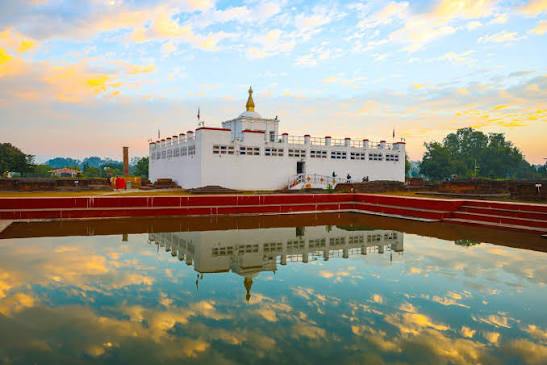
Lumbini, located in the Rupandehi District of southern Nepal, is one of the most sacred pilgrimage destinations in the Buddhist world and the traditional birthplace of Siddhartha Gautama, the Buddha. According to Buddhist tradition, Queen Maya Devi gave birth to Siddhartha at Lumbini around the 6th century BCE while traveling from Kapilavastu toward her maternal home. The sacred site preserves the Maya Devi Temple, which marks the traditional birthplace, along with the Sacred Garden, the Ashoka Pillar, and the ancient remains associated with early Buddhist pilgrimage. The Ashoka Pillar, erected by the Mauryan Emperor Ashoka during his pilgrimage to Lumbini in the 3rd century BCE, provides important historical evidence identifying Lumbini as the birthplace of the Buddha.
For centuries, Lumbini remained an important center of Buddhist pilgrimage, although its significance declined over time and the site became less prominent. Archaeological research and renewed interest in Buddhist heritage during the 19th and 20th centuries helped establish Lumbini's historical and religious importance. Today, the Lumbini Sacred Garden forms the heart of the pilgrimage area, surrounded by monasteries, meditation centers, museums, archaeological sites, and Buddhist monuments representing different traditions and countries. Lumbini was inscribed as a UNESCO World Heritage Site in 1997 for its outstanding universal value as the birthplace of one of the world's great spiritual teachers and as an important archaeological and religious landscape.
Beyond its religious significance, Lumbini offers a profound cultural and historical experience for visitors and photographers. The peaceful gardens, ancient archaeological remains, Buddhist architecture, prayer ceremonies, monks, pilgrims, and international monasteries create a remarkable visual and spiritual atmosphere. A visit to Lumbini provides an opportunity not only to understand the origins and development of Buddhism but also to experience Nepal's deep connection with Buddhist heritage, philosophy, art, architecture, and pilgrimage traditions.
Established in 1973 as Nepal’s first national park, Chitwan National Park is one of South Asia’s most important protected areas and a landmark in Nepal’s conservation history. The park was originally established to protect the rapidly declining population of the greater one-horned rhinoceros, which had faced severe pressure from habitat loss and poaching. Covering approximately 952.63 square kilometres, the park encompasses a remarkable mosaic of sal forests, riverine forests, grasslands, wetlands, and oxbow lakes. Its conservation importance was internationally recognized when Chitwan National Park was designated a UNESCO World Heritage Site in 1984.
For photographers, Chitwan offers an exceptional opportunity to experience Nepal’s wildlife and natural ecosystems without strenuous trekking. Jungle safaris by jeep, canoe, and guided nature walks provide opportunities to observe and photograph the greater one-horned rhinoceros, spotted deer, wild boar, gharial and mugger crocodiles, and a remarkable variety of birdlife. The park is also one of the important habitats of the Royal Bengal tiger, although sightings are naturally unpredictable. The diverse landscapes—misty forests, open grasslands, rivers, wetlands, and golden evening light—provide excellent opportunities for wildlife, landscape, and nature photography.
Beyond wildlife, Chitwan offers an important cultural dimension through the traditions and daily life of the Tharu communities, whose relationship with the surrounding Terai landscape has developed over generations. A visit to the region therefore combines conservation, wildlife, indigenous culture, and photography in one experience. For this photography tour, Chitwan has been selected not simply as a safari destination, but as an opportunity to document Nepal’s extraordinary biodiversity and the close connection between nature, conservation, wildlife, and local culture.
Nepal is a country of extraordinary geographical diversity, where an immense range of landscapes unfolds within a relatively small area. From the subtropical plains of the Terai to the high Himalayan peaks, Nepal rises dramatically through forests, fertile valleys, rolling hills, deep river gorges, alpine meadows, and rugged mountain terrain. This remarkable geography has played an important role in shaping the country’s history, culture, settlement patterns, agriculture, and traditional lifestyles. The southern Terai has historically been one of Nepal’s most productive agricultural regions and an important cultural crossroads, while the middle hills and valleys developed distinctive communities, terraced farming systems, ancient trading routes, and historic settlements. Further north, the landscape becomes increasingly alpine, eventually reaching the world’s highest mountain region along the Himalayas.
Historically, Nepal’s mountains and valleys also connected rather than simply separated communities. Ancient routes across the hills and high passes facilitated trade between the Indian subcontinent and the Tibetan plateau, allowing the exchange of goods, religions, languages, art, and cultural traditions. The Kathmandu Valley became a major center of civilization, while places such as Mustang and the trans-Himalayan valleys developed strong links with Tibetan Buddhist culture. Rivers descending from the Himalayas carved dramatic valleys through the country, creating both natural barriers and important corridors for migration and trade. Today, this extraordinary geographical and historical diversity makes Nepal a remarkable destination for photography and cultural exploration—from the wildlife-rich lowlands of Chitwan and the traditional villages of the middle hills to the ancient cities of the Kathmandu Valley and the stark, majestic landscapes of Mustang and the high Himalayas.
Nepal’s landscape therefore represents far more than natural beauty; it is a living record of the country’s geological evolution, human settlement, cultural exchange, and historical development. A journey from the Terai to the Himalayas provides an opportunity to experience several distinct climatic zones, ecosystems, architectural traditions, ethnic cultures, and ways of life within a single country. For photographers, this extraordinary transition offers an exceptional variety of subjects—from wildlife, forests, rivers, and agricultural landscapes to ancient monuments, traditional villages, sacred sites, dramatic mountain scenery, and the timeless lifestyle of Himalayan communities.
Nepal offers an extraordinary photographic journey through centuries of history, living culture, diverse communities, and dramatic natural landscapes. From the ancient cities of Kathmandu, Patan, and Bhaktapur, photographers can document centuries-old temples, palaces, stone and wood carvings, traditional courtyards, religious ceremonies, artisans, and everyday life. Gorkha adds an important historical dimension as the birthplace of the Shah dynasty and a key center in the unification of modern Nepal. Bandipur provides beautifully preserved Newari architecture and traditional hill-town life, while Lumbini offers a deeply spiritual setting connected with the life of Siddhartha Gautama, the Buddha. These destinations create opportunities for documentary, architectural, cultural, portrait, and street photography.
The landscape and wildlife photography opportunities are equally diverse. Nagarkot provides excellent sunrise and Himalayan panorama opportunities, while the journey through the Kali Gandaki Valley toward Muktinath and Mustang reveals dramatic mountains, deep valleys, barren Himalayan terrain, ancient villages, monasteries, prayer flags, traditional architecture, and distinctive Tibetan-influenced culture. Pokhara adds tranquil lakes, waterfalls, mountain reflections, and spectacular views of the Annapurna and Dhaulagiri ranges. In Chitwan National Park, photographers can shift their focus to wildlife and nature, with opportunities to capture one-horned rhinoceros, deer, crocodiles, diverse bird species, forest landscapes, and local Tharu culture.
Overall, this tour has been designed to present Nepal as a complete photographic story—from ancient civilization and historic kingdoms to living traditions, local people, sacred places, Himalayan landscapes, and protected wildlife. Rather than concentrating on a single type of photography, the itinerary allows photographers to build a rich and varied portfolio while traveling comfortably by vehicle. Short walks may be required at selected sites, but the program avoids long or strenuous trekking, making it particularly suitable for photographers carrying professional cameras, multiple lenses, tripods, and other equipment.
What our travellers say
“The Manaslu trek is incomparable. It's suitable as a first trek in the Himalayas — plenty of time for acclimatisation and such captivating views that spending time on "altitude sickness" would be a pity. And it's a special pleasure to walk with Krishna. He is a knowledgeable, reliable and brave guide, and a very pleasa…”
Kafle
Senior Himalayan Specialist
“Namaste! I have been guiding in the Himalayas for over 15 years. Contact me directly to customize your itinerary or check live trail conditions.”
Secure Booking System
Your checkout session is secure and encrypted by 256-bit SSL. Associated with TAAN, KEEP, NMA, and registered with Nepal Tourism Board.