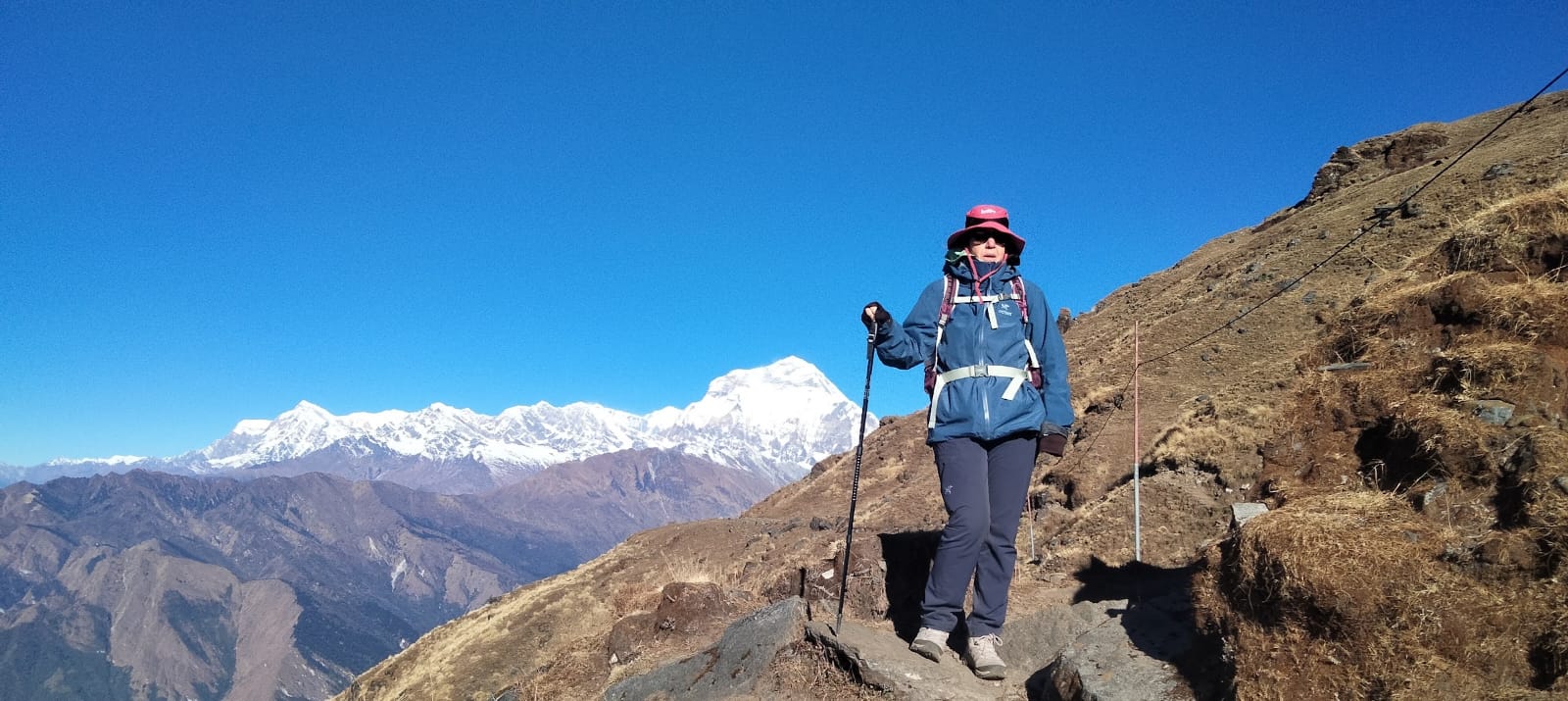


Mardi Himal Trek Highlights
- Trek to Mardi Himal Base Camp (4,500m), a beautifully hidden viewpoint set directly beneath the towering Machhapuchhre (Fishtail).
- Enjoy stunning close-up panoramas of Annapurna South, Hiunchuli, Mardi Himal, and Annapurna I along the high ridge.
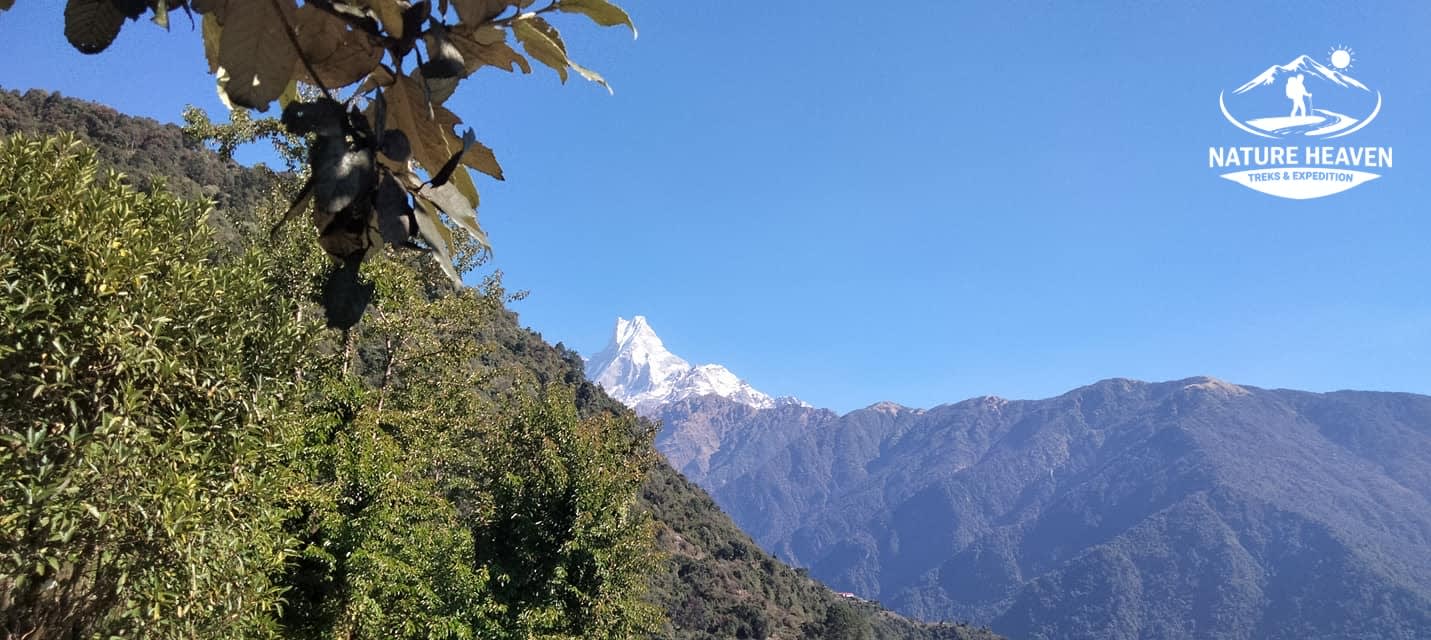
- Stand face to face with the sacred and unclimbed Machhapuchhre (Fishtail), one of the most beautiful peaks in the Himalayas.
- Experience one of Nepal’s finest off-the-beaten-path treks, far quieter than the classic Annapurna routes.
- Walk through enchanting rhododendron, oak, and bamboo forests, especially colorful and blooming in spring.
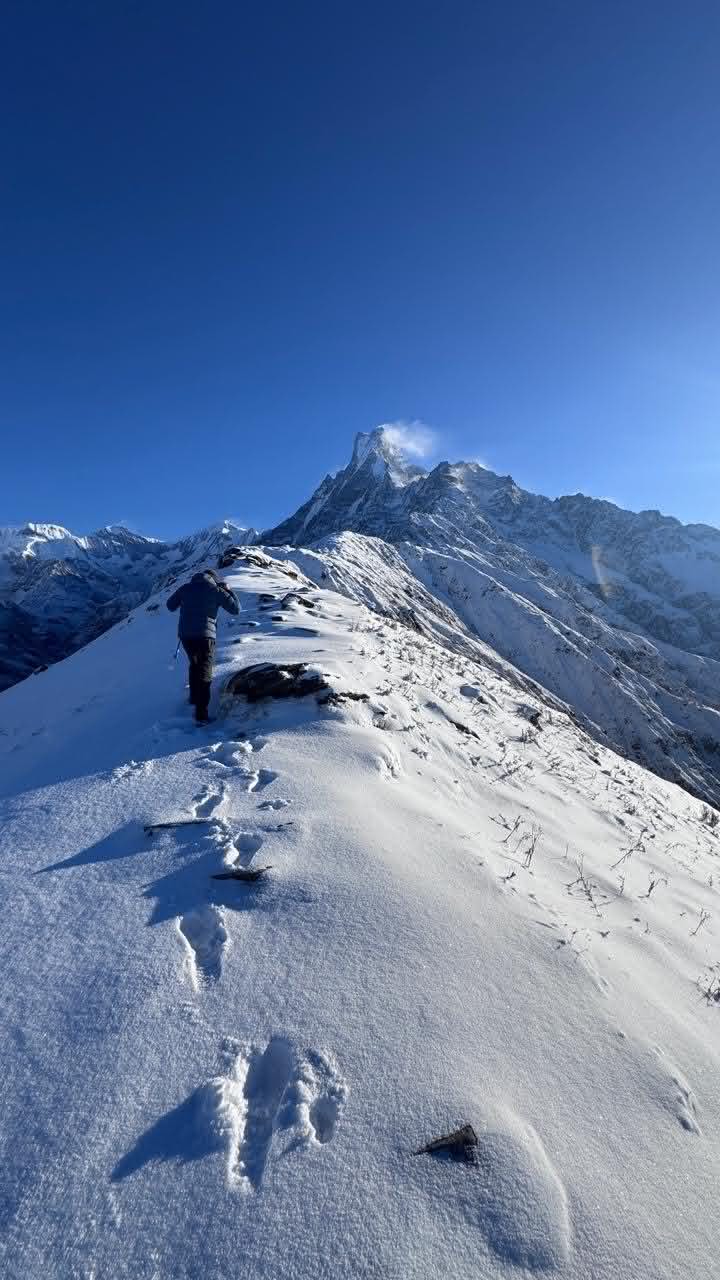
- Follow a dramatic high ridgeline with the mountains rising sharply on either side of the trail.
- Pass through traditional Gurung and Magar villages, terraced farmland, and the foothills of the Annapurna range.
- Stay in cozy ridge-top camps such as Forest Camp, Low Camp, and High Camp, surrounded by mountain scenery.
- Cross from lush green forest into open alpine meadows and rugged high-mountain terrain in just a few days.
- Trek within the Annapurna Conservation Area, Nepal’s largest protected area, rich in flora and fauna.
- Spot Himalayan wildlife and birds, including the colorful Danphe (Himalayan monal), Nepal’s national bird.
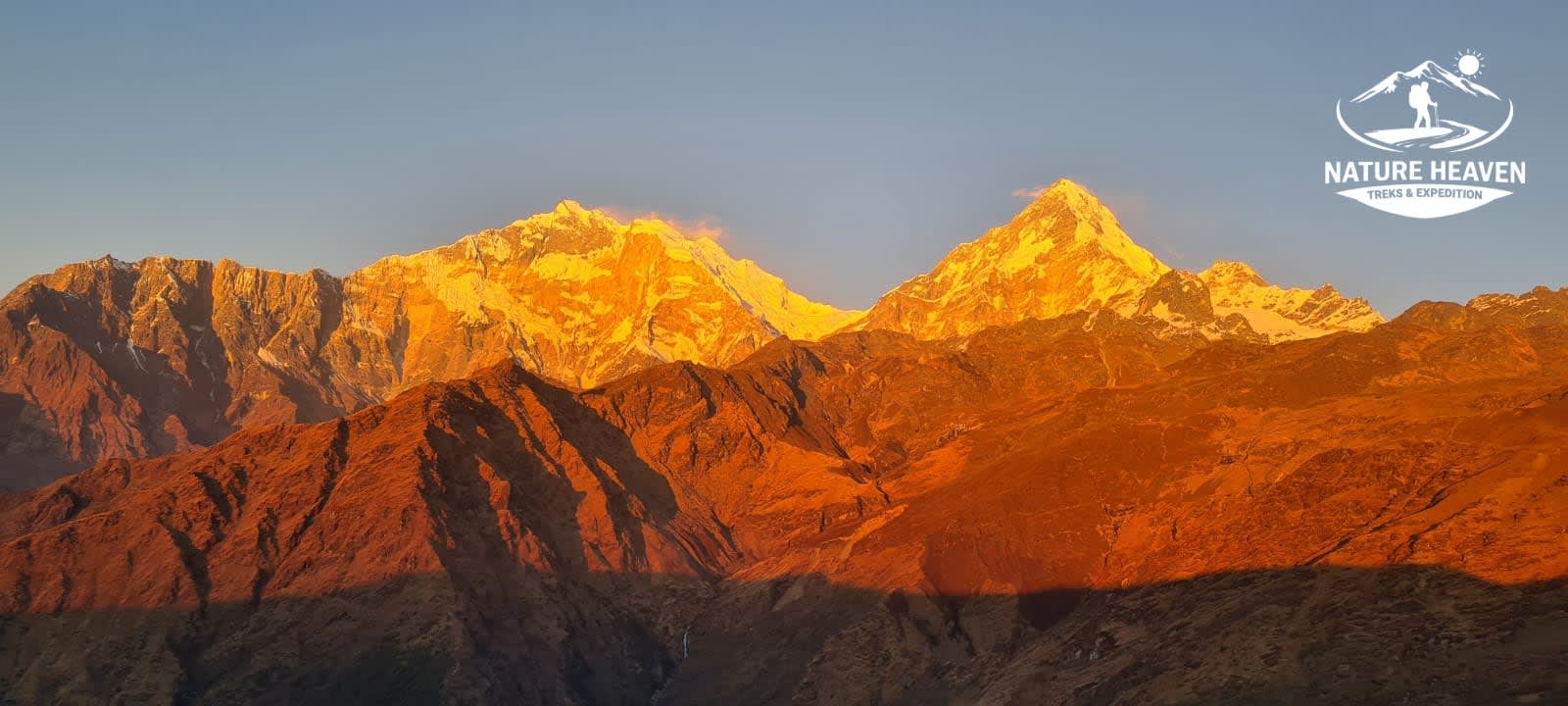
- Witness magical sunrises and sunsets over the Annapurna range from High Camp and the upper viewpoint.
- Relax in the beautiful lakeside city of Pokhara beside tranquil Phewa Lake before and after the trek.
- Capture unforgettable photographs of Himalayan panoramas, ridgelines, forests, and traditional villages
- Complete a short but rewarding Himalayan adventure, ideal for those seeking quiet trails and big mountain views.
Mardi Himal Trek Overview
The Mardi Himal Trek is one of the most beautiful and least-crowded short treks in Nepal, offering a genuine off-the-beaten-path adventure in the heart of the Annapurna region. The highlight of the journey is the climb to Mardi Himal Base Camp (4,500m), a spectacular viewpoint tucked directly beneath the towering walls of Machhapuchhre (Fishtail) and the Annapurna massif.
Set on a hidden ridge near Pokhara, this trek is short, scenic, and wonderfully peaceful, making it ideal for trekkers who want close-up Himalayan views without the crowds of the busier trails. The route winds through lush rhododendron, oak, and bamboo forests before climbing onto a high, open ridge with the great peaks rising dramatically on either side.
Unlike the classic teahouse routes, the Mardi Himal trail was opened to visitors only relatively recently and still feels quiet and unspoiled. From High Camp and the upper viewpoint, trekkers enjoy breathtaking panoramas of Machhapuchhre, Annapurna South, Hiunchuli, Mardi Himal, and Annapurna I, all glowing in the golden light of dawn.
The trek reaches a maximum elevation of 4,500 meters at Mardi Himal Base Camp, with the highest overnight stop at High Camp (around 3,580 meters). Because the trail climbs steadily above 3,000 meters, a sensible pace and good hydration are important, though the moderate altitude keeps it accessible to fit beginners as well as experienced trekkers. The best seasons are spring (March–May) and autumn (September–November), with clear skies and excellent mountain views.
Whether you are searching for the Mardi Himal Trek cost, itinerary, difficulty level, or best time to visit, this trek remains one of the most rewarding short Himalayan adventures in Nepal.
Lukla Flight Information
Kathmandu to Pokhara
The Mardi Himal Trek is based in the Annapurna region near Pokhara, the gateway city to the trek. From Kathmandu, you can travel to Pokhara either by a scenic tourist bus along the Prithvi Highway (around 6–7 hours) following the Trishuli and Marsyangdi rivers, or by a quick 25-minute domestic flight with beautiful mountain views.
Pokhara to the Trailhead
From Pokhara, a short drive of around 1–1.5 hours takes you to the trailhead at Kande, where the walking begins. The drive passes through the villages of Phedi, Naudanda, and the surrounding hills, with lovely views of the Annapurna range and the green countryside along the way.
Returning from the Trek
The trek descends from the ridge to the village of Siding, from where a short drive returns you to Pokhara to relax beside Phewa Lake. You then travel back to Kathmandu by tourist bus or a short domestic flight, completing your journey. Please note that flights are weather-dependent and may occasionally be delayed.
Mardi Himal Trek Online Briefing
After receiving your booking deposit and required documents, Nature Heaven Treks and Expedition will arrange a personalized online briefing via WhatsApp and Email. We will explain your trek itinerary, packing list, Everest trekking weather, altitude preparation, and answer all your questions. Our expert team ensures you are fully prepared, confident, and ready for an unforgettable trekking adventure in Nepal.
Mardi Himal Trek Photo Gallery
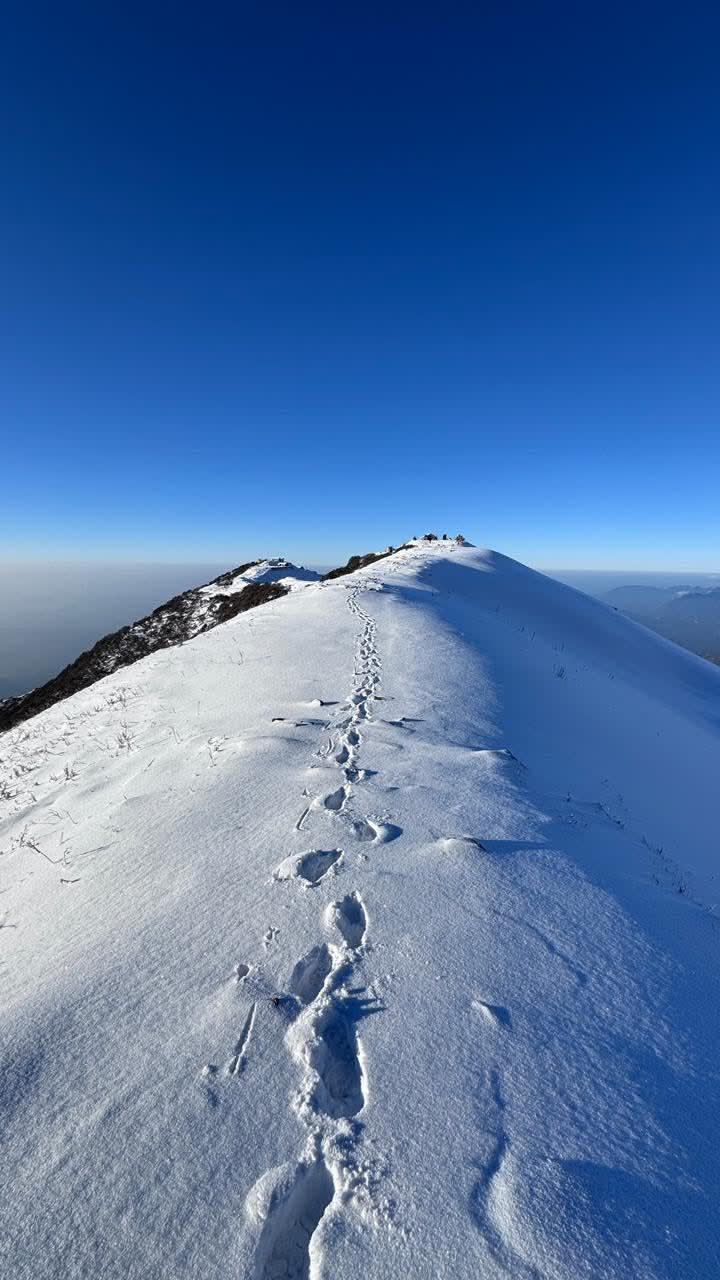
Plan Your Mardi Himal Trek Dates
Pick Your Start Date
Click any date below to select your departure day. The calendar will automatically highlight your full 7-day trip window. Use the arrows to browse months.
Trek Experience Video
Mardi Himal Trek Itinerary
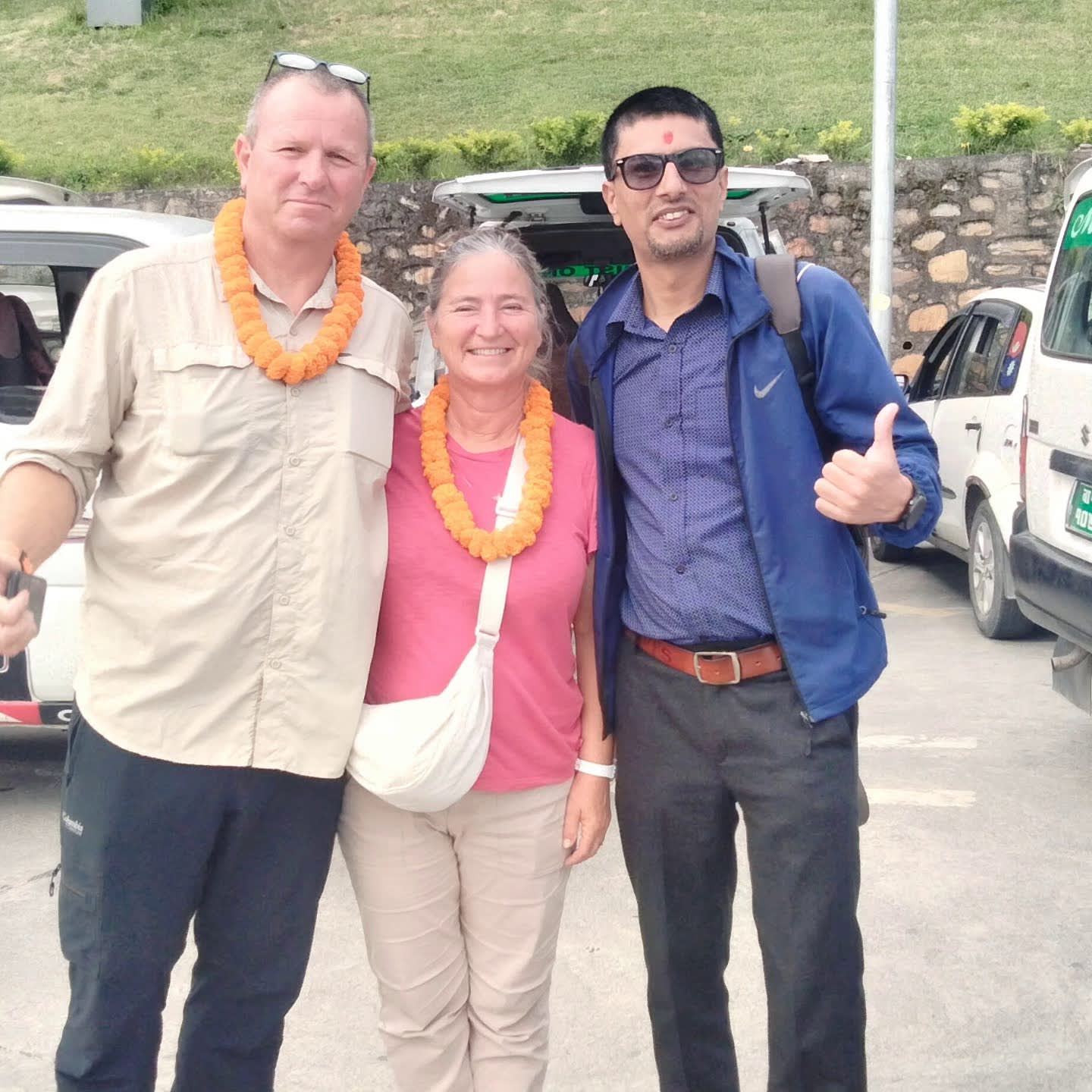
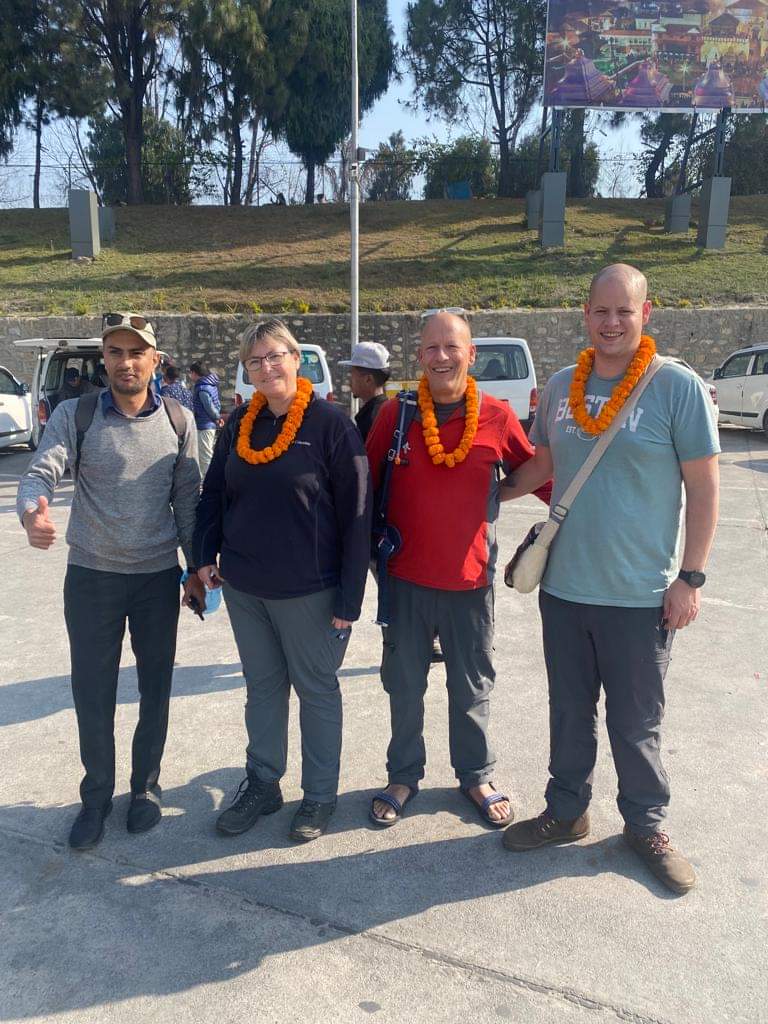
Upon your arrival at Tribhuvan International Airport in Kathmandu, you will be warmly welcomed by the Nature Heaven Trek team. After completing immigration, baggage collection, and customs formalities, you will be assisted with a comfortable transfer to your hotel.
As you travel through Kathmandu, you will get your first glimpse of the city’s lively streets, traditional architecture, and vibrant atmosphere. Once at the hotel, you can check in, freshen up, and take some time to rest after your journey.
Later, you will receive a brief orientation about your upcoming trek, including the itinerary, trekking preparations, and important practical information. You will also have an opportunity to meet your trekking team and discuss any last-minute questions.
The remainder of the day is free for relaxation. Depending on your arrival time and energy level, you may enjoy a short walk around the nearby area and experience the unique atmosphere of Kathmandu.
What is Included in This Package
Transportation
- Kathmandu to Pokhara and Pokhara to Kathmandu by tourist bus or domestic flight (as per package)
- Pokhara to Kande and Siding to Pokhara by private vehicle or jeep
- Private airport pick-up and drop-off service in Kathmandu
Accommodations
- Teahouse and guesthouse accommodation during the trek (twin-sharing)
- 2 nights’ hotel accommodation in Pokhara on a bed-and-breakfast basis
- 1 night’s hotel accommodation in Kathmandu on a bed-and-breakfast basis (after the trek)
Food & Drinks
- Full-board meals (breakfast, lunch, and dinner) during the trek
- Daily seasonal fresh fruits
- Water purification tablets for safe drinking water
- Welcome and farewell dinners in Kathmandu
Guide & Porter
- Licensed, experienced, English-speaking trekking guide
- 1 assistant guide for groups above 8 trekkers
- Porter service (1 porter for every 2 trekkers, carrying up to 18 kg total)
Permits & Fees
- Annapurna Conservation Area Project (ACAP) entry permit
- Trekkers’ Information Management System (TIMS) card
- All applicable local and government taxes
What is Excluded from This Package
Accommodations
- Hotel stays in Kathmandu before the trek
- Extra nights in Kathmandu or Pokhara due to early arrival, late departure, or changes in itinerary
Guide & Porter Tips
- Tips for guides and porters (recommended but not mandatory)
Personal Expenses & Gear
- Nepal tourist visa on arrival at Tribhuvan International Airport
- Personal travel insurance covering trekking and emergency evacuation (recommended)
- Snacks, bottled water, tea/coffee, soft drinks, alcohol, and hot showers
- Wi-Fi, phone calls, and battery charging fees
- Extra porter charges (if required)
- Souvenirs and shopping items
- Personal trekking clothing and equipment
Mardi Himal Trek Route Map

Required Equipment List
Head and Face Essentials
Upper Body Clothing
Handwear
Lower Body
Footwear
Backpack, Support & Sleeping Gear
Electronics & Important Documents
Toiletries & Personal Care Items
Medications & First Aid
Optional Items
Mardi Himal Trek — Important Trip Info
Your Mardi Himal Trek begins with your arrival in Kathmandu, the bustling capital of Nepal and the gateway to the Himalayas. Most international travelers land at Tribhuvan International Airport, the country’s main international airport.
Upon arrival, our team will warmly welcome you and assist with airport transfers, trek documentation, and final trip preparations. Kathmandu offers a fascinating blend of ancient culture, vibrant markets, historic temples, and UNESCO World Heritage Sites, providing the perfect introduction to Nepal before your trekking adventure.
We recommend arriving at least one day before your trek departure date. This allows time to rest after your international flight, complete last-minute gear checks and permit arrangements, and enjoy a comprehensive pre-trek briefing to ensure you are fully prepared for the journey ahead.

Before and after your Mardi Himal Trek, you will stay in comfortable accommodation in Kathmandu and Pokhara, ranging from budget-friendly guesthouses to boutique and luxury hotels. Most hotels offer modern facilities such as Wi-Fi, private rooms, hot showers, restaurants, luggage storage, and transfer services.
In Kathmandu, the most popular area for trekkers is Thamel, the vibrant tourist hub known for its trekking gear shops, restaurants, and lively atmosphere. In Pokhara, the Lakeside area beside Phewa Lake offers a relaxed setting with beautiful mountain reflections, ideal for resting before and after the trek.
Along the trail, accommodation is in cozy local teahouses and ridge-top camps such as Forest Camp, Low Camp, and High Camp. These simple lodges offer warm dining halls, basic but comfortable rooms, and wonderful mountain views, providing an authentic and memorable mountain experience.

Mardi Himal takes its name from the graceful peak of Mardi Himal (5,587m), which rises just south of the sacred Machhapuchhre (Fishtail) in the Annapurna range. The trek follows a high ridge that climbs toward the base of these mountains, ending at Mardi Himal Base Camp, one of the most scenic and intimate viewpoints in the region.
Although it sits close to the popular Annapurna Base Camp and Poon Hill routes, the Mardi Himal trail was developed for trekkers only relatively recently. For years it remained little known and rarely walked, which is exactly why it still feels so quiet, wild, and unspoiled today.
Now, with well-maintained paths and a friendly string of teahouses along the ridge, the Mardi Himal Trek welcomes trekkers of all kinds, from first-time hikers seeking a peaceful introduction to the Himalayas to seasoned trekkers and photographers in search of a short, spectacular escape into the high mountains.
The Mardi Himal Trek lies in north-central Nepal within the vast Annapurna Conservation Area, the largest protected area in the country. The trek climbs a forested ridge that runs directly toward the high peaks, offering wonderfully close views of the mountains without the long approach of other routes.
As trekkers ascend from Kande through Forest Camp and Low Camp up to High Camp and the base camp, they pass through a rich landscape of temperate forests, open ridges, alpine meadows, and rocky high-mountain terrain, with the great Himalaya rising dramatically all around.
Major Geographical Highlights
• Machhapuchhre (Fishtail) – 6,993 meters, a sacred and unclimbed peak famous for its distinctive twin summit, towering directly above the trail.
• Annapurna I – 8,091 meters, the tenth-highest mountain in the world and the first 8,000er ever climbed.
• Annapurna South – 7,219 meters, a striking peak rising above the ridge throughout the trek.
• Mardi Himal – 5,587 meters, the elegant peak that gives the trek its name and looms above the base camp.
• Hiunchuli – 6,441 meters, a beautiful snow peak seen alongside Annapurna South.
• Mardi Himal Base Camp – 4,500 meters, the highest point of the trek and its spectacular final viewpoint.
Together with rivers, ridgelines, rhododendron forests, and traditional villages, these features create one of the most scenic and rewarding trekking experiences in the Himalayas.
Although the Mardi Himal Trek spends much of its time high on a forested ridge, its lower trails and the descent to Siding pass through the traditional Gurung and Magar villages that are typical of the Annapurna foothills. These hillside settlements, with their stone houses and terraced fields, offer a glimpse of authentic mountain life.
The Gurung people are renowned throughout Nepal for their warm hospitality and their long history of service in the Gurkha regiments. In the villages around the trail, trekkers can experience the welcoming atmosphere of teahouses, learn a little about local customs and dress, and enjoy the friendly culture of the region.
Cultural Highlights of the Trek
• Gurung and Magar Villages – traditional hillside settlements with stone houses and terraced fields.
• Ridge-Top Teahouses – simple mountain lodges where local hosts share food and stories.
• Warm Himalayan Hospitality – a friendly and welcoming local culture throughout the trail.
• Living Heritage – a chance to experience authentic mountain village life on the descent to Siding.
The Mardi Himal Trek is renowned for its beautiful forests and spectacular viewpoints, which are among the trek’s most memorable features.
Rhododendron Forests
Much of the lower and middle trail winds through dense forests of rhododendron, oak, bamboo, and pine. In spring (March–April), the rhododendrons Nepal’s national flower burst into bloom, painting the ridge in shades of red, pink, and white and creating one of the most beautiful trekking environments in the country.
Sunrise and Sunset Viewpoints
High Camp and the upper viewpoint near Mardi Himal Base Camp are the trek’s signature spots, offering close-up panoramas of Machhapuchhre, Annapurna South, Hiunchuli, and Mardi Himal glowing in the dawn light. Low Camp and Badal Danda also provide superb sunset and daytime views, giving trekkers multiple opportunities for unforgettable mountain photography.
The Mardi Himal Trek packs an extraordinary amount of Himalayan beauty into a short and accessible journey, making it one of Nepal’s most rewarding hidden treks.
Mardi Himal Base Camp – The Hidden Viewpoint
Mardi Himal Base Camp rises to 4,500 meters (14,763 ft) and is widely regarded as one of the most beautiful and intimate viewpoints in the Annapurna region. From its rocky perch, trekkers enjoy a sweeping panorama of Machhapuchhre, Mardi Himal, Annapurna South, Hiunchuli, and Annapurna I rising almost within reach.
A Quiet, Off-the-Beaten-Path Adventure
With its forested ridge, peaceful camps, and relatively recent opening to trekkers, the Mardi Himal Trek offers a quieter and more secluded experience than the busier Annapurna routes, making it a favorite for travelers seeking solitude and stunning scenery.
A Memorable Himalayan Adventure
From blooming rhododendron forests and dramatic ridgelines to the spectacular viewpoint beneath Machhapuchhre, every step of the trek offers something special. It is a perfect short trek for those wanting close mountain views and a genuine high-Himalayan feel in just a few days.
The Mardi Himal Trek follows a narrow ridge and climbs above 3,000 meters, so trekking with a professional guide greatly enhances both safety and enjoyment along the way. Under current regulations, a licensed guide is required for trekking in this region.
Benefits of Trekking with a Professional Guide
• Local Knowledge – guides share insights into the culture, history, and nature of the Annapurna foothills.
• Route Navigation – guides keep you on the correct ridge trail and manage the daily schedule, especially in cloud or mist.
• Health Monitoring – guides watch for any signs of altitude discomfort and keep an eye on your wellbeing.
• Emergency Support – in case of illness, injury, or bad weather, guides coordinate immediate assistance if necessary.
• Logistical Management – guides handle accommodation, transport, permits, and daily operations, so you can simply enjoy the journey.
Nutritious and tasty meals are available throughout the Mardi Himal Trek, with the ridge-top teahouses offering a variety of local and international dishes. Despite the remote setting, the lodges serve hearty, freshly cooked meals to keep trekkers energized.
Popular Food Options
• Dal Bhat (the most common and highly recommended trekking meal, often with free refills)
• Fried rice, noodles, and pasta
• Momos (Nepali dumplings) and pancakes
• Soups, potatoes, and eggs
• Seasonal vegetables and local specialties
Popular Beverages
• Tea (black, milk, and herbal varieties)
• Coffee and hot chocolate
• Hot lemon and ginger tea
Drinking Water
Safe drinking water is available throughout the route via purified, boiled, or filtered water, supported by purification tablets. Staying well-hydrated is especially important as you climb higher, helping you stay comfortable and reduce the risk of altitude discomfort. Using refillable bottles also helps reduce plastic waste in the mountains.
The Mardi Himal Trek is a moderate trek that climbs above 3,000 meters and reaches 4,500 meters at the base camp. Although the highest overnight stop (High Camp, around 3,580 meters) keeps the altitude manageable, Acute Mountain Sickness (AMS) is still possible higher up, so it is wise to ascend at a steady pace and stay alert to how you feel.
Staying Healthy on the Trail
• Maintain a steady, comfortable pace, especially on the climb to High Camp and the base camp.
• Drink plenty of water and eat well to keep your energy and hydration up.
• Wear good trekking boots and use trekking poles to protect your knees on the steep ridge.
• Rest as needed and let your guide know immediately if you feel unwell at any point.
With a sensible pace and a good level of fitness, most travelers complete the Mardi Himal Trek comfortably, enjoying the climbs and descents to the fullest while staying safe at altitude.
Following a few simple guidelines helps ensure a smooth, safe, and enjoyable Mardi Himal Trek.
Essential Safety Guidelines
• Trek with licensed guides – travel with experienced, certified guides for safety, navigation, and local insight.
• Pace yourself on the ridge – take your time and short breaks on the steep climbs to High Camp and base camp.
• Stay hydrated – drink plenty of water throughout the day, especially at higher altitude.
• Dress in layers – mornings and evenings can be cold, particularly at High Camp and the viewpoint.
• Use trekking poles – they help on both the steep climbs and the long descents along narrow trails.
• Follow your guide’s advice – especially regarding weather, timing, altitude, and trail conditions
The Mardi Himal Trek reaches a maximum altitude of 4,500 meters at the base camp, with the highest overnight stop at High Camp (around 3,580 meters). Because the trail climbs steadily and gains height each day, a little care with acclimatization goes a long way.
The standard itinerary is designed with safe, gradual altitude gain in mind, and the moderate maximum height keeps the risk lower than on longer high-altitude treks. Even so, it is wise to walk at a steady pace, stay well hydrated, avoid alcohol at altitude, and let your guide know if you ever feel unwell. This balanced profile is what makes the Mardi Himal Trek both rewarding and accessible to fit trekkers.
The Annapurna region has well-established trails, growing trekking infrastructure, and experienced local support. Although the Mardi Himal route is quieter and more remote than the classic trails, it is now well served by ridge-top teahouses and clearly marked paths.
Facilities Available Along the Trail
• Lodges and Teahouses – simple but comfortable ridge-top camps with warm dining halls and mountain views.
• Hot Showers and Charging – available in many teahouses, usually for a small extra fee.
• Communication Services – mobile networks and Wi-Fi are available in some spots, though coverage is limited higher up.
• Emergency Support – guides and nearby road access allow for assistance and evacuation if needed.
With its improving infrastructure, moderate altitude, and beautiful scenery, the Mardi Himal Trek is both a safe and wonderfully peaceful trek in Nepal.
Kathmandu to Pokhara
You travel from Kathmandu to Pokhara by tourist bus along the Prithvi Highway (around 6–7 hours) or by a short 25-minute domestic flight, both offering scenic views of rivers, hills, and mountains.
Pokhara to the Trailhead and Back
From Pokhara, a short drive of around 1–1.5 hours reaches the trailhead at Kande. At the end of the trek, a similar drive returns you from Siding village to Pokhara, before you continue back to Kathmandu by bus or flight.
Note on Mountain Flights
Domestic flights between Kathmandu and Pokhara are convenient and scenic but weather-dependent, so a small amount of flexibility in your schedule is always wise.
Because the Mardi Himal Trek climbs into colder, higher country, the right gear keeps you comfortable in the changing Himalayan weather:
• Comfortable, broken-in trekking boots with good grip for the rocky ridge
• Warm layers and a good down or fleece jacket for cold mornings and evenings at High Camp
• Sleeping bag (provided if needed) for cold nights on the high ridge
• Trekking poles to help on the steep climbs and long descents
• Waterproof jacket and a small backpack with rain cover
• Sun hat, warm hat, gloves, sunglasses, and sunscreen
• Headlamp for the early start to the upper viewpoint and base camp
With light, practical gear and a comfortable pair of boots, trekkers can fully enjoy the beauty of the Mardi Himal Trek.
The Mardi Himal Trek is rated moderate, and a good level of fitness will make it far more enjoyable, especially the steady climbs to High Camp and the base camp:
• Regular walking or hiking in the weeks before your trip
• Cardiovascular training such as walking, jogging, or cycling to build stamina
• Hill or stair climbing to prepare for the long uphill sections
• Light strength work for the legs and core to handle ups and downs comfortably
With a little preparation, trekkers of most ages and reasonable fitness can complete and thoroughly enjoy this rewarding short trek.
The Annapurna region experiences clear seasonal variations, and conditions can change with altitude and time of day, so a little preparation goes a long way.
Spring (March–May)
• Spectacular rhododendron blooms along the ridge
• Clear mountain views and comfortable daytime temperatures
• One of the best and most popular seasons for the trek
Autumn (September–November)
• Stable, dry weather and excellent visibility
• Ideal trekking temperatures and clear mountain panoramas
• Peak season for the Mardi Himal Trek
Winter (December–February)
• Cold but often clear, with crisp mountain views
• Snow likely at High Camp and the base camp
• Quieter trails for well-prepared trekkers ready for the cold
Monsoon (June–August)
• Rainfall in the hills, with lush green landscapes
• Leeches in the forested sections after rain
• Cloudier conditions with more variable mountain views
Overall, the best trekking conditions are during spring and autumn, when the weather is stable and the mountain views are at their finest — with spring especially prized for the rhododendron blooms.
The official currency of Nepal is the Nepalese Rupee (NPR), which is used throughout the Annapurna region for all local transactions.
Useful Payment Tips
• Carry enough cash from Kathmandu or Pokhara – ATM access is not available along the ridge trail.
• ATM availability – ATMs are available in Kathmandu and Pokhara but not in the trekking camps.
• Card payments – accepted in city hotels and agencies but rarely in mountain teahouses.
• Cash-based villages – trekking camps operate almost entirely on cash, so carry enough NPR for food, drinks, and small purchases.
To trek the Mardi Himal route, trekkers are required to obtain official permits that support conservation and trekker safety management.
Required Permits
Annapurna Conservation Area Project (ACAP) Permit
This permit is mandatory for all trekkers entering the Annapurna Conservation Area, Nepal’s largest protected area. The fee supports conservation of the region’s unique ecosystems, wildlife, and trails, as well as local community development.
Trekkers’ Information Management System (TIMS) Card
The TIMS card is required for all trekkers in the region and helps the authorities manage trekker safety and records along the trail.
Important Information
• Permit fees are set by the Nepal government and local authorities and may change periodically.
• Permits are usually arranged through registered trekking agencies in Kathmandu or Pokhara.
• Trekkers must carry permits at all times, as they are checked at checkpoints along the route.
Most international travelers can easily obtain a tourist visa on arrival at Tribhuvan International Airport, making entry into Nepal simple and convenient.
Available Tourist Visa Options
• 15 Days Tourist Visa – ideal for short trips such as the Mardi Himal Trek
• 30 Days Tourist Visa – useful if combining the trek with other travel
• 90 Days Tourist Visa – best for extended travel in Nepal
Visa Requirements
• A passport valid for at least 6 months from the date of entry
• Recent passport-sized photographs
• Completed visa application form (available at the airport or online)
• Applicable visa fee (payable in major foreign currencies)
Important Notes
• Visa extensions are possible in Nepal if you wish to extend your stay.
• Carry some cash in USD or other major currencies for the visa payment.
• Immigration is usually smooth, but queues can be long during peak trekking seasons.
What our travellers say
“The Manaslu trek is incomparable. It's suitable as a first trek in the Himalayas — plenty of time for acclimatisation and such captivating views that spending time on "altitude sickness" would be a pity. And it's a special pleasure to walk with Krishna. He is a knowledgeable, reliable and brave guide, and a very pleasa…”
Kafle
Senior Himalayan Specialist
“Namaste! I have been guiding in the Himalayas for over 15 years. Contact me directly to customize your itinerary or check live trail conditions.”
Secure Booking System
Your checkout session is secure and encrypted by 256-bit SSL. Associated with TAAN, KEEP, NMA, and registered with Nepal Tourism Board.