

The best time to visit Nepal is October and November, when clear autumn skies, dry trails, and comfortable temperatures line up with the country's biggest festivals but that answer changes fast depending on what you're actually planning to do. This guide is built for trekkers and first-time Nepal travelers trying to nail down their trip dates, not just browse pretty photos of the Himalayas. We'll cover Nepal's weather season by season, exactly when to go for Everest Base Camp, Annapurna, Manaslu and Chitwan, how altitude changes everything, and how to avoid both the rain and the crowds.

Best Time to Visit Nepal: Month-by-Month Weather & Trekking Guide
Nepal doesn't really have one "best time" it has a best time for you, depending on where you're headed and what you want out of the trip. October and November get all the credit, and they earn it: clear mountain views, dry trails, and Nepal's two biggest festivals, Dashain and Tihar, land in this window most years. But if you're chasing rhododendrons in bloom, tiger sightings in Chitwan, or a trail with nobody else on it, a different month wins.
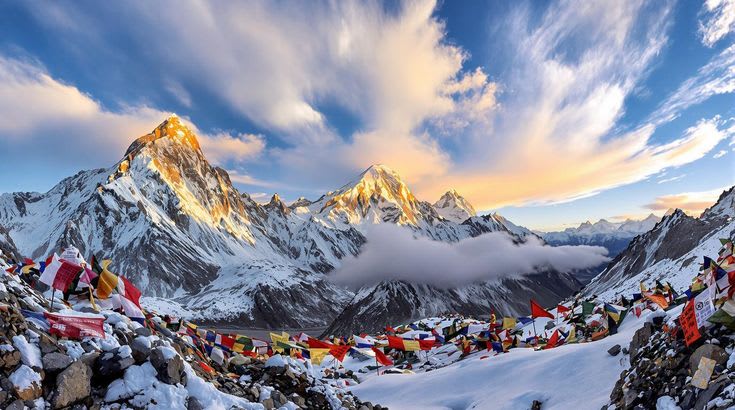 Best Time To Visit Nepal
Best Time to Visit Nepal at a Glance
Start here, then read the section that matches your plan.
If you want... | Go in... |
|---|---|
The single best all-round month | October |
Peak mountain visibility | Late October–November |
Rhododendrons in bloom | Late March–April |
Wildlife (tigers, rhinos in Chitwan) | December–March |
Fewer trekkers on the trail | December–February, or June–August |
Lower prices on flights and lodges | June–August (with weather trade-offs) |
Trekking during monsoon | Upper Mustang or Upper Dolpo |
Everest Base Camp | March–May or late Sept–November |
Warm days, cooler nights | Late Sept–October, or April |
Nepal's Seasons Explained
Spring (March to May)
Spring is Nepal's second trekking season, and for a lot of climbers, its best one. Snow has cleared from most high passes, days are getting longer, and by April the hillsides along routes like Langtang Valley and the lower Everest trail turn red and pink with blooming rhododendron forest Nepal's national flower, and honestly one of the best reasons to time a trip around a specific month. It's also Everest climbing season, so if you're heading to Base Camp in April or early May, expect to share the trail with expedition teams gearing up for summit pushes.
The trade-off: by mid-May, lower-elevation towns like Pokhara and Kathmandu get hot and hazy, and afternoon cloud can start rolling in ahead of the monsoon. If you want spring without the heat, aim for late March through April rather than May.
Monsoon (June to September)
This is the season every other guide tells you to skip entirely, and mostly, they're right but "mostly" is doing some work there. From June through early September, rain falls most afternoons, high trails turn to mud, leeches come out in the Annapurna and Langtang foothills, and mountain views vanish behind cloud for days at a time. Flights to Lukla get unreliable, and some roads wash out.
What monsoon is good for: Kathmandu Valley sightseeing (temples don't care about rain), Chitwan's jungle turning lush and green, and if you're willing to go off the standard route trekking in Nepal's rain-shadow regions, which stay dry all summer. More on that below.
Autumn (September to November)
This is the season that shows up first in almost every "best time to visit Nepal" answer, and it earns the spot. Once the monsoon clears usually mid-to-late September Nepal gets weeks of stable, dry, clear weather in a row. Mountain visibility is at its best all year, trails are firm without being frozen, and daytime temperatures at trekking altitude are genuinely comfortable.
It's also festival season. Dashain (Nepal's biggest Hindu festival, honoring the goddess Durga) usually falls in late September or October, followed two weeks later by Tihar, the festival of lights. If your trip lands during either, expect a livelier and sometimes busier Kathmandu, plus the chance to see rituals most visitors never catch outside this window.
The one downside: everyone else knows this too. October, in particular, is Nepal's most crowded trekking month, so book teahouses and permits ahead, or push your trip into November for nearly identical weather with noticeably thinner crowds.
Winter (December to February)
Winter gets written off too quickly. Yes, it's cold genuinely cold above 4,000m, with overnight temperatures at Everest Base Camp routinely dropping below -15°C in January. High passes can close with snow, and some teahouses on the busier circuits shut for the season.
But at lower elevations, winter is quietly one of the best times to be in Nepal. Kathmandu and Pokhara stay mild during the day, skies are often crystal clear (winter has the least cloud cover of any season), and December is prime time for wildlife viewing in Chitwan National Park, when dry grass and low water levels push tigers and rhinos toward open ground. Routes like Poon Hill and lower Annapurna trails stay very doable, and you'll have them mostly to yourself.
Why Nepal's Weather Isn't the Same Everywhere
Here's the part most "best time to visit Nepal" guides skip, and it matters more than any single season: Nepal's temperature drops by roughly 6°C for every 1,000 meters you climb. That single fact explains why the same week in January can mean 23°C and sunshine in Chitwan (elevation 150m) and -15°C with snow at Everest Base Camp (elevation 5,364m).
Practically, this means "the best time to visit Nepal" is really three separate questions:
- Terai lowlands (Chitwan, Bardia, Lumbini): hot and humid April–June, wet June–September, mild and dry October–March. This is where winter really shines.
- Kathmandu Valley (Kathmandu, Bhaktapur, Patan): mild year-round, cold mornings in December–January, wet June–September.
- High Himalaya (Everest, Annapurna, Manaslu, Langtang): brutally cold and dry in winter, warm and clear in autumn and spring, and closed off by snow at the highest passes for parts of winter.
Best Time to Visit Nepal by Trek
Different routes reach different altitudes and directions, which shifts their ideal windows slightly.
- Everest Base Camp Trek: March–May and late September–November. Winter is possible for experienced, well-equipped trekkers, but overnight temperatures well below freezing and the risk of closed passes make it a serious undertaking rather than a casual one.
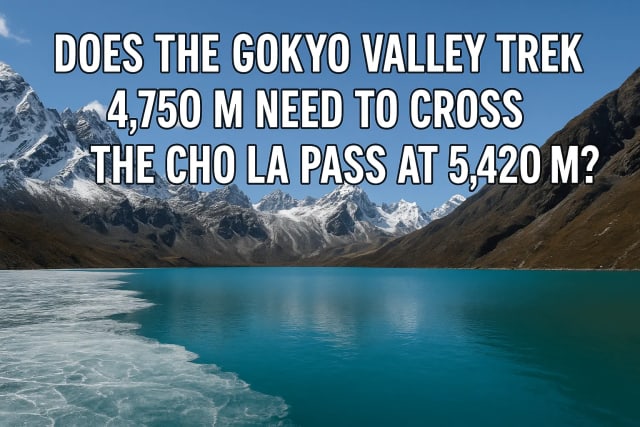
- Everest Base Camp via Gokyo Lakes / Everest Three Passes Trek: same windows as EBC, but book earlier teahouses along these longer, higher routes are smaller and fill up fast in peak autumn.
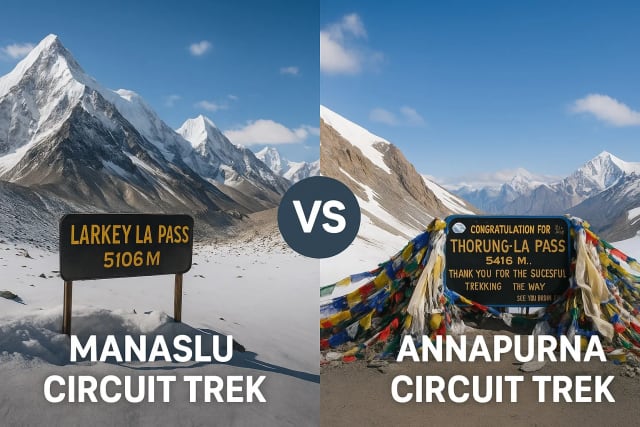
- Annapurna Circuit Trek: March–May and October–November. The circuit crosses the high Thorong La pass, which can close with heavy snow in winter, so shoulder-season timing matters more here than on most routes.
- Annapurna Base Camp Trek: same two windows, though ABC sits lower than the Circuit's high pass, so it's more forgiving in early spring or late autumn.

- Manaslu Circuit Trek: March–May and September–November. Manaslu opens a little later in spring than Annapurna and Everest, since its Larkya La pass holds snow longer.
- Poon Hill Trek: genuinely a near-year-round trek thanks to its lower altitude even winter works well here, and it's one of the best "off-season" routes on this list.
- Langtang Valley Trek: March–May and October–November, with the added bonus of some of the best rhododendron displays in the country come April.
- Upper Mustang Trek: this one flips the calendar. Because Mustang sits in the Annapurna rain shadow, it's actually best from May through October including the middle of monsoon, when the rest of Nepal is soaked.
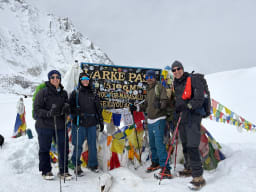
Best Time for Kathmandu, Pokhara & Chitwan
Kathmandu is comfortable nearly year-round. October–November and March–April are the sweet spots for sightseeing without heavy rain or bone-cold mornings, though even a hazy monsoon afternoon doesn't stop you from exploring Durbar Square or Boudhanath.
Pokhara, the gateway to the Annapurna and Nepal's paragliding hub, follows the same October–November and March–April logic clear lake views and good flying conditions. Monsoon fog frequently grounds paragliding flights here, so if that's on your list, avoid June–August.
Chitwan National Park actually prefers the opposite season from the mountains: December through March, when the dry season pushes wildlife toward open grassland and rivers, giving you the best odds of spotting a one-horned rhino or, with some luck, a Bengal tiger.
 Best Time To Visit Nepal
Trekking in the Rain Shadow: Nepal's Monsoon Workaround
If your only free weeks fall in July or August, you're not necessarily stuck. Upper Mustang and Upper Dolpo sit north of the Annapurna and Dhaulagiri ranges, which physically block the monsoon clouds from reaching them. While the rest of Nepal is under cloud and mud, these high desert regions stay dry, and trails through Mustang's canyon country and centuries-old cave monasteries are genuinely at their best from May to October. It's a niche option, but for monsoon-season travelers who still want to trek rather than settle for city sightseeing, it's the single most useful piece of advice in this entire guide.
Best Time to Avoid Crowds and Save Money
Peak season (October, and April to a lesser extent) means full teahouses, pricier flights, and busier trails on routes like EBC and Annapurna. If crowds bother you more than a colder night or a rainy afternoon, consider:
- December–February: cold but clear, with a fraction of autumn's trekker numbers good for Poon Hill, lower Annapurna, and Chitwan.
- Late November or early March: you get 90% of peak-season weather with noticeably thinner trails, since most travelers cluster around October and April.
- Monsoon (June–August): the cheapest, quietest window by far, best suited to Kathmandu Valley culture, Upper Mustang, or accepting that mountain views are a gamble.
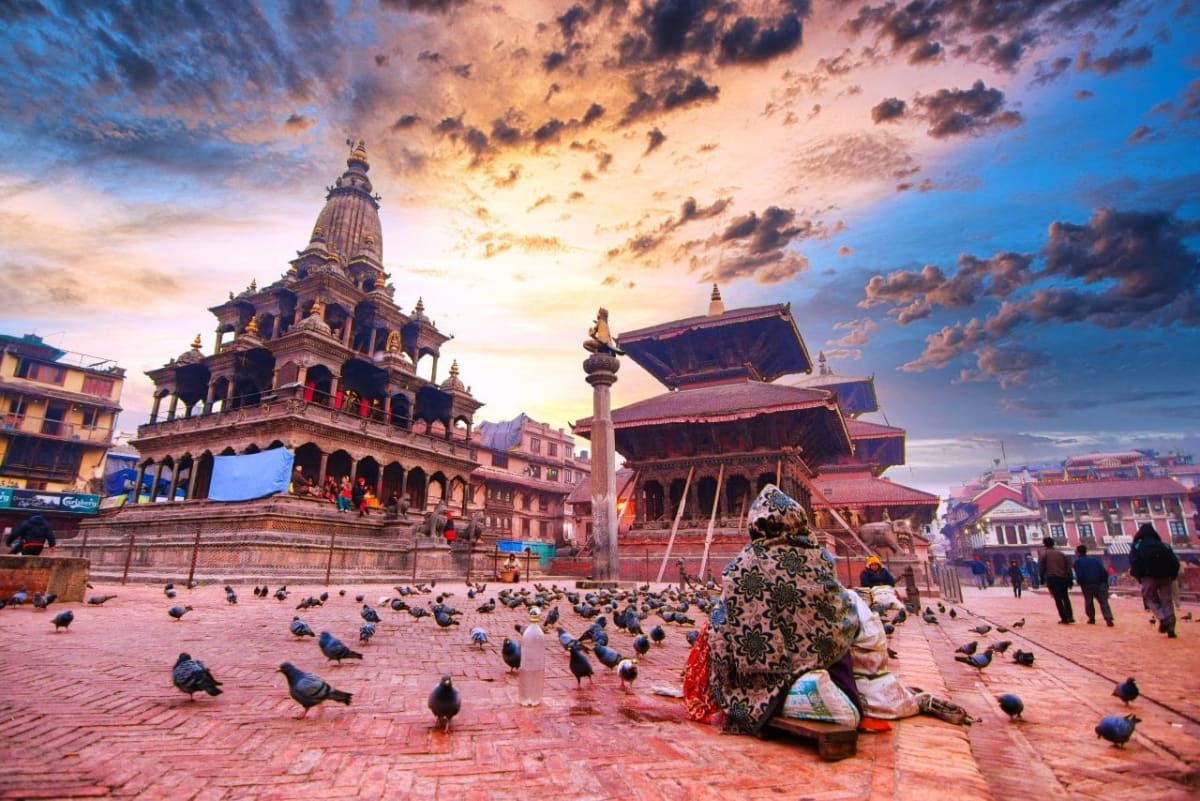 Best Time To Visit Nepal
What to Pack, Season by Season
- Spring: breathable layers, a light rain jacket for afternoon showers, sturdy trekking shoes, sun protection (UV is strong at altitude).
- Monsoon: a proper waterproof jacket, a rain cover or dry bag for your pack, quick-dry clothing, and insect repellent for leech-prone lower trails.
- Autumn: a warm mid-layer for cold mornings and evenings, sunglasses, and a good hat daytime sun at altitude is intense even when it's cold.
- Winter: a down jacket, thermal base layers, insulated gloves, and a sleeping bag rated well below freezing if you're trekking above 3,000m.
Conclusion
For most first-time travelers, October and November are the safest bet good weather, reliable trekking conditions, and festivals worth planning around. If you'd rather trade a little crowding for warmer days and rhododendrons underfoot, March and April are just as strong. Beyond that, it really does come down to what's on your list: winter for wildlife and quiet trails, monsoon for Upper Mustang and Kathmandu culture, and shoulder-season weeks for a version of peak conditions without the peak-season crowd.
Not sure which trek fits your dates? Our Sherpa-led team at Nature Heaven Treks plans every trip around your travel window, not the other way around get in touch and we'll match the right route to the right season for you.
Plan your trek
Want to Plan Your Holiday in Nepal?
Tell us your dates and fitness level. A local expert replies within a day with a private itinerary and price.
Frequently Asked Questions
What is the best month to visit Nepal?
October, for the combination of clear skies, dry trails, and major festivals though it's also the busiest month, so book ahead.
Is Nepal worth visiting during monsoon?
Yes, if you adjust your plans Kathmandu Valley sightseeing, Chitwan's greenery, and rain-shadow trekking in Upper Mustang all hold up well through June–September.
What is the best time to trek to Everest Base Camp?
March to May, or late September to November. Winter is possible for well-prepared, experienced trekkers only.
What is the cheapest time to visit Nepal?
Monsoon (June–August) and deep winter (January) typically bring the lowest flight and lodge prices, since demand drops off.
When should I avoid visiting Nepal?
There's no single month to skip entirely, but if you want to avoid both rain and extreme cold, steer around July–August (peak monsoon) and January (coldest month at altitude) for high-mountain trekking specifically.