

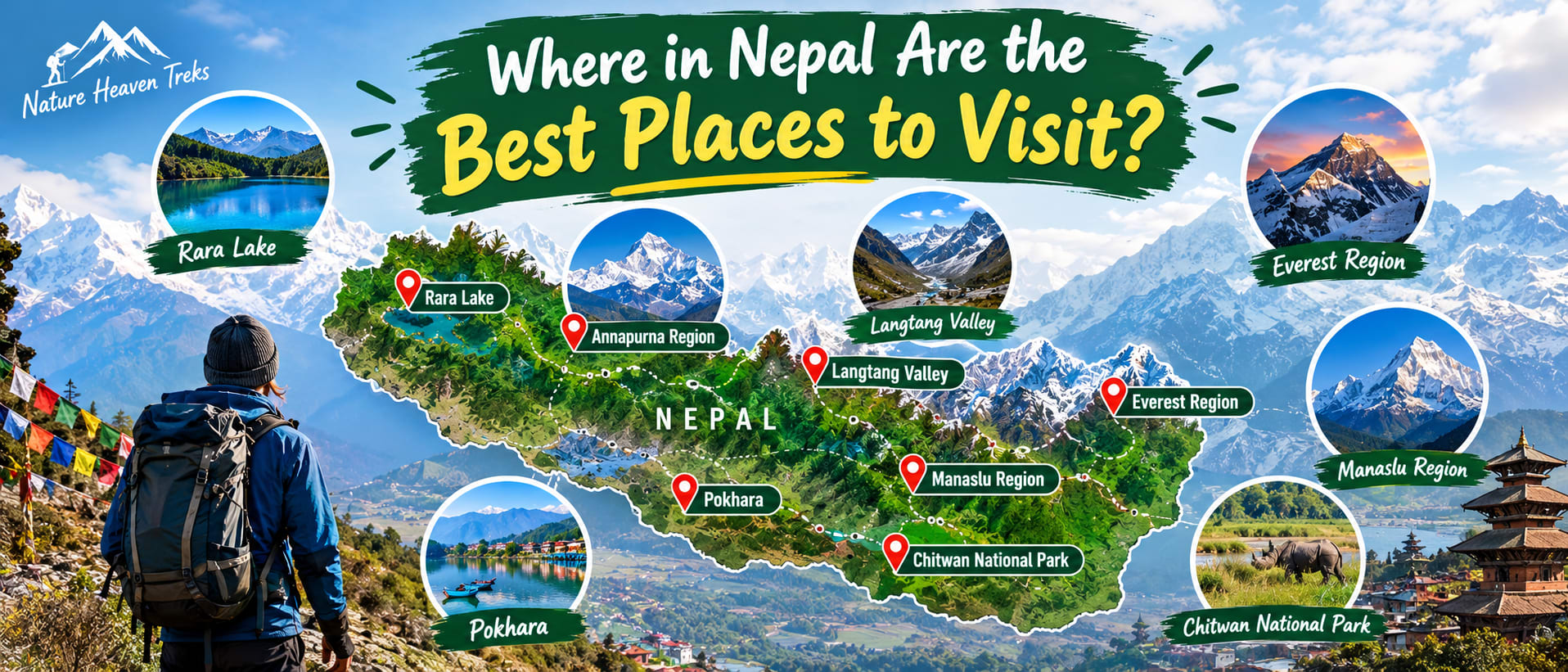
Where in Nepal are the best places to visit? Honestly, it depends what you're after Nepal packs an unreasonable amount of variety into a country roughly the size of England. This is a guide for travelers planning their first (or next) trip to Nepal people who've already decided they're going, and now need to figure out where, for how long, and when. You could spend two weeks chasing Everest views and never see a rice paddy, or spend the same two weeks in the Terai lowlands tracking rhinos and never see snow. Both trips are "Nepal." Below, we break down the country's best destinations by what they're actually good for, so you can build a trip around your interests and your calendar instead of just working through someone else's bucket list.
What Are the Best Places to Visit in Nepal?
Destination | Best For | Recommended Stay |
|---|---|---|
Kathmandu Valley | Culture & heritage | 2–3 days |
Pokhara | Mountains & relaxation | 2–4 days |
Everest Region | Trekking & Himalayas | 10–16+ days |
Annapurna Region | Trekking & villages | 5–12+ days |
Chitwan | Wildlife & safari | 2–3 days |
Lumbini | Buddhism & spirituality | 1–2 days |
Mustang | Landscape & culture | 3–7 days |
Bandipur | Heritage & views | 1–2 days |
Janakpur | Religion & culture | 1–2 days |
Ilam | Tea gardens & nature | 2–3 days |
Rara Lake | Remote nature | 3–5+ days |
Bardiya | Wildlife & wilderness | 2–4 days |
1. Kathmandu Valley — Best for Culture and Heritage
Almost every Nepal trip starts here, and that's not just geography it's genuinely worth the time. The valley holds seven UNESCO World Heritage Site zones packed into a compact area, which means you can walk between centuries-old temple complexes without needing a car.
Why visit: the Newari architecture alone is reason enough carved wooden struts, pagoda-roofed temples, and courtyards that have barely changed in five hundred years. Add the food scene, the chaotic energy of Thamel, and Kathmandu's role as the jumping-off point for nearly every trek in the country, and it earns its two or three days easily.
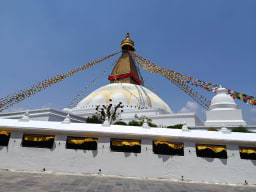
Best places to see: Kathmandu Durbar Square, Swayambhunath (the "Monkey Temple," worth the climb for the hilltop views over the city), Boudhanath one of the largest stupas in the world and a genuinely moving place to sit for twenty minutes and watch pilgrims circle it Pashupatinath, and Thamel for gear shopping and evening food.
How long should you stay? Two to three days covers the highlights without rushing. If Bhaktapur and Patan's Durbar Squares are on your list too (and they should be), add a half-day for each they're close enough for easy day trips.
2. Pokhara — Best for Mountains, Lakes and Relaxation
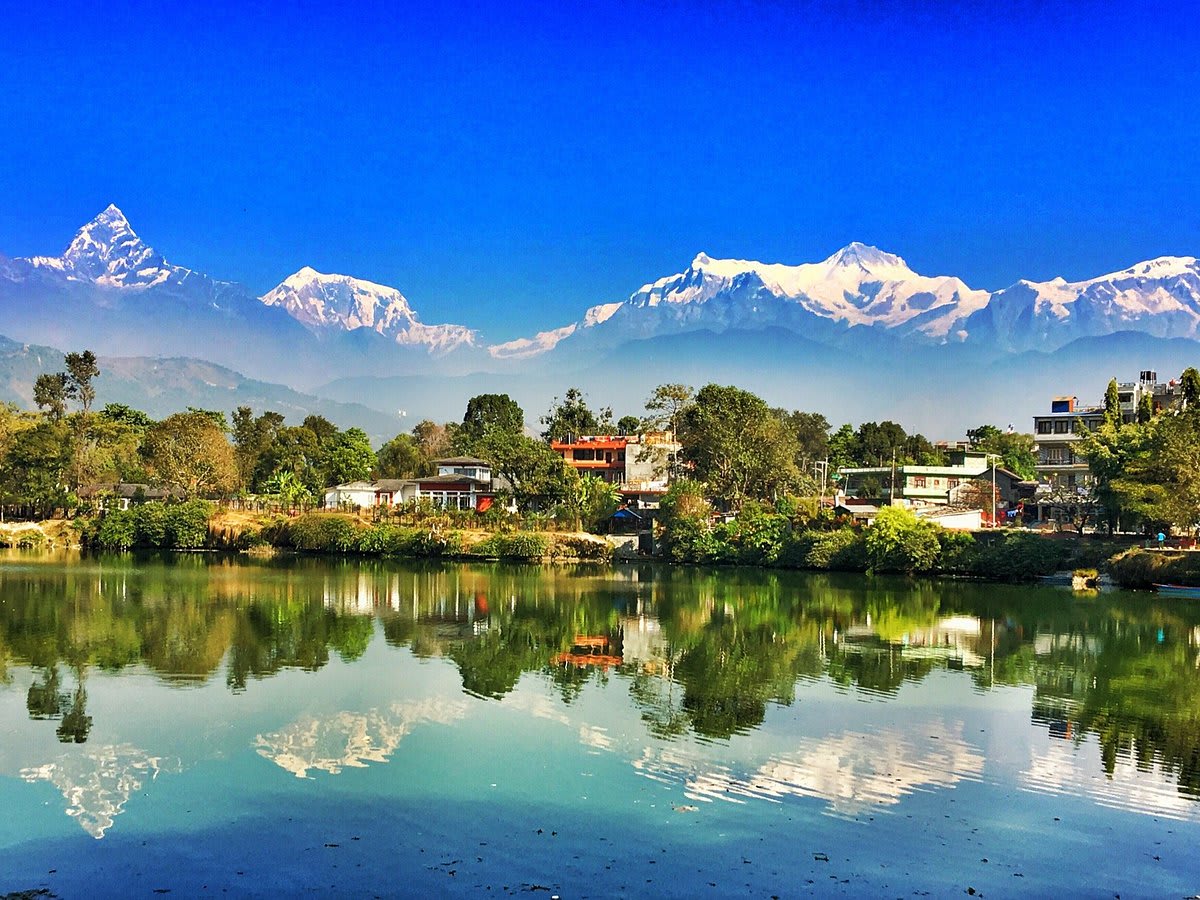
If Kathmandu is Nepal's brain, Pokhara is its exhale. It's the country's adventure capital and also its most relaxed city a strange but very workable combination. Set on Phewa Lake with the Annapurna range rising directly behind it, Pokhara is where most Annapurna treks begin and end, which means it's built around travelers passing through good food, easy logistics, no shortage of things to do.
Top things to do: watch sunrise over the Annapurnas from Sarangkot, walk up to the World Peace Pagoda, boat across Phewa Lake, explore Gupteshwor Cave and the thundering Davis Falls next to it, and if you're up for it go paragliding. Tandem flights off Sarangkot with Phewa Lake and the Himalayas as your backdrop are, without exaggeration, one of the best-value adventure experiences in Asia.
Why it earns a spot on every itinerary: it's the rare destination that works whether you're gearing up for a two-week trek or just want three days of good food and lake views before flying home.
 Where in Nepal Are the Best Places to Visit?
3. Everest Region — Best for Himalayan Adventure
This is the one people picture when they hear "Nepal," and for good reason. Sagarmatha National Park is home to Sherpa villages, high-altitude monasteries, and obviously the highest mountain on Earth.
Why visit: Namche Bazaar alone is worth the trek a Sherpa trading town built into a natural amphitheater of hillside, buzzing with bakeries, gear shops and the best acclimatization stop in the Himalayas. Tengboche Monastery, with Everest and Ama Dablam framing the courtyard, is one of those places photos genuinely don't do justice.
Popular experiences: the classic Everest Base Camp Trek, shorter Everest View treks for those tight on time, and helicopter tours for travelers who want the views without the altitude commitment.
Time and altitude: most EBC itineraries run 12–16 days including acclimatization, and altitude sickness is a real consideration above 3,500m build in rest days rather than rushing the schedule.

4. Annapurna Region — Best for Trekking and Mountain Villages
Where Everest is dramatic and singular, Annapurna is varied this is the region for travelers who want mountain scenery and cultural texture along the way, not just switchbacks and glaciers.
Why visit: the diversity is the draw. You'll pass through subtropical villages, rhododendron forests, and high alpine terrain, often all in the same trek, with Annapurna and Machhapuchhre (the "Fishtail") providing a constant backdrop.
Popular treks: the Annapurna Base Camp Trek (roughly 7–12 days depending on route), the longer Annapurna Circuit, the family-friendly Ghorepani Poon Hill Trek a shorter option with one of the best sunrise viewpoints in Nepal and the increasingly popular Mardi Himal Trek for something less crowded.

5. Chitwan — Best for Wildlife and Jungle Safaris
Nepal isn't only mountains Chitwan is the reminder. This UNESCO-listed national park in the Terai lowlands is subtropical jungle and grassland, home to one-horned rhinos and elusive Bengal tigers, and it's an easy, worthwhile add-on to any mountain-focused itinerary.
Things to do: jeep safaris (rhino sightings are common; tiger sightings are rare but not unheard of), a quieter canoe ride along the river, guided jungle walks, birdwatching, and evenings with the local Tharu community, including their well-known stick dance performances.
How many days do you need? Two to three days is enough for a proper safari experience, including at least one early-morning and one late-afternoon outing, when wildlife activity peaks.
 Where in Nepal Are the Best Places to Visit?
6. Lumbini — Best for Spiritual and Cultural Travel
Lumbini is the birthplace of Gautama Buddha and one of Buddhism's most significant pilgrimage sites a genuinely different kind of Nepal experience from the mountains and jungle.
Why it's important: the Maya Devi Temple marks the exact birthplace site, and the surrounding Sacred Garden is ringed by monasteries built by Buddhist communities from over two dozen countries, each in their own national architectural style. It's an unusual, meditative place to slow down for a day.
7. Mustang — Best for Unique Landscapes and Tibetan Culture
Mustang looks like nowhere else in Nepal a high-altitude desert of red-and-ochre cliffs, wind-carved canyons, and centuries-old cave dwellings, more Tibetan Plateau than Himalayan foothill.
Why visit: the landscape alone is worth it, but the Tibetan-influenced culture ancient monasteries, walled villages, the restricted "forbidden kingdom" of Upper Mustang adds real depth.
Lower Mustang vs. Upper Mustang
Lower Mustang | Upper Mustang | |
|---|---|---|
Access | No special permit needed | Restricted-area permit required |
Typical trip length | 3–5 days | 10–17 days |
Character | Accessible, still dramatic scenery | Remote, culturally intact, higher cost |

8. Bandipur — Best for a Peaceful Heritage Getaway
Bandipur rarely makes the "essential Nepal" lists, which is exactly its appeal. This hilltop Newari town between Kathmandu and Pokhara has been preserved almost by accident bypassed by the highway decades ago, it kept its car-free cobbled streets and traditional architecture while the rest of the valley modernized around it.
Why it's worth the detour: traditional Newari buildings, sweeping Himalayan views without a trek required, short hikes to nearby caves and viewpoints, and genuinely good local food. It's an easy, worthwhile stop if you're driving between Kathmandu and Pokhara anyway no reason to fly past it.
9. Janakpur — Best for Hindu Culture and Pilgrimage
Janakpur, in Nepal's southern Terai, is the heart of Mithila culture and a major Hindu pilgrimage destination, centered on the Janaki Temple.
Why visit: the temple's distinctive Mughal-influenced architecture, the vibrant Mithila folk art painted across the city's walls, and the religious significance tied to the Ramayana this is Nepal's Hindu heritage in its most visible, lived-in form, distinct from the Buddhist and Newari heritage of the hills.
10. Ilam — Best for Tea Gardens and Green Hills
Ilam, in Nepal's far east, is tea country rolling green hillsides that could pass for parts of Darjeeling, which isn't a coincidence given the shared growing region.
What makes it special: working tea plantations you can walk through, a noticeably slower pace of life, and some of the best sunrise and sunset viewpoints in the country, minus the crowds you'd find at Sarangkot or Poon Hill. It's a strong choice for travelers who've done the "highlights" of Nepal before and want something quieter on a return trip.
11. Rara Lake — Best for Remote Natural Beauty
Rara is Nepal's largest lake, tucked into the far northwest — a region most travelers never make it to, simply because it takes real effort to reach.
Why visit: the payoff is a still, deep-blue alpine lake ringed by pine forest inside Rara National Park, with a level of quiet that's genuinely hard to find anywhere else in Nepal's trekking circuit. This is the pick for travelers who've already done Everest or Annapurna and want somewhere that feels undiscovered.
12. Bardiya — Best for an Off-the-Beaten-Path Safari
Bardiya National Park, also in the Terai but far less visited than Chitwan, offers a wilder, less-touristed safari experience.
Bardiya vs. Chitwan: Chitwan is more developed, easier to reach, and better suited to travelers with limited time. Bardiya takes longer to get to but rewards you with lower visitor numbers, a stronger chance of tiger tracking (though never guaranteed), and a genuine sense of wilderness. If you've already done a safari elsewhere and want something less packaged, Bardiya is the better pick.
Which Place in Nepal Is Best for You?
If you've read this far and still aren't sure where to start, use this as a shortcut:
If You Want... | Best Place |
|---|---|
Mountains | Everest Region or Annapurna Region |
Culture | Kathmandu Valley |
Lakes | Pokhara |
Wildlife | Chitwan or Bardiya |
Spirituality | Lumbini |
High-altitude adventure | Everest Region or Annapurna Region |
Peace and remote nature | Rara Lake |
Unique landscapes | Mustang |
Tea gardens | Ilam |
Hindu pilgrimage | Janakpur |
Heritage, low-key | Bandipur |
Best Places to Visit in Nepal Based on Trip Length
Nepal in 3 Days
Kathmandu Valley, with a day trip to Bandipur or Nagarkot if you want mountain views without a trek.
Nepal in 5 Days
Kathmandu + Pokhara enough time to see the valley's heritage sites and still get a couple of relaxed days on Phewa Lake, maybe with a paragliding flight thrown in.
Nepal in 7 Days
Kathmandu + Pokhara + Chitwan this is the classic first-timer combination: culture, mountains, and wildlife in one trip, with realistic travel time between each.
Nepal in 10 Days
Kathmandu + Pokhara + Chitwan + a short trek the Ghorepani Poon Hill Trek fits well here, giving you real Himalayan trekking without needing two weeks.
Nepal in 14 Days
Kathmandu + Pokhara + a full trekking region (Annapurna Base Camp or Everest Base Camp) + Chitwan — the version of Nepal most people picture when they imagine "doing it properly."
Best Time to Visit These Places in Nepal
Spring — March to May
Prime trekking season across the Everest and Annapurna regions, with rhododendron forests in bloom and generally clear mountain views.
Summer/Monsoon — June to August
Rain affects most of the country, but rain-shadow areas like Upper Mustang stay dry and are actually a smart choice for this window.
Autumn — September to November
The most popular season for a reason the clearest mountain views of the year and reliable trekking conditions across nearly every region.
Winter — December to February
Lower-altitude destinations shine here — Kathmandu, Pokhara, Chitwan and Lumbini are all pleasant, while high-altitude trekking becomes more demanding due to cold and potential snow.
 Where in Nepal Are the Best Places to Visit?
How to Choose the Best Place to Visit in Nepal
A few practical questions to run through before you book anything:
- How many days do you actually have? Be honest about travel days eating into your total.
- What's your budget? Trekking regions and remote destinations like Rara or Upper Mustang cost more per day than Kathmandu or Pokhara.
- Do you want to trek, or just see mountains? Both are valid — a helicopter tour or a Poon Hill sunrise gets you views without a multi-day commitment.
- How well do you handle altitude? Above 3,500m, pace matters more than fitness.
- Culture, wildlife, or both? Decide whether you're building a trip around one theme or mixing several.
- How remote do you want to go? Rara and Upper Mustang reward effort; Kathmandu and Pokhara reward efficiency.
Conclusion
There's no single correct answer to where in Nepal you should go that's really the point of this guide. Kathmandu gives you culture, Pokhara gives you mountains and relaxation, Everest and Annapurna give you high-altitude adventure, Chitwan and Bardiya give you wildlife, Lumbini gives you spirituality, and Mustang or Rara give you landscapes and remoteness most travelers never see. The right trip is whichever combination matches your time, your interests, and your appetite for altitude.
Not sure yet which region fits your trip? Nature Heaven Treks builds private, fully customized itineraries around exactly what you want to see — talk to a local Sherpa-run team who can match your dates, fitness level and interests to the right route across Nepal's Everest, Annapurna, Manaslu and Mustang regions.
Frequently Asked Questions
What is the number one tourist place in Nepal?
Kathmandu Valley, simply because nearly every trip passes through it and it holds the highest concentration of UNESCO World Heritage Sites in the country.
Which place is most beautiful in Nepal?
It depends what "beautiful" means to you Pokhara for lake-and-mountain scenery, Mustang for dramatic desert landscapes, or Rara for untouched alpine wilderness are all strong, very different answers.
Where should I go in Nepal for the first time?
Kathmandu, Pokhara and Chitwan cover culture, mountains and wildlife in a manageable first trip, typically 7–10 days.
Is Kathmandu or Pokhara better for tourists?
They're not really competing Kathmandu is for heritage and history, Pokhara is for relaxation and adventure sports. Most itineraries include both.
What are the best places to visit in Nepal in 7 days?
Kathmandu, Pokhara and Chitwan, as outlined in the trip-length section above.
Which part of Nepal is best for nature?
Chitwan and Bardiya for wildlife, Rara Lake and Ilam for scenery and quiet.
What is Nepal most famous for?
Mount Everest and the Himalayas, though the country's Buddhist and Hindu heritage sites are just as significant.
Which place in Nepal is best for couples?
Pokhara, for the combination of scenery, relaxed pace and activities like paragliding and lakeside dinners.
Which places in Nepal are best for adventure?
The Everest and Annapurna regions for trekking, plus Pokhara for paragliding and other adventure sports.