

Best treks in Nepal to avoid crowds aren't a secret they're just the routes most people skip because they've only ever heard of Everest Base Camp and Annapurna. Both are famous for good reason, but Nepal has a dozen other trails that deliver the same jaw-dropping mountains, the same warm village welcomes, the same monasteries and pine forests minus the queue at the suspension bridge.
In this guide, we compare the ten best quieter alternatives on the things that actually matter when you're choosing a trek: how crowded it really is, difficulty, duration, maximum altitude, best season, scenery, cultural depth, permit requirements, and who it's genuinely best suited for. No trek here is "crowd-free" that's not a real thing in Nepal anymore but every one of them sees a fraction of the foot traffic of the classic routes.

Why Choose a Less Crowded Trek in Nepal?
A More Peaceful Himalayan Experience
On Everest Base Camp in peak season, you can spend more time waiting for the trail to clear at pinch points than actually looking at the view. On the less crowded treks in Nepal, you get long stretches where it's just you, your guide, and a yak train. Teahouses aren't fully booked out from October 1st, and you can actually get the room with the window.
Better Cultural Experiences
Fewer trekkers means village life hasn't been rebuilt entirely around tourism. In places like Tsum Valley or Ruby Valley, you're more likely to be invited in for tea because you're a novelty, not customer #40 that week. Conversations with lodge owners run longer. Kids aren't selling postcards; they're just curious who you are.
More Time to Enjoy the Scenery
Less congestion means you can actually stop. Photograph the ridge line without twenty other people in the frame. Sit at a viewpoint for twenty minutes instead of getting shuffled along by the next group behind you. On peaceful treks in Nepal, the pace becomes yours to set.
A More Authentic Trekking Experience
Heavily commercialized routes now have bakeries, WiFi cafes, and menus in six languages at nearly every stop. That's not a bad thing, but it's a different experience from a trail where the teahouse is still someone's actual home and dinner is whatever the family is already cooking. Offbeat treks in Nepal tend to feel less like a tourist circuit and more like passing through.
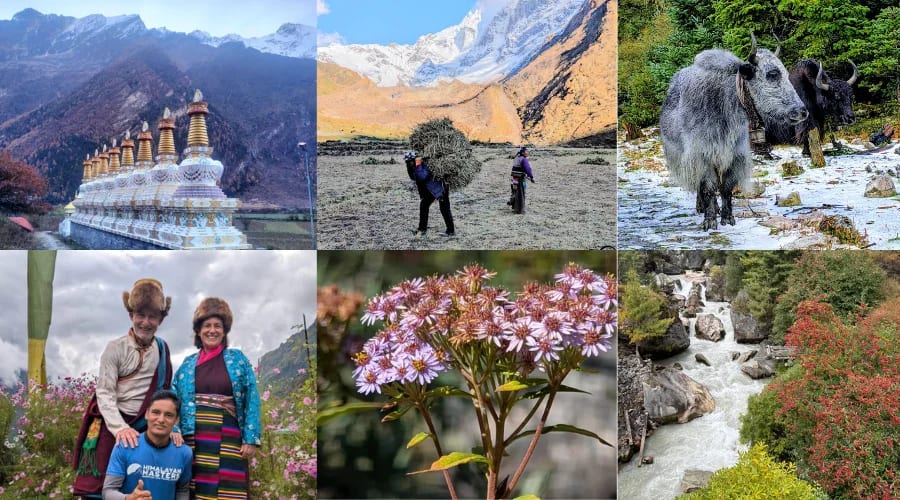 10 best treks in Nepal to avoid crowds
10 Best Treks in Nepal to Avoid Crowds
1. Tsum Valley Trek
Tsum Valley sits in a restricted side valley off the Manaslu Circuit, and because it requires a special permit and a few extra days, most trekkers skip it entirely which is exactly why it stays quiet. Expect 14–18 days, moderate-to-hard difficulty, and a max altitude around 3,700m. This is a deeply Buddhist valley: monasteries, mani walls, and villages that have kept their own dialect and customs largely intact. Best months are March–May and September–November. Choose this one if you want culture and solitude in equal measure, more than a race to a high pass.
2. Nar Phu Valley Trek
Tucked behind the Annapurna range, Nar Phu feels closer to Tibet than to the Annapurna Circuit it branches off from. You'll cross Kang La Pass, pass through two of the most isolated permanent villages in Nepal, and see landscapes that shift from pine forest to high desert in a single day. It runs 10–14 days, moderate-to-hard, topping out near 5,100m at the pass. It requires a restricted-area permit and a minimum group size, same as Tsum. If you love the idea of the Annapurna region but want to skip its busiest teahouse stretch, Nar Phu is the answer.
3. Kanchenjunga Base Camp Trek
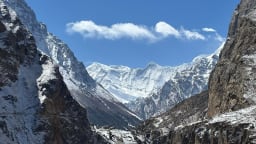
Kanchenjunga is the world's third-highest mountain, tucked in Nepal's far east, and it draws a fraction of the visitors that Everest does. You can trek to the North Base Camp, the South Base Camp, or both on a longer loop, moving through remote villages and rhododendron forests with almost no other trekking groups on the trail. This is a serious undertaking — 18–25 days, hard difficulty, altitudes above 5,400m at the base camps and it's best suited to experienced trekkers comfortable with camping-style logistics in the more remote sections. The Nepal Tourism Board lists Kanchenjunga among the regions requiring specific guide and permit arrangements, so this isn't a trek to plan last-minute.
4. Makalu Base Camp Trek
Makalu Base Camp is about as wild as trekking in Nepal gets on a named route. There's a real sense that you're one of very few people to pass through that season most days you'll see herders with yaks before you see another trekker. It's 18–22 days, hard, reaching around 5,000m, with rough trail conditions and limited teahouse infrastructure (be ready for some camping). It's far less commercialized than Everest and genuinely demanding a trek for people who've done at least one serious high-altitude route already.
5. Pikey Peak Trek
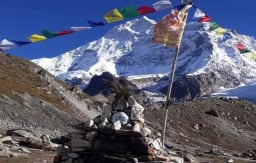
If you want Everest views without the Everest crowds, Pikey Peak might be the single best alternative on this list. It's a much shorter commitment 6–10 days moderate difficulty, topping out around 4,065m, and it moves through genuine Sherpa villages rather than the increasingly commercial Khumbu corridor. The sunrise from Pikey Peak takes in Everest, Makalu, and a long stretch of the eastern Himalaya in one sweep. The Nepal Tourism Board describes the route as passing through Sherpa communities with panoramic views that include Everest which is a big part of why it's becoming the go-to short, quieter alternative for people short on time.
6. Khopra Danda Trek
Khopra Danda is the Annapurna region's quiet card. While everyone else funnels through Poon Hill and up to Annapurna Base Camp, Khopra branches off toward its own ridge, with wide-open views of Annapurna South and Dhaulagiri and the option to extend to the turquoise Khayer Lake. It's 7–11 days, moderate, around 3,660m at its highest point, with teahouse accommodation the whole way. This is a strong pick if you want Annapurna's scenery without following the busiest section of trail.
7. Mardi Himal Trek
Mardi Himal deserves an honest caveat: it's not obscure anymore, and depending on the season, you'll share the trail with a fair number of other trekkers, especially at High Camp. But it's still noticeably quieter than Annapurna Base Camp, and it's short enough — 5–8 days, moderate difficulty, around 4,500m to fit into a tighter schedule. Ridge walking through rhododendron forest with Machhapuchhre looming close makes it one of the most scenic short treks near Pokhara. Think of it as "quieter than the classics," not "empty."

8. Lower Dolpo Trek
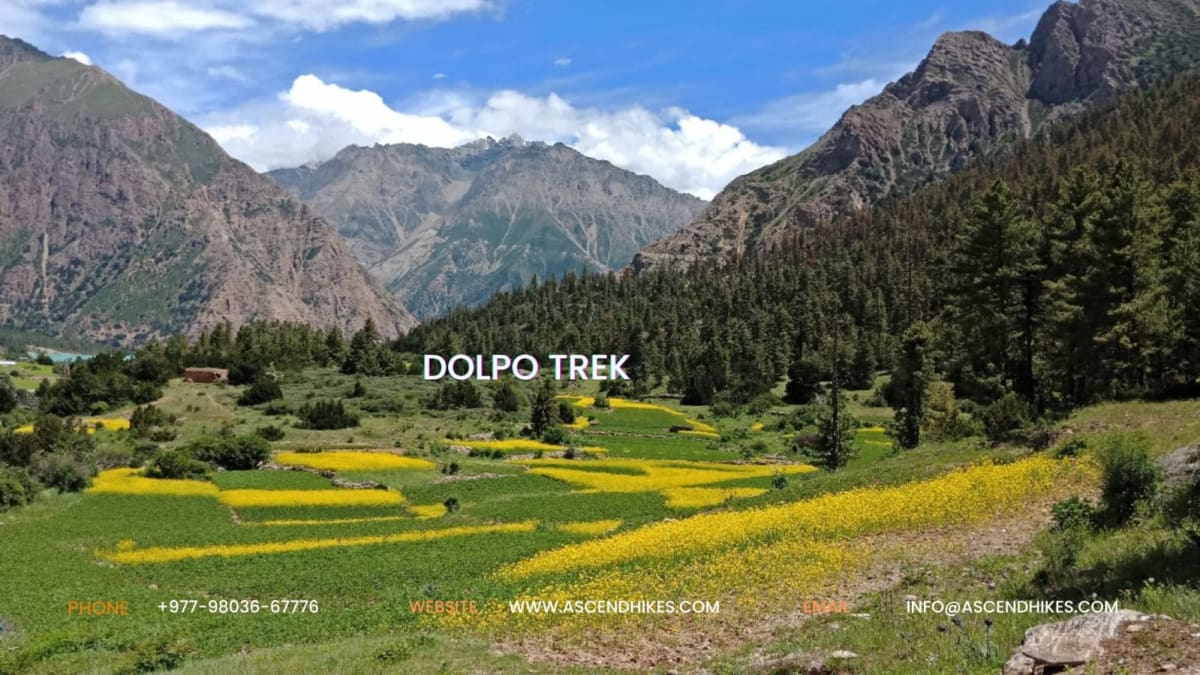
Lower Dolpo is western Nepal's answer to anyone chasing genuine remoteness. It's the setting for Phoksundo Lake one of the most striking bodies of water in the Himalaya and moves through Tibetan Buddhist communities that see very few foreign visitors in a given year. Expect 18–25+ days, hard difficulty, high passes over 5,000m, and limited infrastructure that means some restricted-area planning ahead of time. This is the trek for people who want to say they went somewhere genuinely far from everything.
 10 best treks in Nepal to avoid crowds
9. Upper Mustang Trek
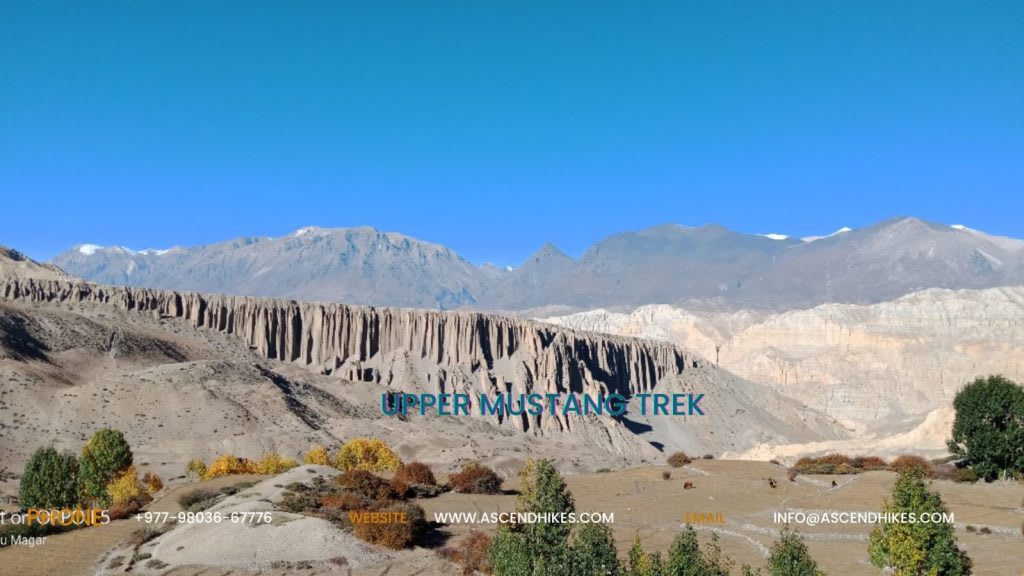
Upper Mustang looks nothing like the green valleys most people picture when they think "Nepal trek." It's a high-altitude desert landscape of eroded cliffs, ancient caves, and the walled city of Lo Manthang, with a culture that's stayed closely tied to Tibet. It's 12–18 days, moderate difficulty (the altitude gain is gradual), maxing around 3,840m, but it does require a restricted-area permit that costs more than most others on this list. If you want something visually and culturally different from every other entry here, this is it.
 10 best treks in Nepal to avoid crowds
10. Ruby Valley / Ganesh Himal Trek
Ruby Valley is the trek most people haven't heard of, and that's the whole appeal. It runs through traditional villages between the Langtang and Manaslu regions, with views of the Ganesh Himal range and genuinely low visitor numbers partly because it's newer to the trekking map and lacks the marketing budget of the bigger names. It's flexible: 7–12 days, moderate, around 4,000m, with shorter itinerary options available. Good pick if you want an authentic-village experience without committing to three weeks.
Quick Comparison of the Best Uncrowded Treks in Nepal
Trek | Duration | Difficulty | Max Altitude | Best For |
|---|---|---|---|---|
14–18 days | Moderate–Hard | ~3,700m | Culture & solitude | |
10–14 days | Moderate–Hard | ~5,100m | Remote villages | |
Kanchenjunga | 18–25 days | Hard | ~5,400m+ | Experienced trekkers |
18–22 days | Hard | ~5,000m | Adventure | |
Pikey Peak | 6–10 days | Moderate | ~4,065m | Short trek |
Khopra Danda | 7–11 days | Moderate | ~3,660m | Mountain views |
5–8 days | Moderate | ~4,500m | Short trek | |
Lower Dolpo | 18–25+ days | Hard | ~5,000m+ | Remote wilderness |
Upper Mustang | 12–18 days | Moderate | ~3,840m | Culture & landscape |
Ruby Valley | 7–12 days | Moderate | ~4,000m | Authentic villages |
Which Trek in Nepal Is the Least Crowded?
There's no single answer it depends what you're weighing "crowded" against.
- Most remote overall: Lower Dolpo or Upper Mustang's furthest stretches
- Best for experienced trekkers wanting solitude at altitude: Kanchenjunga or Makalu Base Camp
- Best short, quiet option: Pikey Peak
- Best cultural immersion: Tsum Valley
- Best Annapurna-region alternative: Nar Phu Valley or Khopra Danda
- Best for beginners who still want fewer crowds: Ruby Valley, or a shorter Pikey Peak itinerary
Best Time to Trek Nepal Without Crowds
Spring: March to May
Clear mornings, rhododendrons in bloom, generally stable weather though afternoon haze can roll in on lower routes. A strong window for Tsum Valley, Nar Phu, and Khopra Danda.
Autumn: September to November
This is Nepal's most reliable trekking season the Nepal Tourism Board specifically flags September–November (alongside February–May) as favorable trekking periods, thanks to clear skies and stable trail conditions. It's also, unfortunately, when the classic routes are busiest, so pairing autumn with one of the quieter treks above is the sweet spot.
Winter: December to February
Cold, and high passes can close with snow, but foot traffic drops sharply. Lower-altitude options like Khopra Danda or Ruby Valley remain viable and noticeably emptier.
Monsoon: June to August
Rain, cloud cover, and landslide risk make most central and eastern routes a tough sell. The exception is the rain-shadow region Upper Mustang and Dolpo sit behind the Himalayan range and stay comparatively dry, making them one of the few good monsoon-season options.
How to Avoid Crowds While Trekking in Nepal
Travel Outside Peak Dates
Shifting your trip even two weeks before or after the October/November or April/May peaks noticeably thins the trail.
Choose Alternative Trails
Every trek on this list is a deliberate substitute for a busier classic — use the comparison table above to swap one in.
Start Your Trek Early Each Morning
Leaving before the main wave of trekkers means quieter trails, better light for photos, and first pick of teahouse rooms at the next stop.
Choose Less Popular Villages for Overnight Stops
On multi-route trails, ask your guide which stop is one village off the main cluster — often just as scenic, with half the guests.
Consider Remote Regions
Far western and eastern Nepal (Dolpo, Kanchenjunga) see a fraction of central Nepal's trekker numbers.
Trek With a Flexible Itinerary
A rigid day-by-day plan forces you into the same teahouses as every other group on the same schedule. Building in slack lets you adjust.
Avoid Joining Large Trekking Groups
Smaller groups (or solo-with-guide) move faster through pinch points and don't overwhelm smaller teahouses.
Are Less Crowded Treks in Nepal Safe?
Yes, with the right preparation arguably more preparation than the classic routes, precisely because there's less infrastructure to fall back on if something goes wrong. Non-negotiables:
- A licensed, experienced trekking guide essential once you're off the main circuits
- Real acclimatization days built into the itinerary, not skipped to save time
- A way to communicate in an emergency (satellite device on the more remote routes)
- A clear rescue and evacuation plan agreed with your operator before you leave
- Comprehensive travel insurance that explicitly covers high-altitude trekking and evacuation
- Proper cold-weather and altitude gear
- All required local permits sorted in advance, not at the trailhead
Permits and Guide Requirements for Less Crowded Treks
Less crowded doesn't mean permit-free often the opposite. Depending on the route, you'll need some combination of:
- A TIMS card
- National park or conservation area entry permits
- A restricted-area permit (required for Tsum Valley, Nar Phu, Upper Mustang, Kanchenjunga, and Dolpo)
- A licensed guide, which is mandatory on restricted routes and increasingly expected elsewhere
- Booking through a registered trekking agency
The Nepal Tourism Board currently lists Kanchenjunga, Makalu, Manaslu/Tsum, Nar Phu, Upper Mustang, and Dolpo among the routes with specific guide or TIMS requirements. Rules on these routes do get updated, so always confirm current requirements with your operator before you book flights. See our full Nepal Trekking Permits guide for the current breakdown by region.

How Much Does an Uncrowded Trek in Nepal Cost?
Costs vary a lot by trek, but three rough tiers apply across the board:
Budget Trek
Basic teahouse lodging, shared guide/group setup, minimal extras the most affordable way to do any of these routes, though restricted-area treks (Mustang, Dolpo, Tsum, Nar Phu, Kanchenjunga) have a permit-cost floor that budget trips can't get under.
Mid-Range Trek
A private or small-group guide and porter, better teahouses where available, and a more comfortable pace the most common choice for the treks on this list.
Luxury / Private Trek
Fully private guide and porter team, upgraded lodges or camping setups on the more remote routes, and a fully custom itinerary.
What actually moves the price: trek duration, guide and porter costs, permit fees (restricted-area permits add up fast), accommodation style, transport to and from the trailhead, meals, and group size. For a full breakdown by route, see our Nepal Trekking Cost guide.
Best Uncrowded Trek in Nepal Based on Your Travel Style
If You Want... | Choose... |
|---|---|
Short trek | Pikey Peak |
Remote wilderness | Lower Dolpo |
Cultural experience | Tsum Valley |
High-altitude adventure | Makalu Base Camp |
Epic mountain views | Kanchenjunga |
Annapurna alternative | Nar Phu Valley |
Short Annapurna alternative | Khopra Danda |
Tibetan culture | Upper Mustang |
Authentic villages | Ruby Valley |
Best Alternative to Everest Base Camp Trek
If Everest Base Camp is the trek you originally wanted but the crowds are putting you off, here's how the closest alternatives stack up:
- Pikey Peak — same Everest views, a third of the time, a fraction of the crowd. Best if you want the payoff without the three-week commitment.
- Makalu Base Camp — for trekkers who want the same high-altitude, big-mountain intensity as EBC but in genuinely wild terrain.
- Tsum Valley — for those who realize what they actually wanted from EBC was the culture and the mountains, not the specific summit photo.
There's no wrong choice here it comes down to how much time you have and whether you're chasing views, culture, or altitude.
Conclusion
If you want a short, relatively accessible offbeat experience, go with Pikey Peak. If you're after culture and solitude in equal measure, Tsum Valley is hard to beat. If you're an experienced trekker chasing genuine wilderness, Kanchenjunga, Makalu, or Dolpo will deliver it in full. And if the Annapurna region's scenery drew you in but its crowds put you off, Nar Phu or Khopra Danda give you that same landscape on a much quieter trail.
Whichever route fits, the planning permits, guides, acclimatization, logistics is where most trips actually succeed or fail. That's where working with an experienced local operator pays off: it turns "I found a quiet trek online" into an itinerary that actually gets you there safely. Browse our full range of Nepal Trekking Packages to start planning your route.
Plan your trek
Want to Plan Your Holiday in Nepal?
Tell us your dates and fitness level. A local expert replies within a day with a private itinerary and price.
Frequently Asked Questions
What is the least crowded trek in Nepal?
Lower Dolpo and the more remote stretches of Upper Mustang see the fewest trekkers of any named route in the country, largely due to limited infrastructure and restricted-area permit requirements.
Which trek in Nepal has the fewest tourists?
Kanchenjunga Base Camp and Makalu Base Camp both see very low numbers, mostly because of their remoteness and demanding difficulty level.
What are the best offbeat treks in Nepal?
Tsum Valley, Nar Phu Valley, Khopra Danda, and Ruby Valley are the standout offbeat options that don't require extreme experience or multi-week commitments.
What is the best alternative to Everest Base Camp?
Pikey Peak for similar Everest views in far less time; Makalu Base Camp for a comparable high-altitude challenge.
Which Nepal trek is best for solitude?
Tsum Valley and Lower Dolpo both offer strong solitude, with Tsum being the more accessible of the two.
What is the best time to avoid crowds in Nepal?
Shoulder-season windows in late spring or late autumn, or the winter months on lower-altitude routes.
Are remote treks in Nepal safe?
Yes, with a licensed guide, proper acclimatization, insurance, and permits arranged in advance — remoteness raises the stakes of poor planning, so preparation matters more, not less.
Do I need a guide for less crowded treks in Nepal?
Yes , a guide is mandatory on all restricted-area routes (Tsum, Nar Phu, Mustang, Dolpo, Kanchenjunga) and strongly recommended everywhere else.
Which uncrowded trek is best for beginners?
Ruby Valley or a shorter Pikey Peak itinerary both are moderate difficulty, shorter in duration, and don't require prior high-altitude experience.