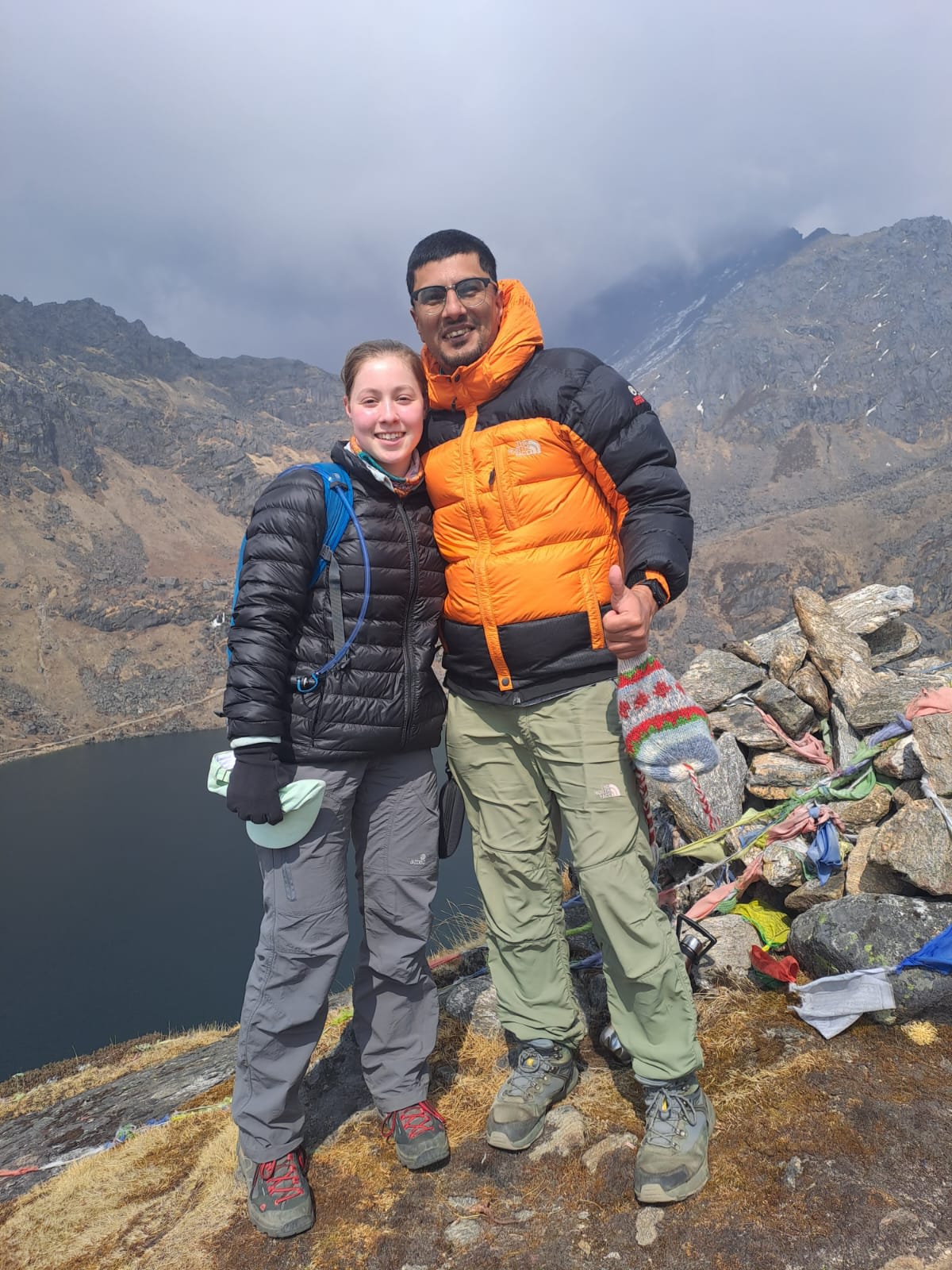


When is the best time for Gokyo Lakes Trek? Spring (March to May) and autumn (September to November) are generally the best seasons, offering clear mountain views, stable weather, and favorable trail conditions in Nepal's Everest region. The Gokyo Lakes lie at high altitude, with the main Gokyo area around 4,700 to 4,800 meters, so the season you choose can significantly affect your experience. Mountain visibility, temperature, trail conditions, crowds, and teahouse availability all change throughout the year. Winter and monsoon treks are possible, but they come with additional challenges. This guide explains what to expect throughout the year so you can choose the best time for your Gokyo Lakes Trek.
What Is the Best Time for Gokyo Lakes Trek?
Best Seasons:
- Spring: March to May
- Autumn: September to November
Best Months:
- April
- October
- November
These months are popular because weather conditions in the Everest region are generally more predictable. Skies are often clearer, daytime temperatures are comfortable for trekking, and trails are less affected by heavy monsoon rain or winter snow. Mountain visibility is also better, which is particularly important when visiting viewpoints such as Gokyo Ri
Gokyo Lakes Trek in Spring
Spring is one of the best seasons for the Gokyo Lakes Trek. The weather becomes warmer after winter, mountain views are generally good, and rhododendron forests along the lower sections of the trail begin to bloom.
Gokyo Lakes Trek in March
March marks the transition from winter to spring. Mornings and nights remain cold, particularly at higher elevations, and some trails may still have snow or ice. However, March is quieter than April and May, so trekkers can enjoy a more peaceful experience and may find teahouse accommodation easier to arrange.
Gokyo Lakes Trek in April
April is often considered one of the best months for the Gokyo Lakes Trek. Weather is generally stable, skies are frequently clear, and mountain visibility is excellent. Rhododendrons are also usually in bloom along lower sections of the route, adding color to the landscape. Daylight hours are longer, giving trekkers more time on the trail. The main disadvantage is that April is a busy trekking month, so flights and teahouses should be booked in advance.
Gokyo Lakes Trek in May
Early May generally offers good trekking conditions, with warmer days and mostly clear trails. As the month progresses, pre-monsoon clouds become more common, particularly in the afternoons, and occasional rain may occur toward late May. Starting walks early in the morning is often a good way to maximize mountain visibility.
Gokyo Lakes Trek in Autumn
Autumn is another excellent season for the Gokyo Lakes Trek. After the monsoon, the atmosphere is generally clearer, and the surrounding Himalayan peaks can appear exceptionally sharp.
Gokyo Lakes Trek in September
September is a transition month from monsoon to autumn. Early September can still experience rain and cloud, but conditions usually improve as the month progresses. The landscape remains green after the monsoon, creating beautiful scenery along the lower sections of the trek.
Gokyo Lakes Trek in October
October is widely regarded as one of the best months for the Gokyo Lakes Trek. Weather is generally stable, skies are clearer, and Himalayan views are excellent. Everest, Cho Oyu, and other surrounding peaks can often be seen clearly. October is also one of the busiest months, so trekkers should expect more people on the trail and higher demand for teahouses and flights to Lukla.
Gokyo Lakes Trek in November
November continues to offer excellent visibility, although temperatures become colder, particularly at night. The number of trekkers gradually decreases as the month progresses. Late November can therefore be a good option for those who want clear autumn views with somewhat fewer crowds.
Gokyo Lakes Trek in Winter
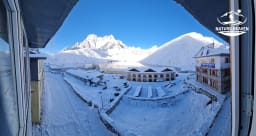
Winter trekking to Gokyo Lakes is possible, but it requires better preparation and is more suitable for experienced trekkers. Snow, freezing temperatures, and shorter daylight hours can make the journey more demanding.
Gokyo Lakes Trek in December, January, and February
During winter, temperatures can fall below freezing at night, especially at higher elevations. Snow may cover sections of the trail, and icy conditions can make walking slower and more difficult. Extra equipment such as microspikes may be useful depending on current conditions.
The advantage is solitude. Winter has far fewer trekkers than the peak seasons, and clear days can provide spectacular views of the snow-covered Himalayas. Because winter weather can change quickly, checking current conditions before departure and keeping some flexibility in your itinerary is important.
Gokyo Lakes Trek During Monsoon
Gokyo Lakes Trek in June, July, and August
Monsoon is generally the least recommended season for the Gokyo Lakes Trek. Frequent rain can make lower trails muddy and slippery, while clouds often obscure the Himalayan views. Flights to Lukla can also face delays or cancellations because of poor visibility.
The lower forest sections may also have leeches during wet periods. On the positive side, there are far fewer trekkers during monsoon, making the route much quieter. The trek is technically possible, but the combination of rain, limited visibility, and uncertain travel conditions makes it less suitable for first-time trekkers.
Gokyo Lakes Trek Weather and Temperature by Month
Month | Weather | Visibility | Crowd |
|---|---|---|---|
January | Very cold | Often clear | Low |
February | Cold | Improving | Low |
March | Cool | Good | Moderate |
April | Mild | Excellent | High |
May | Warmer | Good | High |
June | Wet | Variable | Low |
July | Rainy | Poor/variable | Low |
August | Wet | Variable | Low |
September | Improving | Good | Moderate |
October | Stable | Excellent | High |
November | Cool | Excellent | Moderate |
December | Very cold | Often clear | Low |
Weather and temperatures vary significantly with altitude and daily conditions, so trekkers should not rely on seasonal averages alone.
Best Time for Clear Mountain Views on the Gokyo Trek
Gokyo Ri is the trek's signature viewpoint, offering impressive views of Everest, Cho Oyu, Makalu, Cholatse, Taboche, and other Himalayan peaks. For this reason, mount everest visibility is an important factor when choosing your trekking season.
Autumn, especially October, generally provides some of the clearest and most consistent mountain views because the monsoon has cleared much of the dust and haze from the atmosphere. Spring also offers excellent visibility, particularly in April, although pre-monsoon clouds can become more common toward the end of May.
Best Time for Gokyo Lakes Photography
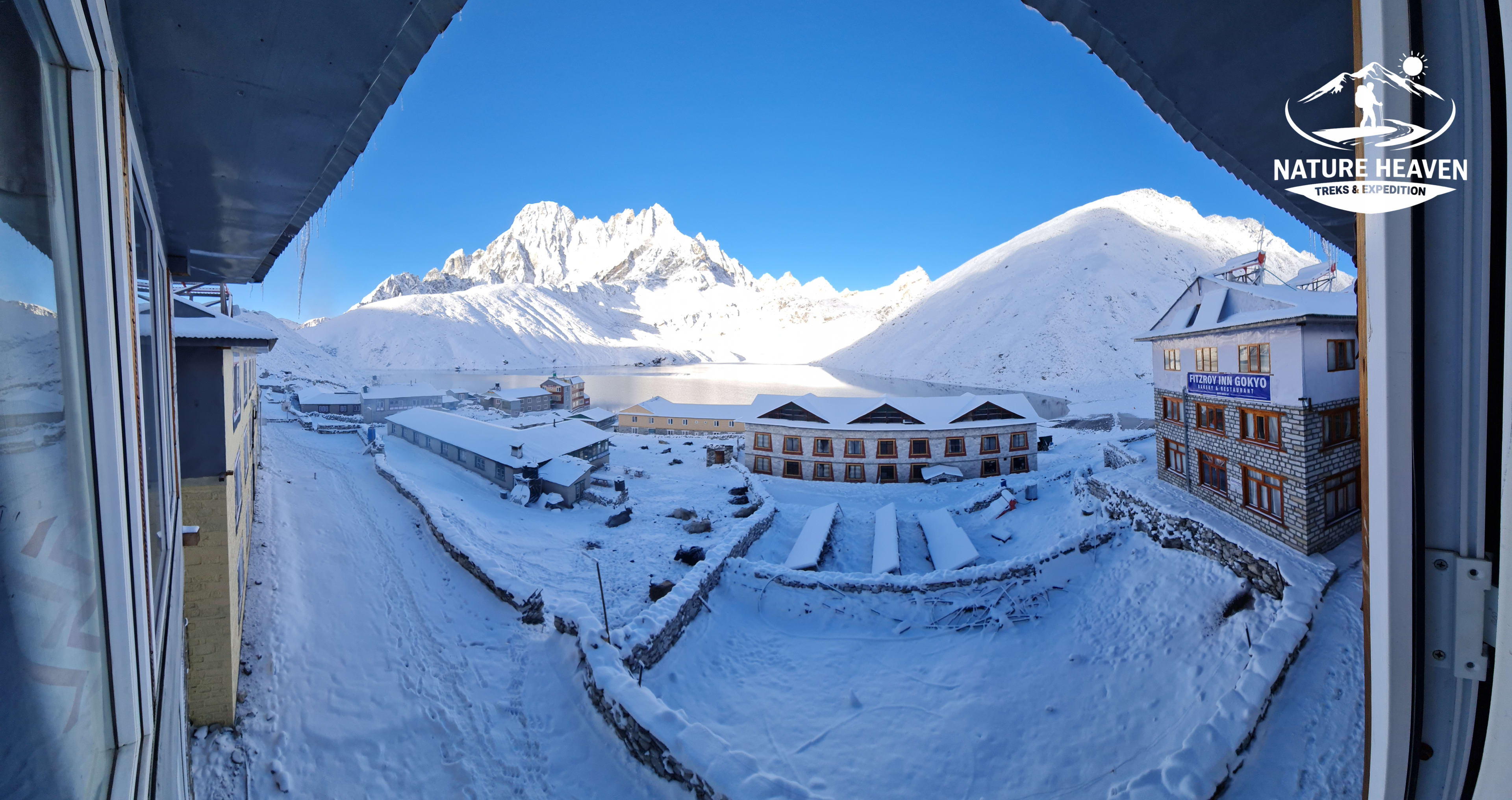
Photographers can enjoy excellent opportunities throughout the main trekking seasons. Early morning is usually the best time to photograph the lakes and surrounding mountains because winds are often calmer and the water can create beautiful reflections.
Sunrise from Gokyo Ri is particularly impressive, with the first light reaching the Himalayan peaks. Autumn offers crisp mountain views, while spring adds colorful rhododendron blooms to the lower sections of the trek. Winter can also produce dramatic snow-covered landscapes for photographers who are prepared for the cold.
Best Time for Gokyo Lakes Trek for Fewer Crowds
If avoiding crowds is your priority, consider the shoulder and off-seasons.
- March: Quieter than the peak spring months.
- Late May: Fewer trekkers, although pre-monsoon clouds become more common.
- September: Quieter than October, but early September can still be affected by monsoon.
- Late November: Good visibility with fewer trekkers than October.
- Winter: Very quiet, but much colder.
- Monsoon: The quietest period, but with the greatest weather and visibility challenges.
The ideal choice depends on whether you prefer solitude or more predictable weather.
Best Time for Beginners to Trek to Gokyo Lakes
Spring and autumn are generally the best choices for beginners because weather and trail conditions are more predictable. During these seasons, more trekkers are also on the route, which means teahouses, guides, porters, and other support services are more readily available.
Good visibility can also make the trek more enjoyable for first-time high-altitude trekkers. However, choosing the right season does not eliminate altitude risks. Gokyo Lakes and Gokyo Ri are located at high elevations, so proper acclimatization and a gradual itinerary are essential regardless of when you travel.
Is Gokyo Lakes Trek Possible in the Off-Season?
Can You Trek Gokyo Lakes in Winter?
Yes. Winter is a legitimate option for experienced and well-prepared trekkers who want quiet trails and snowy scenery. You should carry appropriate cold-weather equipment, allow flexibility for changing conditions, and consider traveling with an experienced guide.
Can You Trek Gokyo Lakes During Monsoon?
Yes, but monsoon is generally less favorable. Rain, cloud cover, slippery trails, and possible flight delays can affect the journey. If you choose this season, allow extra time in your itinerary and prepare properly for wet conditions.
What to Pack for Gokyo Lakes Trek Depending on the Season
Spring Packing
- Layered clothing
- Light or down jacket
- Waterproof shell
- Sun protection
Autumn Packing
- Warm layers
- Waterproof jacket
- Gloves
- Sun protection
Winter Packing
- Heavy down jacket
- Thermal base layers
- Warm gloves and hat
- Warm sleeping bag
Monsoon Packing
- Waterproof jacket
- Backpack rain cover
- Waterproof dry bags
- Quick-drying clothing
- Trekking poles
Why Weather Matters on the Gokyo Lakes Trek
Weather can affect almost every part of the Gokyo Lakes Trek. Flights to and from Lukla are particularly dependent on visibility and weather conditions, so delays can occur outside the main trekking seasons.
Rain can make lower trails muddy and slippery, while snow and ice at higher elevations can make the route more demanding. Weather also determines mountain visibility, which is one of the major reasons trekkers choose the Gokyo route.
During peak seasons, accommodation can also become busy because more trekkers are traveling at the same time. Building some flexibility into your itinerary is therefore useful, regardless of the season.
Gokyo Lakes Trek: Spring vs Autumn
Factor | Spring | Autumn |
Mountain views | Excellent | Excellent |
Weather | Generally stable | Generally stable |
Temperature | Mild to warm | Mild to cool |
Flowers | Excellent | Limited |
Crowds | Moderate to high | High |
Photography | Excellent | Excellent |
Overall | Excellent | Excellent |
Both seasons are excellent choices. Spring is ideal for trekkers who want rhododendron flowers and warmer conditions, while autumn is particularly attractive for those seeking clear Himalayan views and stable weather.
Which Month Should You Choose for Gokyo Lakes Trek?
- Choose April for spring scenery, rhododendron blooms, and comfortable trekking conditions.
- Choose October for excellent mountain visibility and generally stable weather.
- Choose November for clear views with somewhat fewer trekkers.
- Choose March for a quieter spring trekking experience.
- Choose winter if you want snow, solitude, and can handle very cold conditions.
- Choose monsoon only if you are prepared for rain, cloud, and possible travel disruptions.
Frequently Asked Questions
What is the best time for Gokyo Lakes Trek?
Spring, from March to May, and autumn, from September to November, are generally the best seasons. April and October are particularly popular because of their favorable weather and mountain visibility.
Is October the best month for Gokyo Lakes Trek?
October is widely considered one of the best months because the weather is generally stable and Himalayan views are excellent.
Is April good for Gokyo Lakes Trek?
Yes. April offers good visibility, comfortable trekking conditions, longer daylight, and beautiful rhododendron blooms along lower sections of the trail.
Can I trek to Gokyo Lakes in winter?
Yes, but winter requires suitable cold-weather equipment and careful planning because snow and freezing temperatures can make the trek more challenging.
Can I do the Gokyo Lakes Trek during monsoon?
It is possible, but rain, cloud cover, slippery trails, and flight disruptions make monsoon less favorable than spring or autumn.
Which month has the clearest views of Mount Everest?
October generally offers some of the clearest and most consistent views, although clear conditions can also occur in spring and late autumn.
What is the weather like at Gokyo Lakes?
Weather varies by season. Spring and autumn are generally more stable, monsoon is wetter and cloudier, while winter is very cold and may bring snow.
Is Gokyo Lakes Trek suitable for beginners?
Yes, particularly during spring and autumn, but beginners should take altitude seriously and follow a gradual acclimatization plan.
How cold is Gokyo Lakes in October?
October can have comfortable daytime trekking conditions, but nights at Gokyo's high elevation are cold, so warm layers and suitable sleeping equipment are essential.
What should I pack for the Gokyo Lakes Trek?
Your packing list should change with the season. Spring and autumn require layered clothing and warm protection, winter needs heavier insulation, and monsoon requires reliable waterproof gear.
Plan your trek
Want to Plan Your Holiday in Nepal?
Tell us your dates and fitness level. A local expert replies within a day with a private itinerary and price.
 Gokyo Ri Trek offers stunning Everest views, turquoise lakes, and peaceful trails. Explore Nepal's best high-altitude trekking adventure.
Conclusion
There is no single perfect time for every trekker, but spring and autumn are generally the best seasons for the Gokyo Lakes Trek. They offer the most favorable combination of stable weather, clear mountain views, and manageable trail conditions. April, October, and November are particularly strong choices depending on whether you prioritize spring scenery, peak autumn visibility, or fewer crowds.
Winter and monsoon are also possible for travelers seeking a quieter experience, but both require greater preparation and flexibility. Whatever season you choose, remember that altitude remains one of the biggest challenges on the route. Proper acclimatization, gradual trekking, suitable equipment, and attention to current weather conditions are essential for a safe and enjoyable Gokyo Lakes adventure.