

How to Prevent Altitude Sickness While Trekking in Nepal
Nepal's trails climb higher than almost anywhere else a trekker can walk. Everest Base Camp sits at about 5,364 metres, the Thorong La pass on the Annapurna Circuit reaches 5,416 metres, and popular lodge towns such as Namche Bazaar and Manang are already above 3,400 metres. That thin air is part of the magic, and it is also the biggest health risk on the trail. Knowing how to prevent altitude sickness while trekking in Nepal matters more than fitness or gear. This guide covers symptoms, safe ascent rates, route-specific acclimatization, and clear rules for when to stop, descend or call for help.
What Is Altitude Sickness?
Altitude sickness is a group of conditions that can develop when you ascend faster than your body can adapt to lower oxygen availability. The mildest form is acute mountain sickness (AMS). The severe forms, high-altitude cerebral edema (HACE) and high-altitude pulmonary edema (HAPE), are medical emergencies.
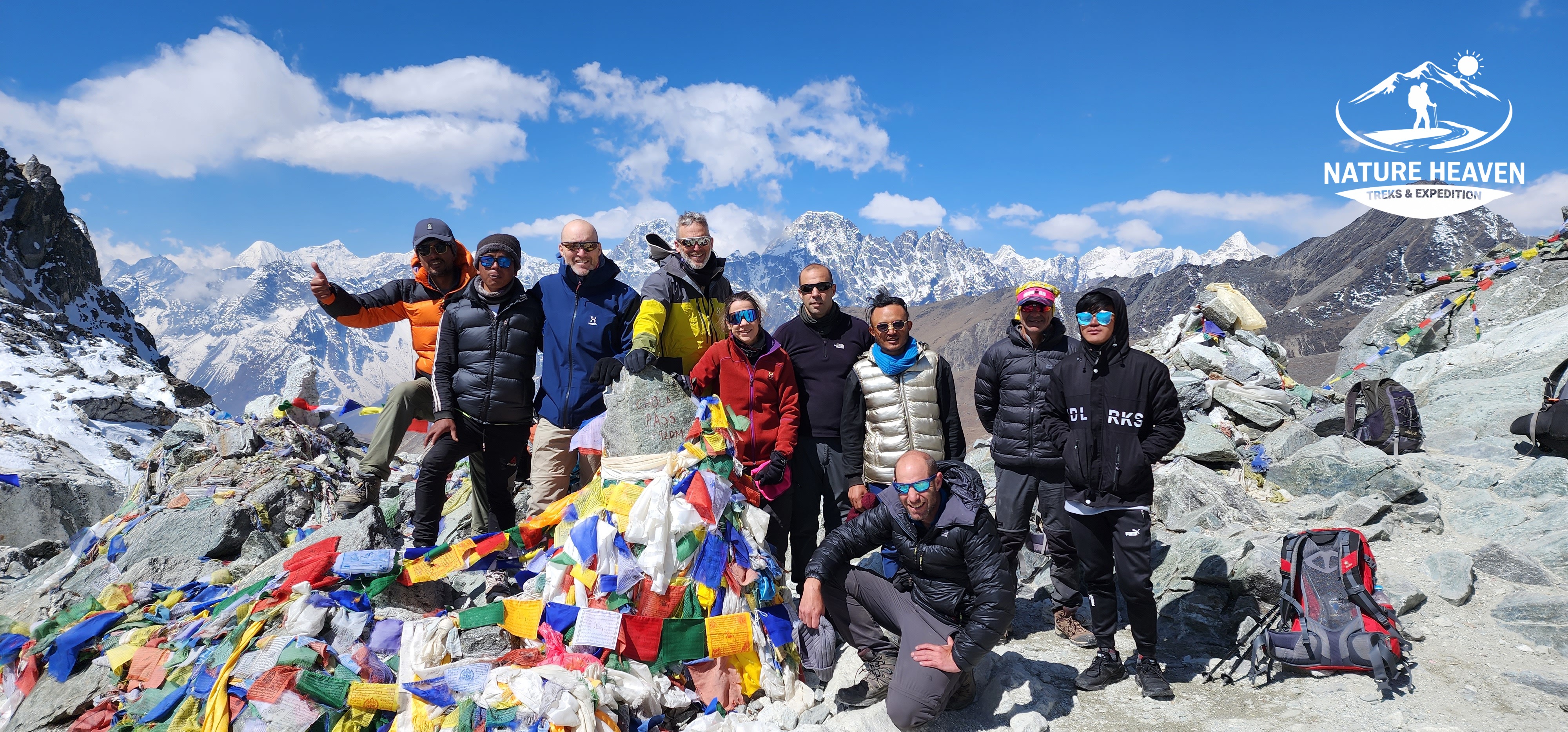
What Causes Altitude Sickness at High Elevations?
The air at altitude still contains about 21% oxygen, but lower air pressure means each breath delivers less of it to your blood. Your body compensates by breathing faster and raising your heart rate, and over several days it makes deeper changes called acclimatization. If you climb faster than these changes can happen, the oxygen shortage can trigger headache and fluid shifts and, in rare cases, dangerous swelling of the brain or lungs.
Who Is at Risk of Altitude Sickness While Trekking?
Anyone can be affected, and being fit does not protect you. Strong, fast hikers are often at higher risk because they ascend too quickly. Risk rises with previous altitude illness, rapid ascent, or flying straight to high elevations. Illness can begin around 2,450 metres in susceptible people. With heart, lung or blood conditions, pregnancy, or children, get medical advice first.
Common Symptoms of Altitude Sickness
Early Symptoms of Acute Mountain Sickness (AMS)
AMS usually appears 6 to 12 hours after reaching a new altitude and often feels worst overnight. The main symptom is headache, together with at least one of the following:
- Nausea or vomiting
- Loss of appetite
- Dizziness or light-headedness
- Unusual fatigue or weakness
- Poor sleep
It feels like a bad hangover or flu, which is why trekkers often dismiss it. Treat any new headache at altitude as altitude sickness until proven otherwise. Mild AMS is a signal to stop climbing, not a reason to push on. Tell your guide honestly; hiding symptoms endangers everyone. Pain relief must never be used to keep ascending.
Warning Signs of Severe Altitude Illness
HACE and HAPE can develop quickly, even overnight.
HACE (brain swelling):
- Confusion or unusual behaviour
- Loss of coordination, such as stumbling or being unable to walk heel-to-toe in a straight line
- Severe headache that does not respond to rest or pain relief
- Extreme drowsiness or hallucinations
HAPE (fluid in the lungs):
- Breathlessness at rest
- A worsening cough, sometimes with pink or frothy sputum
- Chest tightness or gurgling sounds
- Blue or grey lips and fingernails
Any of these signs is an emergency. Descend immediately with a companion and get medical help. Do not wait until morning.
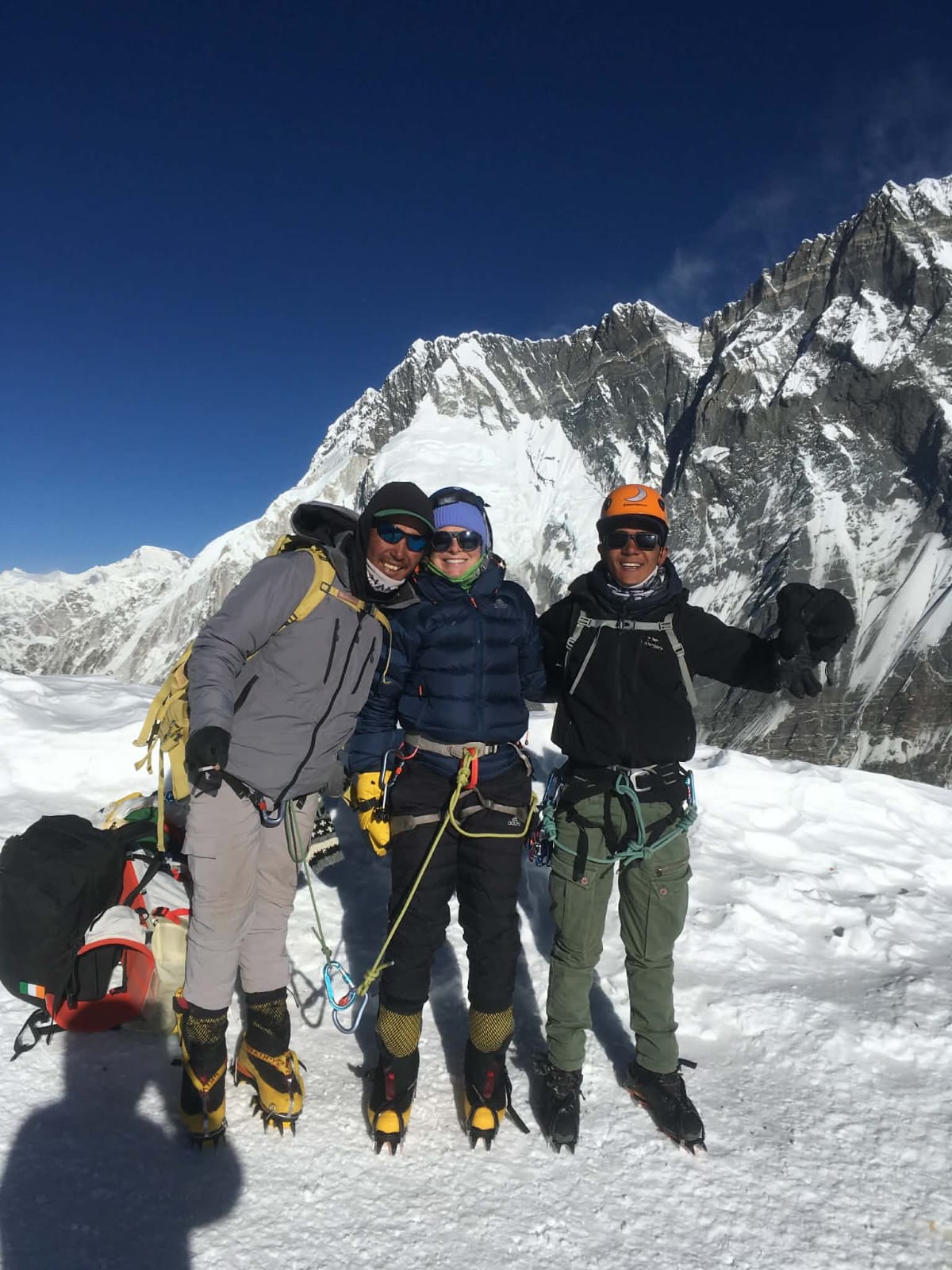
How to Prevent Altitude Sickness While Trekking in Nepal
Ascend Gradually and Follow a Proper Trekking Itinerary
Above 3,000 metres, commonly recommended guidance is to increase your sleeping altitude by no more than about 500 metres per day, and to add an extra rest night for every 1,000 metres gained. These are guidelines, not guarantees. Count the height where you sleep, not the highest point you reach during the day. A schedule that looks safe on paper can fail when a Lukla flight delay squeezes your days, so ask any operator how many buffer days they build in. Check every single night of the itinerary, because an average daily gain can hide one big jump.
Include Acclimatization Days in Your Trek
A rest day is not a day in bed. Hike a few hundred metres higher during the day, then return to sleep at the lower lodge. Rest days reduce risk but do not remove it, because the next night's sleeping altitude still matters most. If you feel unwell on a rest day, stay where you are and do not ascend the next morning. Our altitude acclimatization rules cover this in more detail.
Stay Hydrated Without Overdrinking
Drink regularly and aim for pale-yellow urine, using soup and tea to add fluids. More is not better. Forcing down large volumes of water can dilute your blood sodium and is itself dangerous. Water does not prevent altitude sickness, but dehydration can cause headaches that mimic AMS and confuse your judgement. Treat all trail water with a filter or purification tablets.
Walk at a Comfortable Pace and Avoid Overexertion
Walk slowly enough to hold a conversation. If you cannot speak a full sentence, slow down. On steep sections, pause briefly after each step rather than racing uphill and stopping gasping. Let faster friends go ahead, and keep warm, because shivering and cold add to the workload on your body. Check in with yourself at every rest stop: headache, nausea or unusual breathlessness means pause and tell your guide.
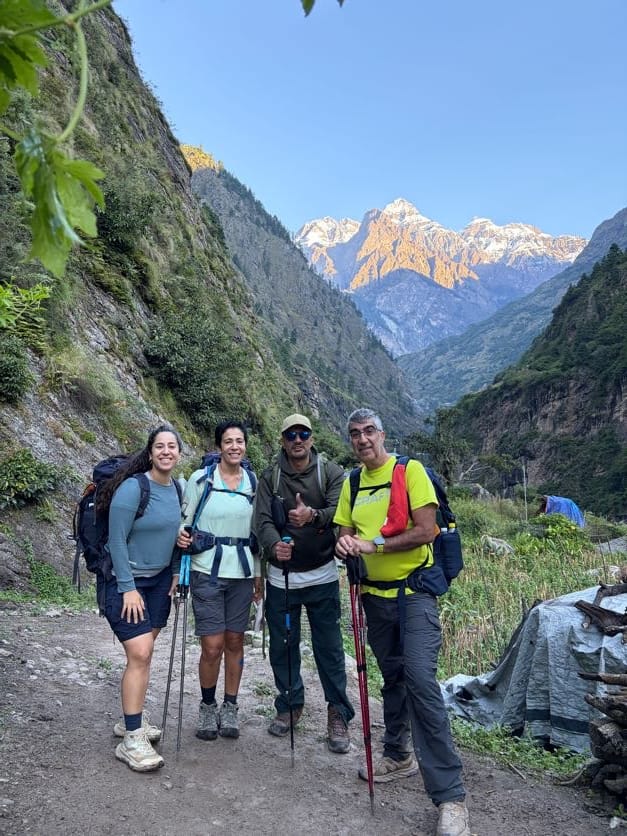 Nature Heaven Trek
Eat Regular Meals and Maintain Your Energy
Appetite often falls at altitude, yet your body needs fuel. Build meals around carbohydrates such as rice, potatoes, noodles and porridge, and carry snacks for the long stretches between lodges. A skipped meal can bring on fatigue that feels exactly like early AMS. Eating very little because you feel unwell is itself a warning sign worth reporting.
Avoid Alcohol and Be Careful With Sleep Medications
Alcohol dehydrates you, disturbs sleep and breathing, and can mask or mimic symptoms. Skip it until you are back below 3,000 metres. Sleeping tablets and sedatives can suppress breathing at night, so avoid them at altitude unless a clinician has specifically advised otherwise.
Consult a Doctor About Altitude Sickness Medication
Acetazolamide (often called Diamox) is a prescription medicine commonly used to help prevent AMS in suitable travellers, and it is normally started before ascending. It does not replace gradual ascent, and it is not a licence to keep climbing with symptoms. Whether it suits you, the dose, and how to handle side effects such as tingling or frequent urination, are decisions for a qualified healthcare professional, ideally a travel-medicine doctor, weeks before you fly. Never borrow tablets from other trekkers. For wider preparation, see our guide on how to prepare for a Himalaya trek.
How to Acclimatize Properly on Nepal's Popular Trekking Routes
Altitudes below are approximate and vary by lodge. No itinerary can promise to prevent altitude sickness entirely, so treat these as planning aids, not guarantees.
Acclimatization on the Everest Base Camp Trek
On the Everest Base Camp Trek, most trekkers fly to Lukla (about 2,860 m), sleep at Phakding (about 2,610 m), then reach Namche Bazaar (about 3,440 m), where a rest day is standard. Use it for a hike toward Hotel Everest View and sleep in Namche again. The step from Tengboche (about 3,860 m) to Dingboche (about 4,410 m) is larger than 500 m, so ask whether your guide splits it. Rest again at Dingboche before Lobuche and Gorak Shep (about 5,164 m).
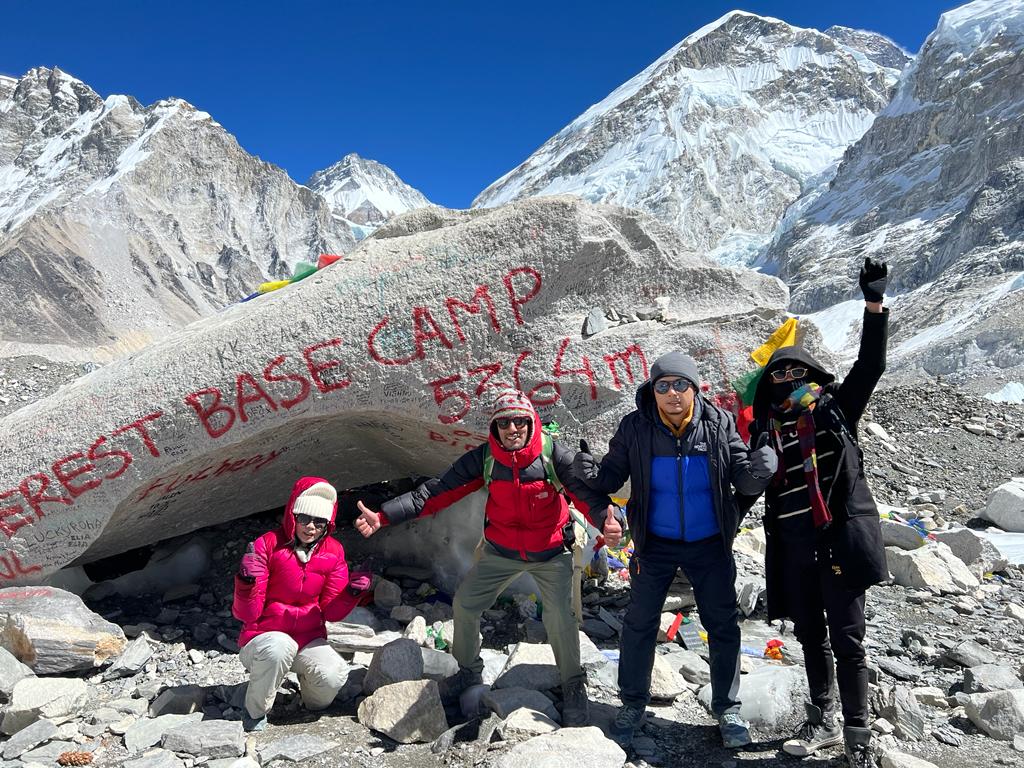
Altitude Safety on the Annapurna Circuit Trek
The Annapurna Circuit Trek climbs steadily to Manang (about 3,540 m), where a rest day matters. The danger comes next: Yak Kharka (about 4,020 m), then Thorong Phedi (about 4,450 m) or High Camp (about 4,920 m), then a pre-dawn crossing of Thorong La (5,416 m) in cold and wind. Do not attempt the pass with symptoms.
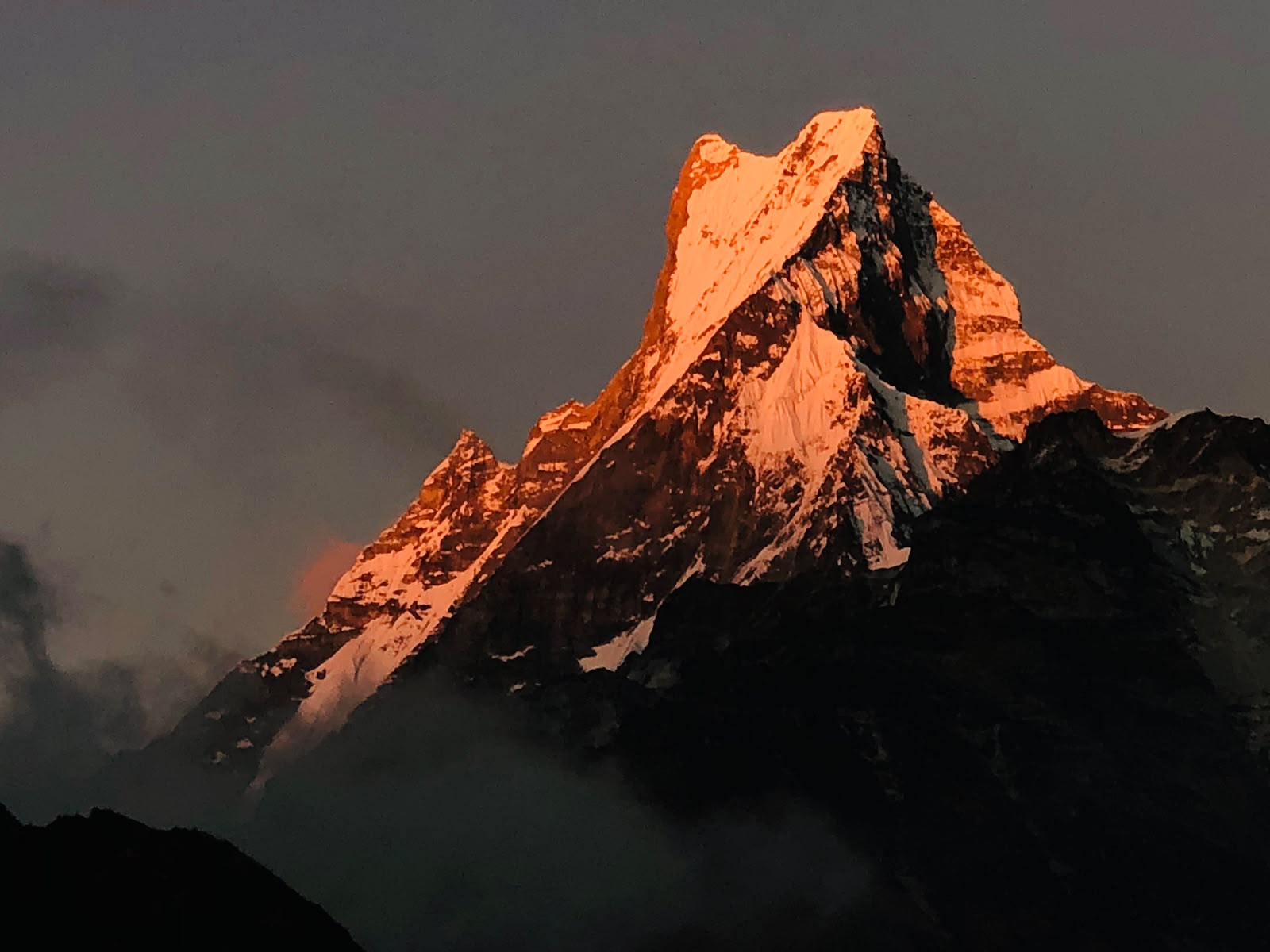
Preparing for the Gokyo Lakes Trek
On the Gokyo Ri Trek, after Namche you sleep at Dole (about 4,040 m), Machhermo (about 4,470 m) and Gokyo (about 4,790 m), gaining height steadily with fewer lodge choices. Add a spare night at Machhermo or Gokyo, and climb Gokyo Ri (5,357 m) as a day hike rather than a move to a higher bed.
 Nature Heaven Trek
What Should You Do If You Develop Altitude Sickness?
Stop Ascending and Assess Your Symptoms
At the first signs of AMS, stop climbing, tell your guide and rest at the same altitude. Drink fluids and eat lightly. Do not move to a higher sleeping altitude until every symptom has fully gone. Recheck yourself every few hours, and never stay behind alone in a lodge without someone monitoring you. Our health and risk prevention advice covers staying well on the trail.
When Should You Descend to a Lower Altitude?
Descend if symptoms worsen, do not improve after rest, or appear while you are resting. Guidance commonly involves descending from several hundred metres to around 1,000 metres, and your guide or a doctor should decide. Anyone with confusion or poor coordination must be accompanied. Pulse-oximeter readings can help, but cold fingers can distort them, so never rely on a number over how the person looks and behaves.
When to Seek Emergency Medical Assistance
Call for help for confusion, loss of coordination, breathlessness at rest, a pink or frothy cough, blue lips, or drowsiness that is hard to wake. Descent is the priority while help is arranged. Your guide, lodge or insurer's emergency line can coordinate evacuation. Himalayan Rescue Association aid posts, such as those at Pheriche and Manang, offer advice in season. Oxygen and portable pressure bags buy time but never replace descent.
Essential Tips for a Safe High-Altitude Trek in Nepal
Choose an Appropriate Itinerary and Experienced Guide
Pick a route with gradual sleeping-altitude gains, rest days and spare days for weather delays. Arrange your Nepal trekking permits early so delays never force a rush. An experienced guide checks you daily and has the authority to stop an ascent. Ask how often they check symptoms and oxygen levels, what altitude and first-aid training they hold, and whether they carry a first-aid kit and communication device. See why guides are mandatory for trekkers.
Carry Travel Insurance That Covers High-Altitude Trekking
Confirm your policy covers your maximum altitude, emergency helicopter evacuation and medical care, and check exclusions, because some policies cap altitude. Our travel insurance guide for trekking in Nepal explains what to look for. Keep the insurer's 24-hour number with you.
Know Your Emergency Evacuation Options
Learn where the nearest aid posts and helicopter landing sites are, and how your guide will communicate when mobile coverage fails. Agree on decision rules before you start, so descent is never a negotiation.
 Nature Heaven Trek
Conclusion
Prevention comes down to a few habits: ascend gradually, plan acclimatization days, learn the symptoms and decide early. No itinerary removes risk completely, but a well-paced route with spare days gives your body its best chance. Speak up when you feel unwell, never climb with symptoms and descend if they worsen. Explore our 14-day Everest Base Camp itinerary, built around sensible sleeping altitudes and rest days.
Plan your trek
Want to Plan Your Holiday in Nepal?
Tell us your dates and fitness level. A local expert replies within a day with a private itinerary and price.
Frequently Asked Questions
Below are the questions trekkers ask most often, answered briefly. These answers are general guidance, so speak to a doctor about your own health, medical history and trek plans before you travel.
How can I prevent altitude sickness while trekking in Nepal?
Ascend gradually, keeping your sleeping altitude gain to roughly 500 metres a day above 3,000 metres, and schedule acclimatization days. Walk at a pace that lets you talk, eat and drink regularly, and report symptoms early. Avoid alcohol. Ask a healthcare professional whether preventive medication suits you, and never ignore a headache at altitude. A few buffer days make all of this far easier.
At what altitude does altitude sickness start in Nepal?
Altitude illness can affect susceptible people from around 2,450 metres, although risk varies with the individual and the speed of ascent. There is no altitude that is safe for everyone. Many Nepal treks pass this level early, so plan a gradual ascent from the first days rather than waiting until the trail feels high.
Can I take medicine to prevent altitude sickness on the Everest Base Camp Trek?
Acetazolamide is commonly prescribed to help prevent acute mountain sickness in suitable travellers, including Everest Base Camp trekkers. A clinician should assess whether it suits you, along with the dose, contraindications and side effects, before you travel, ideally several weeks before departure. It supports gradual ascent and acclimatization but never replaces them.
Should I continue trekking if I have altitude sickness symptoms?
No. Do not ascend to a higher sleeping altitude while you have symptoms. Rest, tell your guide and wait until symptoms fully resolve. If they worsen, or confusion, loss of coordination or breathlessness at rest appear, descend urgently and seek medical help. Continuing upward with symptoms can turn a mild illness into a life-threatening one.