

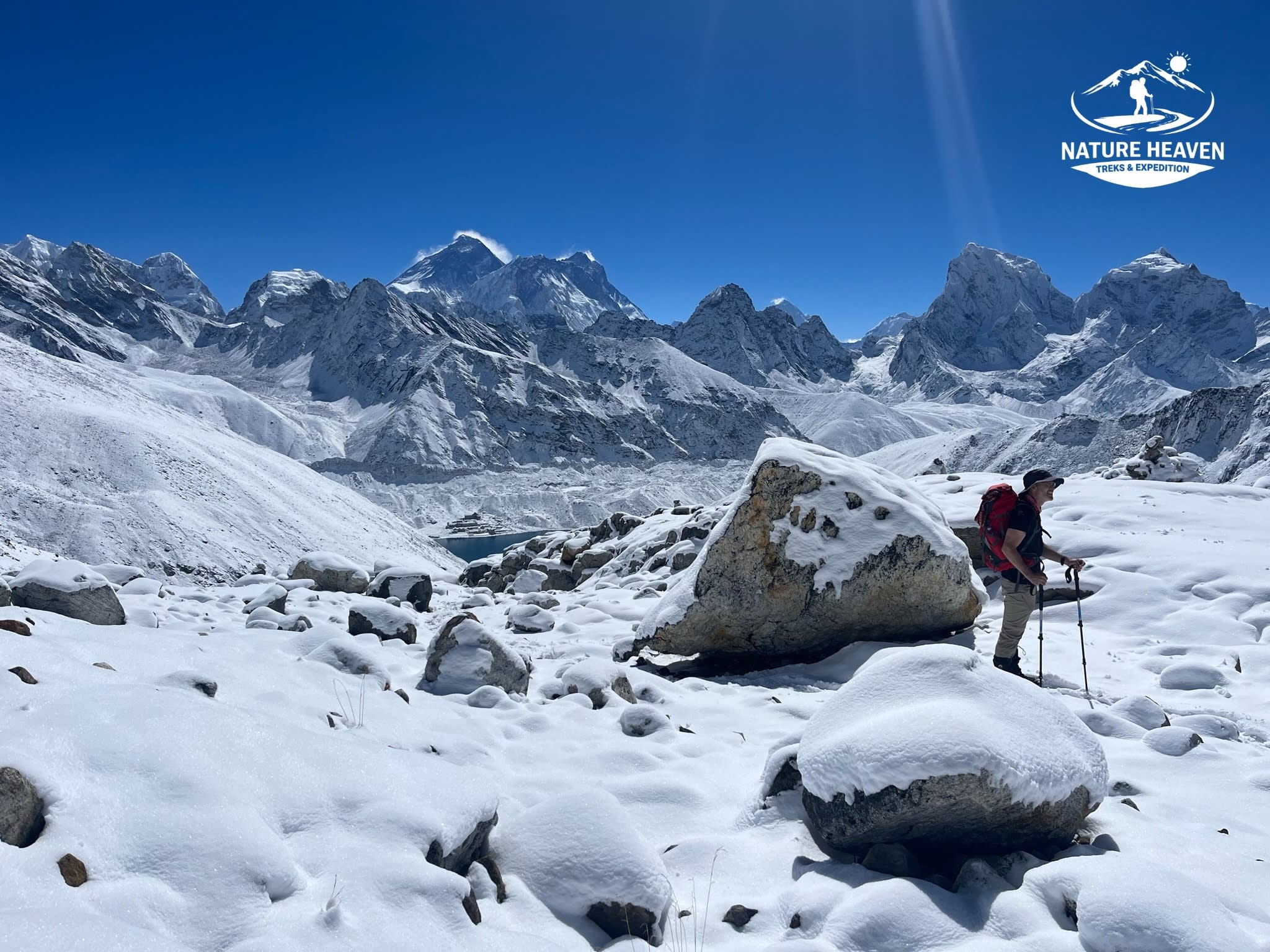
The best time to visit Nepal depends on your travel interests and preferred activities. For classic trekking and crystal-clear mountain views, Autumn (September to November) is considered the ideal season. If you prefer warmer temperatures, blooming landscapes, and fewer crowds, Spring (March to May) is an excellent choice.
1. Autumn (September to November) – Peak Season
Why visit: Following the monsoon, the skies become exceptionally clear, offering stunning mountain vistas and pleasant temperatures.
Best for: High-altitude trekking, mountaineering expeditions, and cultural sightseeing.
Highlights: Experience Nepal's major festivals, including Dashain and Tihar, creating a vibrant cultural atmosphere.
Note: As this is the busiest travel season, advance booking for accommodations and guides is highly recommended.
2. Spring (March to May) – Second Peak Season
Why visit: Warm weather, longer daylight hours, and colorful rhododendron blooms make spring one of Nepal's most beautiful seasons.
Best for: Trekking, peak climbing, mountaineering, and wildlife safaris in Chitwan and Bardia National Parks.
Highlights: Enjoy lively spring festivals such as Holi and witness the Himalayas adorned with blooming forests.
3. Winter (December to February) – Off Season
Why visit: Although higher elevations experience heavy snowfall, lower regions remain dry, peaceful, and less crowded.
Best for: Budget travel, lower-altitude treks, cultural tours, and wildlife viewing.
Highlights: Clear skies, tranquil trails, and excellent opportunities for spotting wildlife in national parks.
4. Summer / Monsoon (June to August) – Low Season
Why visit: The monsoon transforms Nepal into a lush green paradise, with fewer tourists and quieter destinations.
Best for: Exploring rain-shadow regions such as Mustang and Dolpo, as well as travelers seeking off-season experiences.
Highlights: Vibrant landscapes, dramatic waterfalls, and unique trekking opportunities in areas less affected by monsoon rains.