

Mount Everest has claimed the lives of more than 300 climbers over the decades, and many people ask why are bodies never recovered from Mount Everest when so many other mountains manage to bring their fallen climbers home. The truth is that recovery on Everest is rarely simple or even possible. Extreme cold, thin air, and the sheer difficulty of moving through the upper slopes make retrieving a body one of the most dangerous tasks in mountaineering. This blog explains the real reasons behind this difficult reality and what it means for the climbers who attempt this legendary peak.
The Death Zone Explained
Above 8,000 meters, climbers enter what is known as the death zone, where oxygen levels drop to about a third of what is available at sea level. In this environment, the human body starts to shut down slowly, even with supplemental oxygen. Most deaths on Mount Everest happen within this zone, since exhaustion, altitude sickness, and extreme weather combine to create conditions that are almost impossible to survive for long. Climbers are advised to spend as little time as possible here, often making their final summit push and returning within a single day.
Why the Cold Makes Recovery So Difficult
Temperatures in the death zone rarely rise above freezing, even during the warmest climbing season. This extreme cold means that bodies do not decompose the way they would at lower altitudes. Instead, they freeze solid and often become fused to the ice and rock around them over time. What might have been a manageable task shortly after death becomes far more difficult months or years later, since rescuers may need to chip a body free from ice before it can even be moved.
The Physical Challenge of Carrying a Body
Removing a body from high on Everest is not as simple as carrying a stretcher down a hill. At extreme altitude, even carrying your own body weight becomes exhausting, let alone the added weight of another person, especially once a body has frozen and gathered additional ice. Rescue teams typically need six to ten experienced climbers to move a single body, taking turns hauling it across treacherous terrain using ropes and makeshift sleds. This process can take an entire day, all while the rescue team faces the same dangerous conditions that killed the person they are trying to bring home.
The High Cost of Recovery
Recovering a body from Everest is extremely expensive, often costing between 30,000 and 100,000 US dollars depending on the location, weather, and number of people needed for the mission. This cost covers oxygen, specialized gear, and payment for the Sherpas who take on this dangerous work. Helicopters cannot fly to the upper reaches of the mountain due to the thin air, which means recovery has to be done entirely on foot. For many grieving families, this financial burden makes recovery simply out of reach, even if they wish they could bring their loved one home.
The Risk to Living Climbers
Every recovery mission puts living climbers at serious risk, which raises a difficult ethical question that the mountaineering community continues to debate. Rescue teams face the exact same dangers that caused the original death, including avalanches, sudden weather changes, and altitude sickness. Some rescue companies now refuse to attempt recoveries above a certain altitude, stating that they will not risk the lives of the living to recover the dead. This has led to a general understanding within the climbing community that some bodies will remain on the mountain permanently.
Rainbow Valley and Other Resting Places
Within the death zone lies an area known as Rainbow Valley, named after the brightly colored jackets worn by the many climbers who have died there over the years. Most bodies are left exactly where the climber fell, sometimes moved slightly off the main trail out of respect for those who continue climbing. Some remain visible for years, becoming landmarks that later climbers use to track their progress toward the summit, a stark reminder of just how unforgiving this environment can be.
A Different Experience Below the Death Zone
While the upper reaches of Everest carry extreme risk, this danger is limited mainly to climbers attempting the actual summit. Trekkers who want to experience the mountain without facing these risks often choose the Everest Base Camp Trek, which takes visitors to Everest Base Camp at 5,364 meters, well below the death zone. This trek offers incredible views of the mountain and a genuine sense of its scale, without requiring the technical climbing skills or extreme altitude exposure that make summit attempts so dangerous.
For Those Seeking a Bigger Challenge
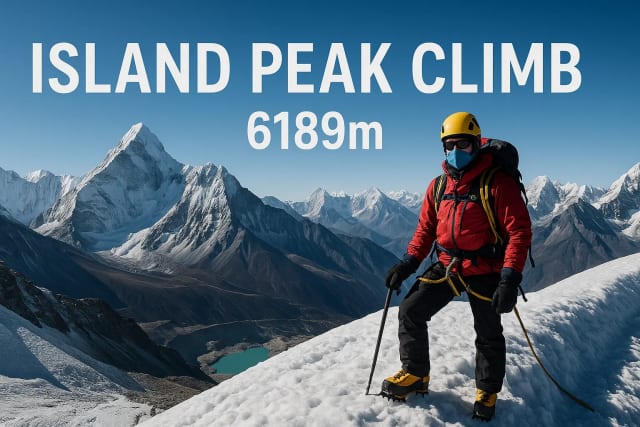
For trekkers who want to go beyond base camp without attempting the full summit, the Island Peak Climbing With EBC - 19 Days offers a taste of technical climbing on a smaller, more manageable peak. This gives adventurous trekkers a real mountaineering experience while still staying well clear of the extreme altitude and conditions found on Everest's upper slopes, where recovery becomes nearly impossible.
Other Himalayan Treks Without the Same Risk
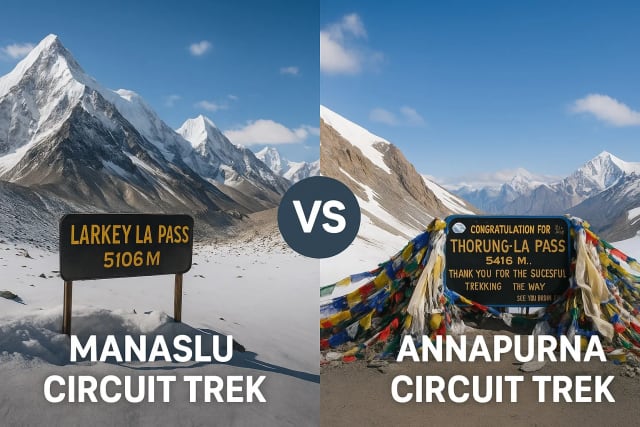
Nepal offers plenty of trekking experiences that let visitors enjoy the Himalayas without facing anything close to the risks found on Everest's death zone. The Annapurna Base Camp Trek - 13 Days takes trekkers into a dramatic mountain amphitheater at a much safer altitude, while the Mardi Himal Trek offers a shorter, quieter alternative with stunning close up mountain views. Both routes show that experiencing the beauty of the Himalayas does not require facing the same dangers found near Everest's summit.
Changing Attitudes Toward Everest's Fallen Climbers
In recent years, there has been growing discussion about cleaning up parts of the mountain, including some limited efforts to remove bodies and waste from the most heavily trafficked routes. These efforts remain rare and extremely difficult to organize, given the same cost and danger issues that prevent most individual recoveries. For now, most of the climbers who have died on Everest will likely remain there permanently, a sobering reminder of the mountain's power over even the most experienced adventurers.
Conclusion
The reasons why bodies are never recovered from Mount Everest come down to a combination of extreme cold, thin air, difficult terrain, high cost, and serious risk to anyone attempting a recovery. What might seem like a simple task at lower altitudes becomes nearly impossible above 8,000 meters, where the mountain offers little mercy to the living or the dead. For most trekkers, experiencing Everest's grandeur from base camp or a nearby trail offers a much safer way to appreciate this legendary peak.
Frequently Asked Questions
How many bodies remain on Mount Everest?
Estimates suggest more than 200 bodies remain on the mountain, most of them located in or near the death zone above 8,000 meters.
Why can't helicopters retrieve bodies from Everest?
The air at extreme altitude is too thin for helicopters to fly safely, so any recovery must be carried out entirely on foot by climbing teams.
How much does it cost to recover a body from Everest?
Costs typically range from 30,000 to 100,000 US dollars, depending on the location, weather conditions, and number of people required for the mission.
What is Rainbow Valley on Everest?
Rainbow Valley is an area within the death zone where many bodies remain, named after the brightly colored jackets worn by fallen climbers.
Is it safe to trek to Everest Base Camp?
Yes, trekking to Everest Base Camp does not involve the death zone and is considered far safer than attempting to summit the mountain.