

Nepal is a beautiful country in South Asia, located between India and China. Even though it is a small country, Nepal has an incredible variety of landscapes, including the Himalayan Mountains, green hills, fertile plains, rivers, lakes, forests, and national parks. It is home to Mount Everest, the highest mountain in the world, along with many other famous Himalayan peaks. Nepal's geography makes it one of the most diverse and attractive travel destinations in the world.
The country is divided into three geographical regions: the Himalayan Region, the Hill Region, and the Terai Region. Each region has its own climate, culture, wildlife, and natural beauty. Nepal also has major rivers such as the Koshi, Gandaki, and Karnali, beautiful lakes like Phewa, Rara, and Tilicho, and famous national parks including Chitwan National Park and Sagarmatha National Park, which protect rare animals and unique ecosystems.
Because Nepal ranges from tropical lowlands to snow-covered Himalayan peaks, it has many different climate zones, making it suitable for adventure, trekking, wildlife safaris, cultural tourism, and nature exploration throughout the year. This remarkable geographical diversity is one of the main reasons why millions of travelers visit Nepal every year
Plan your trek
Want to Plan Your Holiday in Nepal?
Tell us your dates and fitness level. A local expert replies within a day with a private itinerary and price.
History of Nepal
Nepal has a long and fascinating history that goes back thousands of years. Over time, the country has been ruled by different kings and governments. Each period has helped shape the Nepal we know today. Understanding Nepal's history helps us understand its culture, traditions, and national identity.
Ancient Nepal
The history of Nepal began more than 2,500 years ago. The Kathmandu Valley was home to some of the earliest civilizations in the Himalayan region. The Kirat Dynasty is believed to be one of the first ruling dynasties of Nepal. Later, the Licchavi Dynasty (around 400–750 AD) brought peace, development, and prosperity. During this period, beautiful temples, sculptures, and stone inscriptions were built. After the Licchavi period came the Malla Dynasty (1200–1768 AD). The Malla kings built many famous palaces, temples, and public squares that still attract visitors today. Cities like Kathmandu, Patan, and Bhaktapur became important centers of art, culture, trade, and architecture.
Unification by King Prithvi Narayan Shah
Before the 18th century, Nepal was divided into many small kingdoms. These kingdoms often fought with one another, making the region weak. King Prithvi Narayan Shah, the ruler of the small kingdom of Gorkha, dreamed of uniting all these kingdoms into one strong nation. After several military campaigns, he successfully captured Kathmandu Valley in 1768 and unified much of present-day Nepal. He is known as the Founder of Modern Nepal. His vision helped create a united country that could protect its independence from foreign powers.
Shah Dynasty
After unification, the Shah Dynasty ruled Nepal for more than two centuries. The Shah kings expanded the country's borders and strengthened the central government. However, over time, political power shifted away from the kings. Although the monarchy remained important, real authority was often controlled by powerful political leaders.
Rana Regime
In 1846, the Rana Regime began after the Kot Massacre. The Rana family made the position of Prime Minister hereditary and ruled Nepal for 104 years (1846–1951). During this time, the kings had very little power. The Rana rulers built grand palaces and introduced some modern developments, but they also limited education, freedom of speech, and political rights. Most ordinary people had little opportunity to participate in government.
Democracy and Republic
In 1951, the Rana rule ended after a people's movement supported by the king and democratic leaders. Nepal began moving toward democracy, although political changes continued for many years. In 1990, a new democratic constitution established a constitutional monarchy with multi-party democracy. After another major people's movement in 2006, Nepal abolished the monarchy. In 2008, Nepal officially became the Federal Democratic Republic of Nepal, ending over 240 years of Shah monarchy.
Modern Nepal
Today, Nepal is a federal democratic republic with seven provinces. The country has an elected government led by a Prime Minister and a President as the Head of State. Nepal continues to develop its economy, education, tourism, infrastructure, and technology while preserving its rich cultural heritage. Although the country faces challenges such as economic development and natural disasters, Nepal remains known for its resilience, cultural diversity, and the warm hospitality of its people.
Culture and Traditions of Nepal
Nepal is a country with rich culture, ancient traditions, and great ethnic diversity. Although Nepal is a small country, it is home to many different communities, languages, religions, festivals, and customs. Every region has its own unique way of life, making Nepal one of the most culturally diverse countries in the world. Visitors come to Nepal not only for the Himalayas but also to experience its warm people, colorful festivals, traditional villages, and living heritage.
Ethnic Diversity
Nepal is home to more than 125 ethnic groups. Each ethnic community has its own culture, language, dress, food, music, festivals, and traditions. Some of the major ethnic groups include the Sherpa, Gurung, Tamang, Newar, Magar, Rai, Limbu, Tharu, Brahmin, Chhetri, and Thakali communities.
The Sherpa people are famous for their mountaineering skills in the Everest region. The Newar community is known for preserving ancient art, architecture, and festivals in the Kathmandu Valley. The Tharu people are the indigenous community of Nepal's southern Terai region. Each group adds something special to Nepal's cultural identity.
Languages Spoken
Nepal is a multilingual country with more than 120 languages spoken across the country. Nepali is the official language and is spoken by most people. However, many local languages are still widely used in different regions.
Some commonly spoken languages include Maithili, Bhojpuri, Newari (Nepal Bhasa), Tamang, Sherpa, Gurung, Limbu, Rai, Tharu, and Magar. English is also commonly spoken in cities, tourist areas, hotels, restaurants, and by trekking guides, making it easier for international visitors to communicate.
Traditional Clothing
Traditional clothing in Nepal varies by ethnic group and region. Men commonly wear the Daura Suruwal, which is considered Nepal's national dress. Women often wear the beautiful Gunyo Cholo, Sari, or colorful traditional dresses unique to their communities.
Many ethnic groups have their own distinctive clothing. Sherpas wear warm woolen clothing suitable for the mountains, while Newar women wear elegant traditional attire during festivals and ceremonies. During special occasions, people proudly wear traditional clothes that reflect their cultural heritage.
Music and Dance
Music and dance are an important part of Nepali culture. Traditional music is played during festivals, weddings, religious ceremonies, and community celebrations.
Popular traditional musical instruments include the Madal, Sarangi, Bansuri (flute), and Damphu. Different ethnic groups perform their own traditional dances, such as the Maruni Dance, Lakhey Dance, Ghatu Dance, Sakela Dance, and Charya Dance. These performances tell stories about history, religion, nature, and everyday life.
Local Customs
Nepali culture places great importance on family, respect, and community. It is common for several generations to live together in one household. Family members support one another and celebrate festivals together.
People often remove their shoes before entering homes and temples. Elders are respected, and younger people greet them politely. Festivals, religious ceremonies, and family gatherings play an important role in everyday life. Sharing meals with family and guests is also a valued tradition.
Hospitality
Nepal is famous for its warm hospitality. Visitors are often welcomed with a genuine smile and the traditional greeting "Namaste," where both hands are joined together.
Guests are treated with great respect because of the Nepali belief "Atithi Devo Bhava," meaning "The guest is like God." Whether staying in a mountain teahouse, village homestay, or city hotel, travelers often experience the kindness, generosity, and friendliness of the Nepali people.
Cultural Etiquette
Respecting local customs helps visitors enjoy a better travel experience. When greeting someone, saying "Namaste" is polite and appreciated. Dress modestly when visiting temples and religious sites. Remove your shoes before entering temples or private homes when requested.
Always ask permission before taking photographs of people, especially monks, local villagers, or during religious ceremonies. Walk around Buddhist stupas and prayer wheels in a clockwise direction, and avoid touching religious objects unnecessarily. Showing respect for local traditions and customs creates meaningful connections with local communities.
Trekking and Hiking in Nepal
Trekking and Hiking in Nepal
Nepal is one of the best places in the world for trekking and hiking. Every year, hundreds of thousands of travelers visit Nepal to walk through beautiful mountain trails, peaceful villages, green forests, and high mountain passes. Nepal offers something for everyone. Whether you are a beginner looking for a short and easy hike or an experienced adventurer wanting to reach remote Himalayan valleys, Nepal has the perfect trekking destination.
Trekking in Nepal is much more than walking. It is a journey through nature, culture, history, and local traditions. Along the trails, you will meet friendly local people, visit ancient monasteries, cross exciting suspension bridges, and enjoy some of the most breathtaking mountain views on Earth.
Because of its natural beauty, diverse landscapes, and famous Himalayan peaks, Nepal is known as the Trekking Capital of the World.
Why Nepal is the World's Trekking Destination
Nepal is home to the Himalayas, including Mount Everest (8,848.86 m), the highest mountain on Earth. Out of the world's 14 mountains higher than 8,000 meters, Nepal has eight, making it one of the greatest mountain destinations in the world.
There are many reasons why Nepal is the world's favorite trekking destination.
Incredible Mountain Views
Trekkers can enjoy spectacular views of famous mountains such as:
- Mount Everest
- Kanchenjunga
- Lhotse
- Makalu
- Cho Oyu
- Manaslu
- Annapurna I
- Dhaulagiri
These snow-covered peaks create unforgettable scenery throughout the journey.
Amazing Natural Diversity
Nepal has an incredible variety of landscapes. During one trek, you may walk through:
Green forests
- Rice terraces
- Rivers and waterfalls
- Alpine meadows
- Glacial lakes
- High mountain deserts
- Snow-covered passes
This diversity makes every day of trekking different and exciting.
Rich Culture
Nepal is home to many ethnic communities, including:
- Sherpa
- Gurung
- Tamang
- Rai
- Limbu
- Thakali
- Tibetan communities
Each community has its own traditions, festivals, language, food, and lifestyle, giving trekkers a unique cultural experience.
Well-Developed Trekking Routes
Nepal has hundreds of trekking trails with:
- Comfortable teahouses
- Local lodges
- Experienced trekking guides
- Porters
- Clear trekking routes
- National parks and conservation areas
This makes trekking easier and safer for travelers from around the world.
Popular Trekking Regions in Nepal
Nepal has many famous trekking regions. Each one offers different landscapes, cultures, and adventures.

Everest Region
The Everest Region, also called the Khumbu Region, is Nepal's most famous trekking destination.
This region is home to:
- Mount Everest
- Sherpa villages
- Buddhist monasteries
- Yak farms
- Glaciers
- Icefalls
The most popular trek is the Everest Base Camp Trek, where trekkers walk to the base of the world's highest mountain.
Highlights include:
- Lukla Airport
- Namche Bazaar
- Tengboche Monastery
- Kala Patthar viewpoint
- Everest Base Camp
The Everest Region offers some of the most spectacular mountain scenery on Earth.

Annapurna Region
The Annapurna Region is Nepal's most diverse trekking area.
It offers:
- Forests
- Rivers
- Waterfalls
- Rhododendron forests
- Mountain villages
- Snow-covered peaks
Popular treks include:
- Annapurna Base Camp Trek
- Annapurna Circuit Trek
- Ghorepani Poon Hill Trek
- Mardi Himal Trek
Trekkers enjoy beautiful views of:
- Annapurna
- Machhapuchhre (Fishtail)
- Hiunchuli
- Dhaulagiri
This region is suitable for beginners as well as experienced trekkers.

Langtang Region
The Langtang Region is one of Nepal's closest trekking destinations from Kathmandu.
Although it is near the capital city, it feels peaceful and less crowded.
Trekkers enjoy:
- Langtang National Park
- Bamboo forests
- Waterfalls
- Yak pastures
- Beautiful glaciers
- Friendly Tamang villages
Popular routes include:
- Langtang Valley Trek
- Gosaikunda Lake Trek
- Helambu Trek
Langtang is perfect for travelers looking for natural beauty without large crowds.
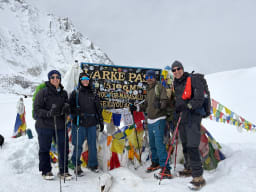
Manaslu Region
The Manaslu Region is one of Nepal's best remote trekking destinations.
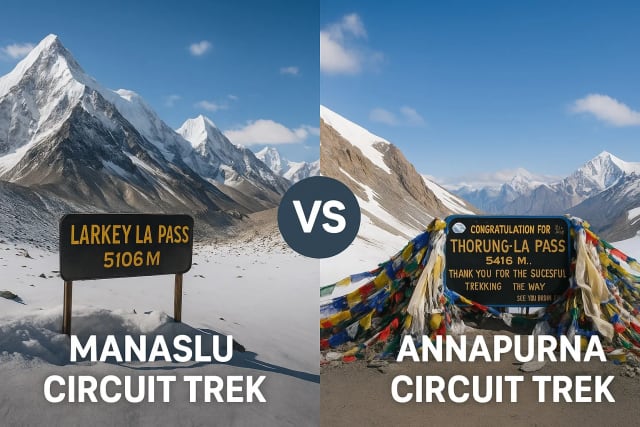
It circles Mount Manaslu (8,163 m), the eighth-highest mountain in the world.
Highlights include:
- Traditional mountain villages
- Ancient Buddhist monasteries
- Larkya La Pass (5,106 m)
- Beautiful valleys
- Suspension bridges
The Manaslu Circuit Trek is less crowded than Everest and Annapurna but offers equally impressive mountain scenery.
Because this is a restricted area, trekkers need special permits and must travel with a licensed guide.
Mustang Region
The Mustang Region is completely different from other trekking areas in Nepal.
Located in the rain shadow of the Himalayas, Mustang receives very little rainfall. Its landscape looks more like Tibet than the green hills of Nepal.
- Trekkers will discover:
- Desert-like valleys
- Colorful cliffs
- Ancient caves
- Tibetan Buddhist monasteries
- Walled villages
- Unique local culture
The Upper Mustang Trek is one of Nepal's most fascinating cultural adventures.
Special permits are required to visit this restricted region.

Kanchenjunga Region
The Kanchenjunga Region is one of Nepal's most remote trekking destinations.
It is home to Mount Kanchenjunga (8,586 m), the world's third-highest mountain.
This trek is perfect for adventure lovers who want:
- Remote mountain trails
- Untouched nature
- Wildlife
- Traditional villages
- Glacier landscapes
- Fewer tourists
The Kanchenjunga trek is longer and more challenging than many other treks, but it rewards trekkers with incredible wilderness and peaceful surroundings.
Popular Short Treks in Nepal
Not everyone has several weeks for trekking. Fortunately, Nepal also offers many short and easy treks.
Popular short trekking routes include:
Ghorepani Poon Hill Trek (4–5 days) – Famous for sunrise views over the Annapurna and Dhaulagiri mountain ranges.
Mardi Himal Trek (5–7 days) – Offers close-up views of Machhapuchhre (Fishtail) and Annapurna with peaceful forest trails.
Nagarkot Hiking (1–2 days) – A popular hike near Kathmandu known for Himalayan sunrise and sunset views.
Shivapuri National Park Hike (1 day) – A refreshing walk through forests, wildlife, and scenic viewpoints close to the capital.
Australian Camp Trek (2–3 days) – An easy trek near Pokhara with comfortable lodges and panoramic mountain scenery.
Dhampus Trek (2–3 days) – A family-friendly route through traditional Gurung villages and terraced hillsides.
Helambu Trek (5–7 days) – A cultural trek near Kathmandu featuring beautiful forests, monasteries, and Sherpa and Hyolmo villages.
These short treks are ideal for beginners, families, and travelers with limited vacation tim
Best Trekking Seasons in Nepal
Nepal can be visited throughout the year, but two seasons are considered the best for trekking.
Spring (March to May)
Spring is one of the most beautiful trekking seasons.
During this time:
- The weather is warm and comfortable.
- Rhododendron forests bloom with colorful flowers.
- Skies are generally clear.
- Mountain views are excellent.
- Wildlife becomes more active.
This season is perfect for Everest, Annapurna, Langtang, and Manaslu treks.
Autumn (September to November)
Autumn is the most popular trekking season in Nepal.
- After the monsoon rains:
- The air becomes clean and fresh.
- Mountain views are crystal clear.
- Temperatures are pleasant.
- Trails are dry and safe.
- Major Nepali festivals such as Dashain and Tihar add cultural charm.
Autumn offers the best overall trekking conditions across the country.
Winter (December to February)
Winter trekking is possible in lower-elevation regions. Higher mountain passes may be covered with snow, but the trails are quieter and the skies are often very clear.
Monsoon (June to August)
Monsoon brings heavy rain to many parts of Nepal, making some trails muddy and slippery. However, rain-shadow areas such as Upper Mustang and Dolpo remain excellent trekking destinations during this season.
Mountaineering and Adventure Activities in Nepal
Nepal is one of the world's best destinations for mountaineering and adventure activities. From the highest mountains on Earth to exciting rivers, deep jungles, and thrilling air sports, Nepal offers unforgettable experiences for every traveler. Whether you are an experienced climber or a first-time visitor, there is an adventure waiting for you.
Mount Everest – The Highest Mountain in the World
Mount Everest is the tallest mountain on Earth, standing at 8,848.86 meters (29,031.7 feet) above sea level. It lies on the border between Nepal and Tibet (China). Every year, thousands of trekkers visit Everest Base Camp, while hundreds of experienced climbers attempt to reach the summit.
Climbing Mount Everest is one of the greatest achievements in mountaineering. It requires excellent physical fitness, proper training, experienced guides, and several weeks of preparation. Even if you do not climb to the top, trekking to Everest Base Camp is one of the most popular adventures in Nepal.
Other 8,000-Meter Peaks
Nepal is home to 8 of the world's 14 mountains that are over 8,000 meters high. These famous peaks include:
- Kanchenjunga (8,586 m)
- Lhotse (8,516 m)
- Makalu (8,485 m)
- Cho Oyu (8,188 m)
- Dhaulagiri (8,167 m)
- Manaslu (8,163 m)
- Annapurna I (8,091 m)
These mountains attract mountaineers from around the world. Each peak offers different levels of difficulty, stunning landscapes, and unique climbing experiences.
These mountains attract mountaineers from around the world. Each peak offers different levels of difficulty, stunning landscapes, and unique climbing experiences.
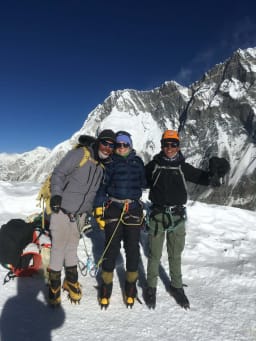
Peak Climbing
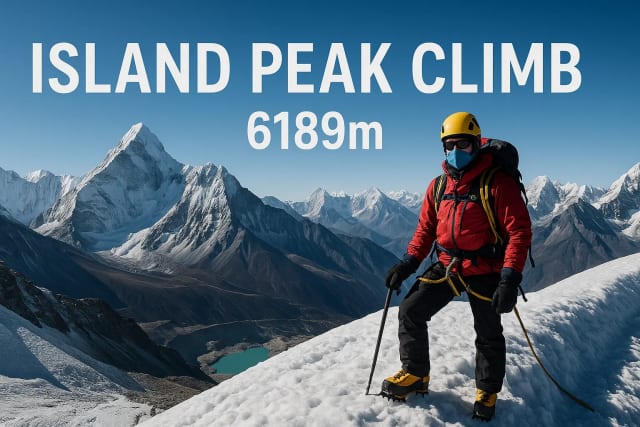
Nepal also offers many trekking peaks that are suitable for beginners and intermediate climbers. Popular climbing peaks include Island Peak, Mera Peak, Lobuche East, Pisang Peak, and Yala Peak. These climbs provide the excitement of reaching a Himalayan summit without the extreme difficulty of climbing an 8,000-meter mountain.
Other Adventure Activities
Nepal is not only famous for mountains. It also offers many exciting outdoor activities.
Rock climbing is available around Kathmandu, Pokhara, and Hattiban for beginners and experienced climbers.
Zipline rides in Pokhara are among the longest and steepest in the world.
Bungee jumping over deep river gorges gives visitors an unforgettable adrenaline rush.
Paragliding in Pokhara offers breathtaking views of Phewa Lake, green hills, and the Annapurna mountain range.
White-water rafting on rivers like the Trishuli, Bhote Koshi, Kali Gandaki, and Sun Koshi is popular for both beginners and adventure lovers.
Jungle safaris in Chitwan National Park and Bardia National Park allow visitors to see rhinos, Bengal tigers, elephants, crocodiles, deer, and many species of birds.
Mountain biking takes riders through villages, forests, mountain trails, and scenic landscapes across Nepal.
Ultra-light flights in Pokhara provide a unique opportunity to fly close to the Himalayan peaks and enjoy spectacular aerial views.
Nepal truly is an adventure paradise. Whether you dream of climbing Mount Everest, rafting through fast-flowing rivers, flying above the Himalayas, or exploring the jungle, Nepal offers experiences that few countries can match.

Wildlife and National Parks of Nepal
Nepal is one of the best countries in the world for wildlife and nature lovers. Even though Nepal is a small country, it has a great variety of plants, animals, forests, rivers, and mountains. From the lowland jungles of the Terai to the snowy Himalayas, Nepal is home to many rare and endangered species. The country is also famous for its national parks, wildlife reserves, and strong conservation efforts.
Nepal has 20 protected areas, including 12 National Parks, 1 Wildlife Reserve, 1 Hunting Reserve, 6 Conservation Areas, and 13 Buffer Zones. These protected areas cover nearly 24% of Nepal's total land area. They help protect forests, rivers, grasslands, mountains, and wildlife for future generations.
Some of Nepal's most famous National Parks include Chitwan National Park, Sagarmatha National Park, Bardia National Park, Langtang National Park, Rara National Park, and Shivapuri Nagarjun National Park. Each park has its own unique landscape and wildlife. Chitwan National Park is a UNESCO World Heritage Site and is well known for jungle safaris, rhinos, and Bengal tigers. Sagarmatha National Park protects Mount Everest and the wildlife living in the high Himalayan region.
Nepal also has important Wildlife Reserves, such as Koshi Tappu Wildlife Reserve, which is famous for bird watching and protecting wetlands. Thousands of migratory birds visit this reserve every year, making it one of the best birdwatching destinations in South Asia.
The Bengal Tiger is one of Nepal's greatest wildlife success stories. These powerful big cats live mainly in Chitwan, Bardia, Parsa, and Banke National Parks. Thanks to strong conservation programs, anti-poaching patrols, and habitat protection, the number of Bengal tigers in Nepal has increased significantly over the years.
The Greater One-horned Rhinoceros is another iconic animal of Nepal. Most rhinos live in Chitwan National Park, with smaller populations in Bardia and Shuklaphanta National Park. Nepal is one of the few countries where visitors can see these amazing animals in the wild.
High in the Himalayan mountains lives the mysterious Snow Leopard. This rare and shy animal survives in cold, rocky landscapes above 3,000 meters. Snow leopards can be found in protected areas such as Shey Phoksundo, Kanchenjunga, Makalu Barun, and Sagarmatha National Parks.
The Red Panda is one of Nepal's cutest and most endangered mammals. It lives in cool bamboo forests in eastern and central Nepal, especially in Langtang and Kanchenjunga National Parks. Because they are shy and spend most of their time in trees, spotting a red panda is a special experience.
Nepal is also a paradise for bird watching. More than 890 bird species have been recorded, including colorful pheasants, eagles, vultures, kingfishers, hornbills, and migratory water birds. Popular birdwatching destinations include Chitwan National Park, Koshi Tappu Wildlife Reserve, and Shivapuri Nagarjun National Park.
Nepal's conservation efforts have become an example for the world. The government, local communities, national parks, conservation organizations, and international partners work together to protect wildlife. Anti-poaching programs, community forests, wildlife monitoring, habitat restoration, and eco-tourism have helped increase the populations of endangered animals while supporting local communities. Today, Nepal is recognized as one of the world's leading countries in wildlife conservation.
Travel Information About Nepal
Visa Requirements
Most foreign travelers need a visa to enter Nepal. The good news is that Nepal offers a Visa on Arrival for citizens of many countries at Tribhuvan International Airport (Kathmandu) and some land border crossings. Travelers need a passport with at least 6 months of validity, a passport-size photo (or you can take one at the airport), and the visa fee in major currencies. Visa fees depend on the length of your stay, such as 15, 30, or 90 days. However, citizens of a few countries must obtain a visa before traveling, so it is always best to check the latest immigration rules before your trip.
If you want to stay longer, you can apply for a visa extension at the Department of Immigration in Kathmandu or Pokhara. The process is usually simple if you meet the requirements. Before traveling, make sure your passport is valid, carry printed copies of important documents, and keep your travel itinerary handy. Understanding Nepal's visa rules before your trip will help you avoid delays and enjoy a smooth arrival.
Entry Points
Nepal can be reached by both air and land. The main international gateway is Tribhuvan International Airport (TIA) in Kathmandu, where most international flights arrive. The airport connects Nepal with many countries in Asia and the Middle East. After arriving, travelers can easily find taxis, hotels, tour operators, and domestic flights to different parts of Nepal.
If you are traveling from India or China, you can also enter Nepal through several official land border crossings. Popular entry points from India include Kakarbhitta, Birgunj, Belahiya (Sunauli), Nepalgunj, Dhangadhi, and Mahendranagar. From China, the Rasuwagadhi-Kerung Border is the main crossing when it is open. Always carry your passport and visa documents when crossing the border.
Transportation
Traveling around Nepal is easy, with many transportation options available. Visitors can choose from domestic flights, tourist buses, local buses, taxis, private vehicles, motorcycles, and jeeps. The best option depends on your destination, budget, and travel time. Major tourist cities such as Kathmandu, Pokhara, Chitwan, and Lumbini are well connected by roads and flights.
For mountain destinations, domestic flights are often the fastest option. For shorter distances within cities, taxis and ride-sharing services are widely available. If you want more comfort and flexibility, you can hire a private car or jeep. Tourist buses provide a comfortable and affordable way to travel between popular destinations.
Domestic Flights
Domestic flights are one of the quickest ways to travel in Nepal, especially if you are visiting mountain regions. Flights connect Kathmandu with popular destinations such as Pokhara, Lukla, Bharatpur, Nepalgunj, Janakpur, Biratnagar, and Bhairahawa. Flying saves many hours compared to road travel and offers beautiful views of the Himalayas.
Weather can affect flight schedules, especially at mountain airports like Lukla, so delays and cancellations sometimes happen. It is a good idea to keep one or two extra days in your travel plan. Booking flights early during the busy trekking seasons can help you get better availability.
Road Travel
Road travel is one of the most popular ways to explore Nepal. Tourist buses, local buses, private cars, and jeeps connect major cities and trekking regions. Roads offer beautiful views of rivers, hills, villages, and mountains. Traveling by road also allows visitors to experience local culture and stop at interesting places along the way.
Road conditions vary depending on the season and location. Highways between major cities are improving, but mountain roads can be narrow, rough, and affected by landslides during the monsoon season. Starting early in the morning and allowing extra travel time is always a good idea.
Accommodation Options
Nepal offers accommodation for every type of traveler and budget. You can stay in budget hostels, guesthouses, tea houses, mid-range hotels, luxury hotels, resorts, and mountain lodges. In trekking regions, tea houses provide simple but comfortable rooms with meals, making trekking easy without carrying camping equipment.
Cities like Kathmandu and Pokhara have thousands of accommodation choices with modern facilities such as Wi-Fi, hot showers, restaurants, and travel services. During peak trekking seasons, booking your accommodation in advance is recommended to avoid disappointment.
Budget Planning
Nepal is one of the most affordable travel destinations in the world. Budget travelers can enjoy Nepal with a small daily budget by staying in guesthouses, eating local food, and using public transportation. Mid-range travelers can enjoy comfortable hotels, private transport, and guided tours, while luxury travelers can experience premium resorts, helicopter tours, and luxury trekking.
Your total travel cost depends on your travel style, activities, trekking permits, transportation, accommodation, and food. Planning your budget before your trip helps you avoid unexpected expenses and enjoy a stress-free holiday.
Internet and SIM Cards
Staying connected in Nepal is easy. Travelers can buy local SIM cards from Nepal Telecom (NTC) and Ncell at the airport or in cities. These SIM cards offer affordable data packages, local calls, and text messaging. You only need your passport and a passport-size photo to register a SIM card.
Most hotels, cafes, and restaurants provide free Wi-Fi. Internet speeds are generally good in cities, but they may become slower in remote mountain areas. If you are trekking, it is a good idea to download offline maps before your journey.
Safety Tips
Nepal is generally considered a safe destination for tourists. The local people are friendly and welcoming, and millions of visitors travel safely every year. However, it is always important to take basic safety precautions. Keep your valuables secure, avoid walking alone in unfamiliar places late at night, and follow local advice while trekking or traveling in remote areas.
If you plan to trek in the Himalayas, hire a licensed guide if needed, check weather conditions, stay hydrated, and walk at a comfortable pace to reduce the risk of altitude sickness. Respect local customs, dress modestly when visiting religious sites, and carry emergency contact information with you.
Travel Insurance
Travel insurance is highly recommended for anyone visiting Nepal, especially if you plan to trek, climb mountains, or take adventure activities. A good insurance policy should cover medical emergencies, emergency helicopter evacuation, trip cancellation, lost luggage, flight delays, and personal accidents. Medical evacuation from remote mountain areas can be very expensive without insurance.
Before traveling, carefully read your insurance policy to make sure it covers the altitude you plan to reach. Keep a digital and printed copy of your insurance documents and emergency contact numbers with you throughout your trip. Good travel insurance gives you peace of mind and helps you enjoy your adventure safely.
Why Visit Nepal?
Home of Mount Everest
Nepal is home to Mount Everest (8,848.86 meters), the highest mountain on Earth. Every year, thousands of trekkers, climbers, photographers, and nature lovers visit Nepal to see this incredible peak. Even if you are not a climber, you can enjoy breathtaking views of Everest through popular trekking routes, scenic mountain flights, or helicopter tours. Standing in the shadow of the world's tallest mountain is a dream for many travelers and a once-in-a-lifetime experience.
Besides Mount Everest, Nepal is also home to eight of the world's fourteen highest mountains, including Kanchenjunga, Lhotse, Makalu, Cho Oyu, Dhaulagiri, Manaslu, and Annapurna. These magnificent Himalayan peaks make Nepal one of the best destinations for mountain lovers, trekking enthusiasts, photographers, and adventure seekers from around the world.
Rich Culture
Nepal is one of the world's richest countries in terms of culture and tradition. More than 125 ethnic groups and over 120 languages live together peacefully. Each community has its own traditions, clothing, festivals, music, dance, food, and way of life. This cultural diversity makes every visit to Nepal unique and unforgettable.
The country is also the birthplace of Lord Buddha, the founder of Buddhism, and the home of many ancient Hindu temples and Buddhist monasteries. Throughout the year, colorful festivals like Dashain, Tihar, Holi, Indra Jatra, and Buddha Jayanti bring streets, villages, and cities to life with celebrations, music, and religious ceremonies.
UNESCO World Heritage Sites
Nepal is home to 10 UNESCO World Heritage Sites, making it one of the best destinations for history, culture, and nature lovers. These sites include ancient temples, royal palaces, sacred religious places, and one of the world's most beautiful national parks.
Some of the most famous UNESCO sites include Kathmandu Durbar Square, Bhaktapur Durbar Square, Patan Durbar Square, Swayambhunath (Monkey Temple), Boudhanath Stupa, Pashupatinath Temple, Lumbini (Birthplace of Buddha), Changu Narayan Temple, Sagarmatha National Park, and Chitwan National Park. These places showcase Nepal's rich history, architecture, religion, and natural beauty.
Affordable Travel
Nepal is one of the most affordable travel destinations in Asia. Whether you are a backpacker, solo traveler, family, or luxury traveler, Nepal offers options for every budget. You can find affordable hotels, delicious local food, budget transportation, and reasonably priced trekking packages.
Despite being budget-friendly, Nepal offers unforgettable experiences, from mountain adventures and wildlife safaris to cultural tours and spiritual journeys. Travelers often find they receive excellent value for their money compared to many other destinations around the world.
Friendly People
Nepali people are famous for their kindness, honesty, and warm hospitality. Visitors are often welcomed with genuine smiles and traditional greetings such as "Namaste." Many travelers say the friendliness of the local people is one of the best memories they take home.
Whether you visit a busy city, a peaceful mountain village, or a remote trekking route, locals are always willing to help visitors. Their hospitality makes tourists feel safe, comfortable, and welcome throughout their journey.
Adventure Capital
Nepal is known as one of the world's top adventure destinations. From trekking in the Himalayas to climbing mountains, white-water rafting, paragliding, zip-lining, mountain biking, rock climbing, canyoning, bungee jumping, and jungle safaris, Nepal offers exciting activities for every type of traveler.
Whether you are looking for a relaxing nature walk or an extreme adventure, Nepal has something for everyone. The country's diverse landscapes make it one of the best adventure destinations in the world.
Spiritual Experiences
Nepal is a deeply spiritual country where Hinduism and Buddhism have lived side by side for centuries. Ancient temples, peaceful monasteries, meditation centers, and sacred pilgrimage sites attract visitors from around the world who seek peace, learning, and personal growth.
Places like Lumbini, the birthplace of Lord Buddha, and Pashupatinath Temple, one of the holiest Hindu temples, offer visitors a chance to experience Nepal's rich spiritual heritage. Many people come to Nepal for yoga retreats, meditation, and cultural learning.
Wildlife
Nepal is not only famous for mountains but also for its incredible wildlife. The country has several national parks and conservation areas where visitors can enjoy jungle safaris and observe rare animals in their natural habitat.
In Chitwan National Park and Bardia National Park, visitors may see the one-horned rhinoceros, Bengal tiger, Asian elephant, gharial crocodile, sloth bear, wild deer, and hundreds of bird species. Nepal is truly a paradise for wildlife lovers and nature photographers.
Scenic Landscapes
Nepal offers some of the most beautiful scenery on Earth. Within a short distance, you can travel from tropical forests and green valleys to snow-covered Himalayan peaks. The country is filled with rivers, waterfalls, lakes, rolling hills, high mountains, and peaceful villages.
Every season offers a different beauty. Spring brings colorful rhododendron flowers, autumn offers clear mountain views, winter covers the Himalayas with snow, and summer creates lush green landscapes. Every part of Nepal has something special to discover.
Lifetime Memories
A trip to Nepal is much more than a vacation—it is an unforgettable life experience. Whether you trek to Everest Base Camp, explore ancient temples, watch the sunrise over the Himalayas, enjoy a jungle safari, or meet local people, every moment creates lasting memories.
Many travelers return to Nepal because of its natural beauty, peaceful atmosphere, rich culture, and warm hospitality. Nepal leaves a lasting impression on everyone who visits.
Plan your trek
Want to Plan Your Holiday in Nepal?
Tell us your dates and fitness level. A local expert replies within a day with a private itinerary and price.
Frequently Asked Questions (FAQs)
Where is Nepal located?
Nepal is a beautiful landlocked country in South Asia, located between China (Tibet) to the north and India to the south, east, and west. It lies in the heart of the Himalayas and is famous for its breathtaking mountains, rich culture, and diverse landscapes.
Is Nepal safe for tourists?
Yes. Nepal is considered one of the safest travel destinations in Asia. Millions of tourists visit every year for trekking, sightseeing, adventure sports, wildlife safaris, and cultural tours. Nepali people are friendly and welcoming, and major tourist areas are generally safe. As with any destination, travelers should take normal precautions and follow local advice.
Do I need a visa?
Yes. Most international travelers need a tourist visa to enter Nepal. Citizens of many countries can easily obtain a Visa on Arrival at Tribhuvan International Airport in Kathmandu and at several land border crossings. Visitors should have a valid passport, passport-sized photos (if required), and the visa fee.
What is the best time to visit Nepal?
The best seasons are spring (March to May) and autumn (September to November). During these months, the weather is pleasant, skies are usually clear, and mountain views are spectacular. Winter is suitable for lower-altitude travel, while summer brings the monsoon season with lush landscapes.
How expensive is Nepal?
Nepal is one of the most affordable travel destinations in Asia. Budget travelers can spend relatively little per day, while luxury travelers can also enjoy premium hotels, guided tours, and helicopter experiences. Costs vary depending on accommodation, transportation, activities, and trekking plans.
Which trek is best for beginners?
The Ghorepani Poon Hill Trek is widely considered one of the best beginner-friendly treks. It offers comfortable teahouses, moderate walking distances, beautiful forests, traditional villages, and stunning sunrise views of the Himalayas.
Can I see Mount Everest without trekking?
Yes. You can enjoy spectacular views of Mount Everest by taking a mountain flight from Kathmandu or an Everest helicopter tour. These options are ideal for travelers who have limited time or do not wish to hike.
What currency is used in Nepal?
Nepal uses the Nepalese Rupee (NPR). Cash is widely accepted, although credit cards are commonly used in major cities, hotels, restaurants, and larger shops. ATMs are available in most towns and tourist areas.
Is English widely spoken?
Yes. English is widely spoken in tourist destinations, hotels, trekking routes, restaurants, travel agencies, and by guides. While Nepali is the official language, many people working in tourism can communicate well in English.
How many days should I spend in Nepal?
The ideal trip depends on your interests. A 7–10 day visit is perfect for exploring Kathmandu, Pokhara, and Chitwan. If you plan to trek in the Himalayas, 12–16 days is recommended for popular routes like the Everest Base Camp Trek or the Annapurna Circuit. Longer trips allow you to experience Nepal's culture, adventure, wildlife, and mountain scenery more fully.