

The Everest Base Camp Trek is one of the most famous adventures in the world, drawing trekkers from every corner of the globe to walk in the shadow of the tallest mountain on earth. It takes you through Sherpa villages, ancient monasteries, and dramatic mountain scenery on the way to the foot of Everest itself. But this trek is not something to jump into without preparation. Before you book your flight and start packing, there are some important things you should know. This guide covers 10 key points to help you plan a safe and rewarding Everest Base Camp Trek.
1. Know the Difficulty Level
The Everest Base Camp Trek is graded as challenging, mainly due to the altitude rather than the terrain itself. The trail involves long daily walks, usually 5 to 7 hours, with some steep sections near Namche Bazaar and the final push to base camp. You do not need technical climbing skills, but a good level of fitness makes the trek far more enjoyable. Regular walking or hiking practice in the months before your trip will help your legs and lungs handle the daily demands of the trail.
2. Understand the Altitude and Acclimatization
Altitude is the biggest challenge on this trek. Everest Base Camp at 5,364 meters sits high enough that altitude sickness is a real risk for most trekkers, regardless of fitness level. The itinerary is built with rest days in places like Namche Bazaar and Dingboche to help your body adjust gradually. Walk slowly, drink plenty of water, and avoid rushing between altitude gains. Watching this short overview of the trek can also help you understand what the terrain and altitude actually look like before you go.
3. Choose the Best Season
The best times to trek to Everest Base Camp are spring, from March to May, and autumn, from September to November. These seasons offer stable weather, clearer skies, and better mountain views. Spring also brings blooming rhododendrons along the lower trail sections. Winter trekking is possible but comes with freezing temperatures and closed teahouses at higher altitudes. The summer monsoon season brings rain, cloud cover, and a higher chance of flight delays to Lukla, so most trekkers avoid this period.
4. Get the Right Permits
Two permits are required for this trek. The first is the Sagarmatha National Park entry permit, and the second is the local Khumbu Pasang Lhamu Rural Municipality permit. Both are usually arranged in Kathmandu or at checkpoints along the trail. A trekking agency can handle this paperwork for you, which saves time and avoids delays once you start walking. Keep copies of your permits with you throughout the trek, since they are checked at multiple points along the route.
5. Prepare for the Flight to Lukla
Most Everest Base Camp treks begin with a short mountain flight to Lukla, one of the more famous and thrilling airstrips in the world. This flight can be delayed due to weather, especially during unstable seasons, so it helps to build a buffer day or two into your schedule. Some trekkers choose to fly by helicopter instead for more flexibility. Either way, packing light for this flight is important, since baggage weight limits are strictly enforced on smaller aircraft.
6. Pack the Right Gear
Packing smart makes a big difference in comfort and safety on this trek. You will need layered clothing, a warm sleeping bag rated for below freezing temperatures, sturdy trekking boots, and a good headlamp. Days can be mild in the lower valleys but extremely cold near base camp, especially at night. A basic first aid kit, sunscreen, and water purification tools are also essential. Keep your pack manageable, since porters have weight limits for what they can carry each day.
7. Understand Teahouse Accommodation
Along the trail, you will stay in teahouses, which are simple lodges run by local Sherpa families. Rooms are basic, usually with twin beds, and shared bathrooms are common, especially at higher elevations. Some lower villages offer hot showers and better facilities for an extra fee. Meals are also served at these teahouses, so you do not need to carry food with you. Prices for rooms and meals rise gradually as you move higher due to the cost of transporting supplies by yak or porter.
8. Budget for the Trek Cost
Your total cost will depend on your trekking style, whether you join a group or book a private trip. Your budget should cover permits, flights to and from Lukla, accommodation, meals, and a guide or porter fee if you choose to hire one. Costs for food and rooms increase slightly at higher altitudes because of the difficulty of transporting supplies. Planning your budget in advance, including some extra for gear rental or unexpected delays, helps you avoid stress during the trip.
9. Consider Extending Your Trip
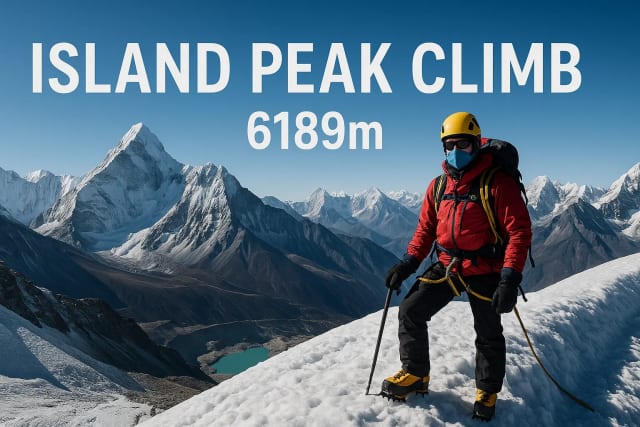
If you want more than the standard trek, there are ways to extend your Everest adventure. The Everest Three Passes Trek takes you over three high passes and offers a longer, more demanding route with incredible views away from the main trail. For those wanting an even bigger challenge, the Island Peak Climbing With EBC - 19 Days combines the classic base camp trek with a technical peak climb, giving experienced trekkers a taste of high altitude mountaineering.
10. Respect Local Culture and Environment
The Khumbu region is home to the Sherpa people, known for their deep connection to the mountains and Buddhist traditions. Simple gestures like greeting people with "Namaste," asking before taking photos, and dressing modestly near monasteries go a long way. Walk on the correct side of mani stones and prayer wheels, which is usually the left, as a sign of respect. Carry your trash back down with you and avoid single use plastic bottles by using water purification tools instead, helping keep the trail clean for future trekkers.
Frequently Asked Questions
How many days does the Everest Base Camp Trek take?
Most itineraries take between 12 and 16 days, including rest days for acclimatization.
Is the Everest Base Camp Trek hard for beginners?
It is graded challenging mainly due to altitude. Beginners with good fitness and proper acclimatization can complete it successfully.
Do I need a guide for this trek?
A guide is not legally required for foreign trekkers on this route, but it is recommended for safety, navigation, and support with altitude related issues.
What is the highest point of the trek?
Everest Base Camp itself, at 5,364 meters, is the main highlight, though some itineraries also include Kala Patthar at a higher elevation for sunrise views.
What is the best season to do this trek?
Spring and autumn offer the most stable weather and the clearest mountain views.
Can beginners attempt the Everest Three Passes Trek instead?
This route is more demanding than the standard trek and is better suited to trekkers with prior high altitude experience.